

Sugar Baby Blackmail: What to Do and How to Stay Safe
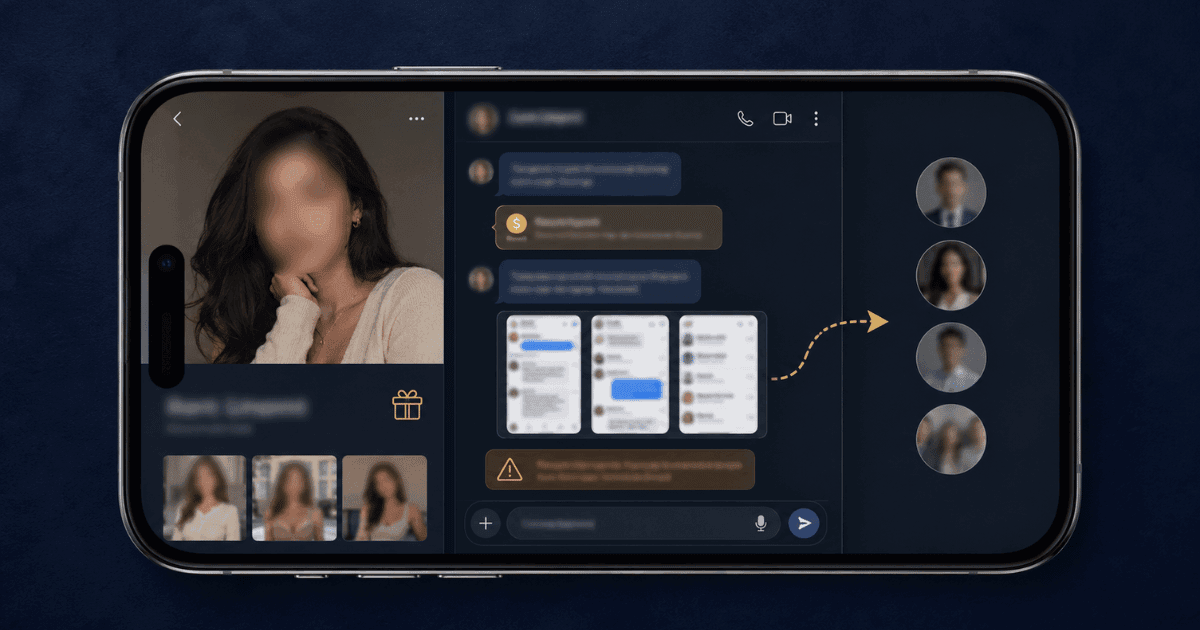
Sugar baby blackmail often starts the same way: if someone you met through a sugar arrangement is now threatening to expose you unless you pay, know two things right away. First, you are not the first person this has happened to, and the panic you feel is exactly what the other person is counting on. Second, there is a calm and practical way through this that does not involve giving in to demands. What started as a mutual arrangement can turn into extortion quickly, and it can feel deeply personal because real conversations and real trust were involved. This guide explains how these situations unfold, what to do first, and how to protect your accounts, your reputation, and your peace of mind.
How the Sugar Arrangement Turns Into Extortion
Not everyone in these arrangements has honest intentions, and some profiles are set up specifically to extract money later; this is exactly how most sugar baby blackmail cases begin. The pattern tends to follow a recognizable arc, whether the person is acting alone or as part of an organized group.
It usually begins with warmth and attention. The arrangement feels genuine, conversations are frequent, and there may be an exchange of photos or intimate video. Over time, the other person gathers material: screenshots of your chats, images you shared, your real name, where you work, and the names of people close to you. This information is the real currency they are after.
Then the tone changes. The person claims they will send your private photos or messages to your spouse, your family, or your employer unless you pay. The demand is often framed as urgent, with a short deadline meant to keep you from thinking clearly. In many cases the threats are pressure tactics rather than a plan they can fully carry out, but the fear feels absolute in the moment. This is one of several common sugar daddy scams, and the pattern rarely changes much from one case to the next.
Common red flags
- The arrangement moves to demands for larger, unplanned sums
- The person pushes hard for explicit photos or video early on
- They quietly ask questions about your job, marriage, or family
- Payment is demanded through gift cards, cryptocurrency, or wire transfer
- The tone flips from affectionate to threatening once they have material
None of this is your fault. Adults enter arrangements like these for many reasons, and being targeted by someone who planned to exploit you does not make you naive. The goal now is simply to respond well.
What to Do in the First Hour
Your earliest decisions have the biggest impact. Slow the situation down and protect information before doing anything else, because how you respond in these first minutes shapes everything that follows.
Stop Engaging, But Don't Delete Anything
Stop engaging with the demands. You do not owe an explanation or an apology, and ending the back and forth removes the attacker's ability to push you further with new threats or shifting deadlines. At the same time, do not delete the conversation, the profile, or the threats; this material is your record of what happened, and once it is gone, you cannot get it back. Take screenshots of the person's profile, usernames, the threatening messages, payment details, and any links, and store them somewhere private and backed up, separate from the device you use to communicate with the attacker.
Build a Timeline
Write down when you met, when photos were exchanged, and when the threats began. A clear sequence helps when you report, since investigators and platforms often need to understand how a situation escalated, not just what the current threat looks like. Even a rough timeline written from memory is better than nothing, and you can refine it later as more details come back to you.
Do Not Pay
Paying feels like the fastest way to make the fear stop, but it rarely ends the situation. Once someone sees that you will pay, you become a reliable source of money, and the demands usually continue or grow. Payment also confirms that you are reachable and that the pressure is working, which invites more of it. There are cases where a genuine risk exists and expert help is warranted, but handing over money on your own almost never resolves the threat; redirect that energy toward securing your accounts and reporting, which are the actions that actually weaken the attacker's position. The steps that reduce an attacker's leverage fastest are rarely complicated; they mostly come down to stopping blackmail before it has room to escalate.
Need Expert Help?
Our team has resolved thousands of cases. Get confidential support now.
Secure Your Accounts
Much of the threat depends on the attacker being able to reach the people they name. Closing those doors reduces what they can do.
Lock down your digital footprint
Change the passwords on your email, social media, and messaging accounts, and make each one unique. Turn on two factor authentication everywhere it is available, starting with your email. Set your social profiles to private, at least for now, and restrict who can view your friends, followers, and connections, and review your privacy settings on professional networks so a stranger cannot easily map your workplace and colleagues.
Reduce what a stranger can find
Search your own name and usernames to see what is publicly visible, and remove or lock down anything that connects your dating profile photos to your real identity. Be cautious about new friend or follower requests during this period, since attackers sometimes try to reach your contacts directly rather than going through you again.
If the arrangement involved a person posing as a sugar daddy rather than a sugar baby, the same protective steps apply. The same warning signs can also appear in cases of sugar daddy blackmail.
Report and Protect Your Reputation
Reporting creates an official record and helps investigators connect cases, since these schemes often involve many victims and repeated patterns. Report the profile and behavior to the platform where you met, and file a report with law enforcement in your country; in the United States, you can submit details to the FBI Internet Crime Complaint Center. If a specific messaging or social platform is being used to threaten you, report that account there too.
You do not need everything to be perfect before reporting. Share what you have, including your screenshots and timeline; a report with a few concrete details generally carries more weight than a long emotional account.
A common fear in these cases is that private material could reach family, friends, or an employer. Alongside reporting, it helps to think about your public presence. Monitoring for content that appears online, requesting removal of anything that gets posted, and keeping a record of where material shows up all reduce the long term impact. Acting early, before anything spreads widely, gives you the best position.
Get Professional Help
Some situations call for more than self-help steps. Consider reaching out to specialists if the attacker has already contacted people you know, if content has begun to circulate, if the threats will not stop, or if you feel overwhelmed and want experienced people managing the response with you.
A specialist team can help you preserve evidence properly, watch for content appearing online, request removal of posted material, and coordinate the right reporting steps. Specialist teams support people facing exactly these situations, with a focus on containment and protecting your reputation; this kind of support is not a substitute for legal advice, but it can guide the practical response and move quickly. If sugar baby blackmail is what you're facing right now, reach out and let an experienced team take some of the weight off.
The entire scheme runs on fear, urgency, and shame. When you stop engaging, preserve evidence, secure your accounts, and report, you take those tools away from the person threatening you. Try not to judge yourself for how you got here. What matters now is the steady set of steps in front of you. Handle the next one, ask for help when you need it, and give yourself credit for facing a hard situation with clear eyes.
About the Author
Altahonos Team
The Altahonos Team consists of cybersecurity and online reputation management specialists with extensive experience in digital threat mitigation and content removal strategies, helping individuals and businesses protect their digital presence.
Related Resources
Trusted by Thousands

Based on 488+ verified reviews