
Being Blackmailed on Azar: Steps to Take After a Recorded Call
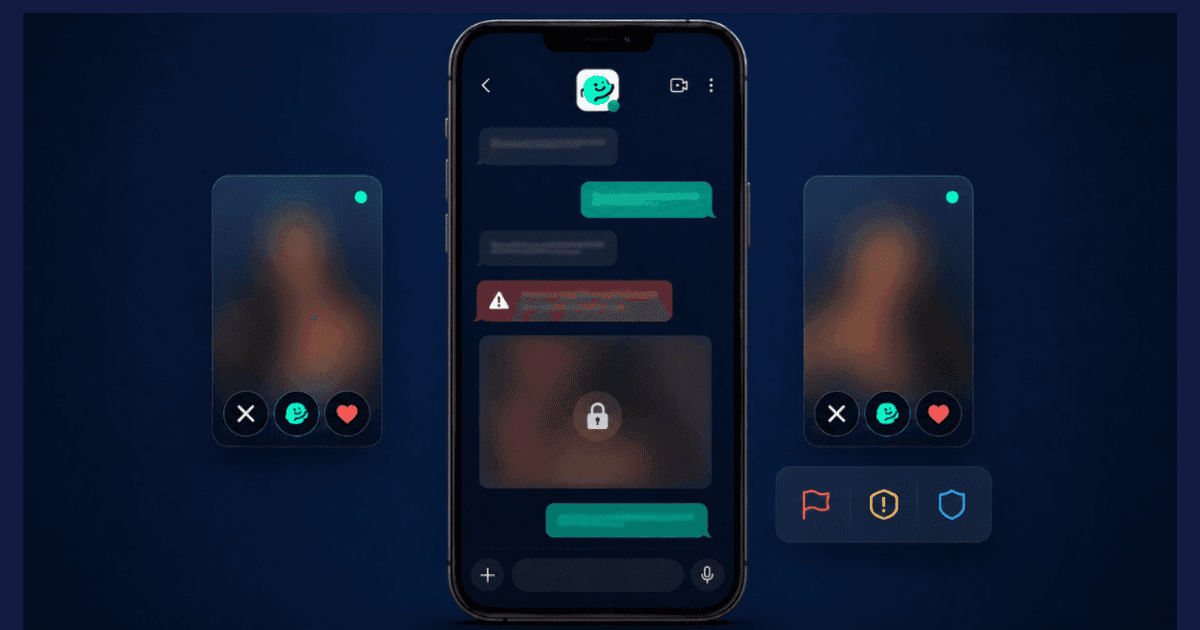
Being blackmailed on Azar can be particularly distressing because the threat may involve a recording of a live video call you did not know was being captured. Unlike sharing photos or videos directly, a spontaneous conversation can be recorded using third-party tools without your awareness. When someone threatens to distribute that footage, you may be unsure what they actually recorded, how they obtained your personal information, or whether they intend to contact people you know. In some cases, the person making the threat may not even possess the recording they claim to have. Understanding these possibilities can help you assess the situation without acting under pressure. This guide explains how Azar video chat blackmail happens, what to do when threats begin, and how to report unauthorized recordings, protect your privacy, and request content removal if footage has been shared.
How Azar Video Calls Can Lead to Blackmail
Azar connects strangers through live video chats, creating opportunities for spontaneous conversations. However, someone with malicious intentions may use screen recording tools, misleading video footage, or personal questions to obtain material for blackmail. Understanding how these tactics work can help you recognize suspicious behavior and assess potential risks. This pattern is a form of video call blackmail that can affect users on any app offering live video chat with strangers.
Live Calls Can Be Recorded Without Your Knowledge: Unlike sending a photo or video directly, a live conversation may not appear to create a permanent file. However, someone on the other end can use third-party tools to capture the call without your knowledge. The absence of a recording notification does not mean the conversation was not saved.
Random Matches Offer Limited Information About the Other Person: Azar connects users who may have no mutual contacts or shared history. This can make it difficult to verify someone's identity or locate their account after a threatening interaction.
Conversations Can Escalate Quickly: Video chats allow people to build familiarity within minutes. Someone attempting blackmail may use this immediacy to pressure you into revealing personal information, participating in intimate activities, or moving the conversation to another platform.
Pre-Recorded Footage May Be Used: In some cases, scammers may display pre-recorded footage instead of participating in a genuine live conversation. Delayed responses or reactions that do not match your questions can be warning signs, although they do not necessarily prove deception.
What Happens After an Azar Blackmail Threat?
After an Azar video call ends, someone attempting blackmail may contact you through another messaging platform and claim to have recorded the conversation. They might send a screenshot or short clip as evidence, mention your real name, or threaten to share the footage with people you know. These threats are a form of webcam blackmail, although receiving one does not necessarily mean the person has access to your accounts or possesses the recording they claim to have.
Personal information may come from details revealed during the call, such as a username, workplace, or city. Scammers can combine these clues with publicly available social media profiles to identify friends or followers without accessing private accounts. Reviewing your public profiles and limiting the visibility of personal information can help reduce further exposure.
The person may then demand money and impose a short deadline to pressure you into acting quickly. Payment requests can involve cryptocurrency or other transfer methods that may be difficult to reverse. These demands are intended to create urgency, but paying does not guarantee that the recording will be deleted or that further threats will stop.
What to Do in the First Hour
If someone threatens to share a recording of your Azar video call, focus on protecting your personal information, preserving evidence, and reporting the threats. Taking these steps in a clear order can help you avoid decisions made under pressure.
- Stop Responding: Avoid negotiating with the person threatening you or asking for additional details about the recording. Continuing the conversation may give them more opportunities to pressure you.
- Do Not Pay: Sending money does not guarantee that the recording will be deleted or that the threats will stop. The person may continue demanding payments even after receiving money.
- Protect Your Social Media Accounts: Make your accounts private where possible, restrict access to follower lists, and review publicly visible personal information. These measures can limit further exposure, although they cannot remove information someone has already collected.
- Preserve the Evidence: Save the Azar username or profile details, threatening messages, screenshots, timestamps, and any payment information. Keep original files whenever possible, as these records may support platform reports or official complaints.
- Report and Block the Account: Use Azar's reporting options to flag the threatening user. You can also report extortion to the relevant law enforcement authorities. Once you have preserved the available evidence, block the account to limit further contact.
If you are unsure how to proceed, understanding how to stop online blackmail can help you identify additional reporting and safety measures.
Need Expert Help?
Our team has resolved thousands of cases. Get confidential support now.
If a Recording Has Been Posted
If a recording of your Azar video call has been published without your consent, identifying where it appears and submitting removal requests are important first steps. Save the exact URL of each unauthorized upload, take screenshots showing the content and its location, and record any relevant account details. Report the material through the hosting platform's non-consensual intimate imagery reporting process, where available. If copies appear on multiple websites, submit separate reports to the relevant platforms.
You can also consider hash-based protection tools such as StopNCII.org, which can help detect and limit the redistribution of eligible intimate images or videos on participating platforms. The tool creates a digital fingerprint on your device without uploading the original file, but it requires access to the content and cannot prevent every reupload. If recordings continue to spread, professional content removal and monitoring services may help coordinate takedown requests and identify additional copies.
Support Alongside the Practical Steps
Being threatened with a recording of an Azar video call can be particularly distressing because the footage may have been captured without your knowledge or consent. Concerns about who might see the recording, whether it will be shared, and how the person obtained your information can add to the pressure. Speaking with someone you trust can provide emotional support and help you evaluate your next steps without facing the situation alone.
If the threats are affecting your daily life or emotional well-being, consider seeking professional support. RAINN provides confidential support services in the United States for people affected by sexual violence and exploitation. Regardless of whether a recording exists or has been shared, preserving evidence, protecting your privacy, and reporting the threats remain important steps.
Taking Action Now
If you're being blackmailed on Azar, focus on protecting your privacy and preserving evidence before taking further action. Stop responding to the person threatening you, avoid making payments, and save any messages, screenshots, or account details. Report the threatening account through Azar and consider contacting the appropriate law enforcement authorities. Even if you're unsure whether a recording exists, taking these precautions can help limit further exposure.
If your video call has already been recorded and shared without your consent, identifying unauthorized uploads and requesting their removal are important next steps. Professional support for Azar blackmail can help coordinate content removal requests, monitor for redistributed recordings, and address ongoing privacy concerns. Altahonos is not a law firm, and this article provides general information rather than legal advice.
About the Author
Altahonos Team
The Altahonos Team consists of cybersecurity and online reputation management specialists with extensive experience in digital threat mitigation and content removal strategies, helping individuals and businesses protect their digital presence.
Related Resources
Trusted by Thousands

Based on 587+ verified reviews