
Blackmailed on Skout: What to Do and What They Know
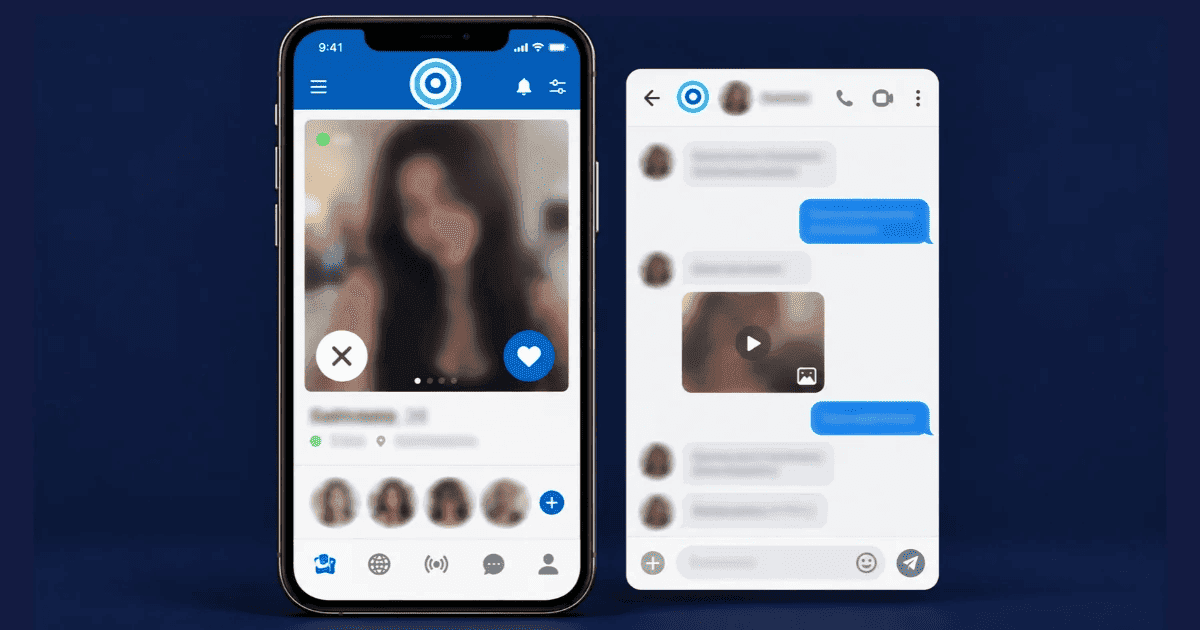
Being blackmailed on Skout can feel especially threatening when the person uses references to your location to make their demands seem more personal. Skout is a social discovery app that connects users with new people, including those nearby. A blackmailer may exploit this feature by mentioning your city or surrounding area, creating the impression that they know more about your whereabouts than they actually do. However, a reference to your location does not necessarily mean someone knows your home address or daily routine. Understanding this distinction is important when deciding how to respond. This guide explains how Skout blackmail develops, what evidence to preserve, how to report threats, and what to do if private images have been shared.
Why Location-Based Apps Change the Threat
On many social platforms, blackmailers threaten to contact a victim's friends or followers. On Skout, they may also reference the person's city or nearby area to make the threat feel more immediate. This can create the impression that the blackmailer knows where the victim lives, even when their information is limited.
Location-based discovery features can help users connect with people nearby, but they may also give strangers clues about someone's general location. In cases of Skout blackmail, this information may be used to make threats appear more credible. Knowing a city or approximate area does not necessarily mean someone has discovered a home address, workplace, or daily routine. Blackmailers may exaggerate what they know to increase pressure and encourage a quick response.
The possibility of meeting someone nearby can also make an unfamiliar profile seem more credible. A person who suggests meeting locally may use that apparent familiarity to build trust and move the conversation to a private messaging app. Once the conversation leaves Skout, reporting the account may no longer address threats or content shared through the other service.
Common Warning Signs of Skout Blackmail
Blackmail on Skout may begin with an ordinary conversation that quickly becomes unusually personal. The account can appear friendly and interested in meeting, making it difficult to recognise the warning signs before threats begin.
Suspicious Profiles and Requests to Move Off Skout
A suspicious profile may have few photographs, limited personal information, or details that are difficult to verify. Although these signs alone do not prove someone is a scammer, they may also appear in catfishing scams on dating apps, especially when the person quickly suggests moving to WhatsApp, Snapchat, or another messaging app. They may also send an intimate image first and pressure you to share one in return. Moving the conversation off Skout can make it harder to report the complete interaction through the original platform.
Sudden Threats After Sharing Private Content
Once a private image or video has been shared, the conversation may change abruptly. The person might demand money, impose a deadline, or threaten to send the material to your contacts. Some also mention your city or nearby area to make their threats seem more credible. These tactics are intended to create urgency, but references to your location or threatening screenshots do not necessarily prove that the material has already been distributed.
What to Do When Blackmailed on Skout
If someone threatens you on Skout, the priority is to preserve evidence, limit their access to your personal information, and report the account. Acting carefully matters more than responding to the deadline set by the blackmailer.
- Stop replying and avoid negotiating. Do not send money in exchange for promises to delete your images. Payment does not guarantee that the threats will stop and may lead to further demands.
- Review your location and privacy settings. Check Skout's location permissions and limit the personal details visible on your profile. Make your social media accounts private where possible, especially if your contacts have been threatened.
- Save evidence before blocking. Capture the Skout profile, threatening messages, usernames, timestamps, and payment requests. Preserve conversations from other messaging apps if the interaction moved off Skout.
- Report the account and block it. Use Skout's reporting options to describe the threats and select the most relevant violation. Once your evidence is saved, block the account to prevent further contact.
- Consider reporting to law enforcement. Provide the threatening messages, relevant account details, and payment information to the appropriate authorities.
For additional account safety advice, Get Safe Online offers guidance on online threats, scams, and protecting personal information.
Need Expert Help?
Our team has resolved thousands of cases. Get confidential support now.
If a Minor Is Involved
If someone under 18 is being blackmailed on Skout, or the threatened images involve a person who was under 18 when they were taken, the situation requires additional safeguarding measures. Even if the conversation began on a dating or social discovery app, threats involving a minor's intimate images should be reported to the appropriate child protection authorities rather than handled through the platform alone.
The National Center for Missing & Exploited Children's CyberTipline accepts reports of online child sexual exploitation, including from outside the United States. Its separate Take It Down service can help limit the spread of intimate images taken before someone turned 18 by creating digital fingerprints that participating platforms can use to detect matching content. Images do not need to be uploaded to use this service.
Parents or guardians who discover these threats should preserve the account details and threatening messages without downloading or forwarding explicit images of minors. Avoid confronting the blackmailer, and provide reassurance rather than punishment. Understanding how to protect your child from sextortion can help you support a young person while taking appropriate steps to respond to the threats.
If an Image Has Been Posted
If a private image or video has already been shared, removing the content and reporting the account should be handled together. Start by documenting the exact URL, the platform where the material appears, and any available information about the account that posted it. Save relevant screenshots and report the content through the platform's non-consensual intimate imagery reporting options, where available. Include a brief explanation that the material was shared without your consent.
If the material appears on multiple websites or social media accounts, each accessible copy may require a separate removal request. Keep a record of the URLs you have reported, the dates of your submissions, and any responses you receive. Removing the original post does not guarantee that copies uploaded elsewhere will disappear. Checking for further distribution and following up on unresolved reports can help you identify which content remains accessible.
Protecting Your Privacy After Skout Blackmail
After dealing with a blackmail threat, review the information visible on your Skout profile and connected social media accounts. Limit location access when it is not needed, and avoid displaying details such as your workplace, neighbourhood, or other social media usernames. These details can help strangers make threats appear more personal, even when they do not know your exact location. Reviewing your privacy settings regularly can reduce unnecessary exposure.
If you have already sent money, contact your bank or payment provider, explain that the payment was made under extortion, and ask whether any recovery options are available. Keep transaction records alongside the threatening messages, even if the blackmailer has stopped contacting you. Knowing how to avoid dating app scams can help you recognise common tactics used before private images or payments are requested.
Take Action Against Skout Blackmail
If you are wondering how to stop Skout blackmail, remember that references to your location do not necessarily mean the person knows your exact address. Preserve the threatening messages, review your privacy settings, and report the account before blocking it. Avoid sending money or further private content, as complying with demands does not guarantee that the threats will end. If images have already been shared, begin reporting the content without waiting for the blackmailer to respond.
If the threats continue or you are concerned about your images being distributed, professional support can help you get rid of blackmail by addressing content removal, potential reuploads, and related privacy concerns. Each case is different, and removal outcomes depend on the platforms involved. Altahonos is not a law firm, and this information does not constitute legal advice.
About the Author
Altahonos Team
The Altahonos Team consists of cybersecurity and online reputation management specialists with extensive experience in digital threat mitigation and content removal strategies, helping individuals and businesses protect their digital presence.
Related Resources
Trusted by Thousands

Based on 644+ verified reviews