
Can Online Blackmail Be Traced? How Blackmailers Get Identified
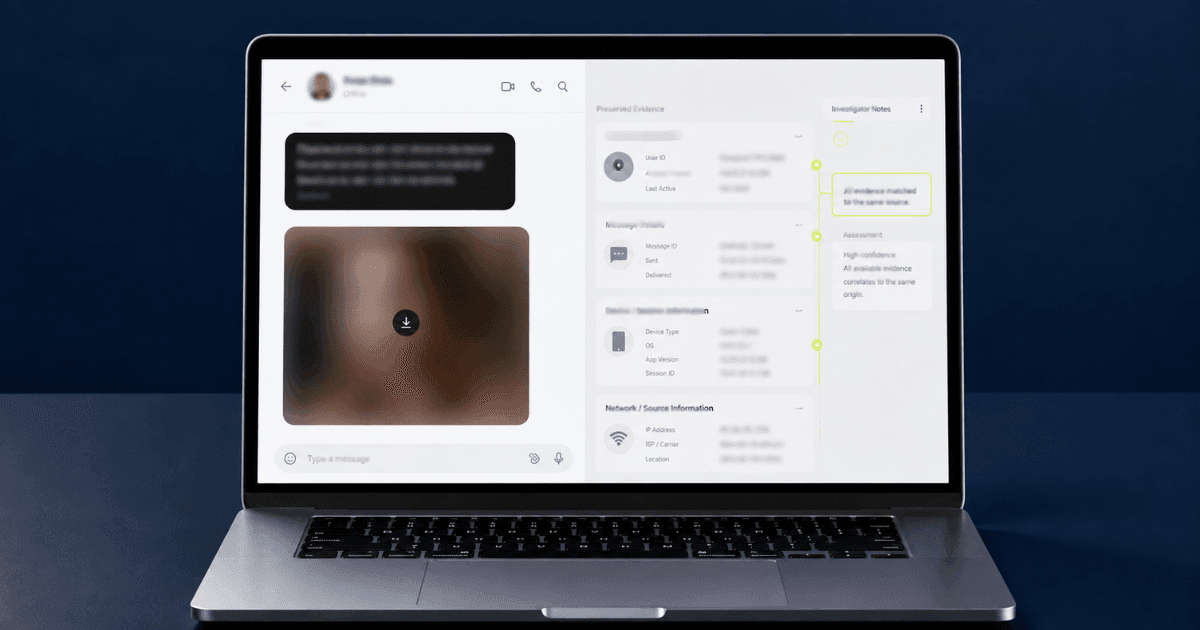
One of the most common questions people ask during an online blackmail situation is whether the person behind it can ever be identified. It is a natural thing to wonder, especially in the panic of the first few hours, when the attacker feels like a faceless, untouchable voice on the other end of a screen, someone who could be anyone, anywhere, with no name and no face attached to the threat. Blackmailers often hide behind fake names, throwaway accounts, and anonymous payment methods, and they work hard to seem untouchable, counting on that sense of facelessness to keep you from ever considering that they could be found. The honest answer is that online blackmail can often be traced, though rarely as instantly as television makes it look. Tracing is a patient process that combines digital clues, platform cooperation, and, when appropriate, law enforcement, and it rarely happens in a single dramatic moment the way it does on screen. Understanding how it works helps you see why staying calm and preserving evidence matters so much, even when the outcome isn't visible right away.
How Blackmailers Actually Get Identified
Anonymity online is thinner than most people assume. Every message, profile, and payment leaves some kind of trace. Investigators and platforms piece these fragments together over time.
Usernames and open-source clues
Blackmailers are people, and people are creatures of habit. They often reuse the same username, profile photo, phone number, or wording across multiple platforms. Open-source intelligence, sometimes called OSINT, is the practice of connecting these public breadcrumbs. A reused handle can link an anonymous account to an older, less careful profile, and a profile photo may be a stolen image that appears elsewhere and reveals a pattern of similar scams. Even phrasing, spelling quirks, and time zones can point to a location or a known group.
IP addresses and metadata
Behind the scenes, online activity is tagged with technical details. An IP address can suggest a general location or internet provider. Files, images, and links can carry metadata such as timestamps or device information. On its own this data is limited, and determined offenders use tools to mask it, but combined with other evidence it becomes a meaningful thread.
Cryptocurrency tracing
Many blackmailers demand payment in cryptocurrency because they believe it is untraceable. In reality, most public blockchains record every transaction permanently and openly. Specialists can follow the movement of funds across wallets, and money often ends up at an exchange where identity checks apply. That handoff point is frequently where anonymity breaks down. The more a blackmailer moves funds, the more of a trail they create, which is the opposite of what they intend.
Platform cooperation and law enforcement
Social networks, messaging apps, and payment services hold records that the public cannot see, such as the details tied to an account. They generally will not hand these over to a private individual, but they respond to properly authorized requests. Through official channels, law enforcement can use subpoenas and formal legal processes to obtain account records, connect logins to real identities, and coordinate across borders when needed. This is the part of tracing that only official investigators can perform, which is exactly why reporting blackmail through the proper channel matters more than trying to handle it alone.
What You Can and Cannot Do Yourself
It is important to be realistic about your own role, both so you stay safe and so you do not accidentally damage a future investigation; the instinct to take matters into your own hands is understandable, but it often works against you.
What you can do
You can safely observe and record: note usernames, profile links, phone numbers, wallet addresses, and the wording of threats. Doing light, safe research, searching a username or a profile image in public search engines, is reasonable and can reveal whether others have reported the same account. Keeping everything organized in a clear timeline of contacts and demands is genuinely useful to investigators later.
What you should not do
Do not confront or threaten the blackmailer; trying to scare them or bargain rarely helps and can escalate the situation. Do not attempt to hack, track, or unmask them yourself, since beyond being risky, actions like these can compromise the very evidence professionals would rely on and may cross legal lines. And do not pay in hopes of buying time, since payment funds the operation and marks you as responsive rather than making the threat go away.
The core principle is simple. Your job is to preserve, not to pursue. Knowing how to catch a blackmailer is ultimately a job for investigators with legal authority, not for the victim gathering evidence alone.
Evidence to Preserve
Good evidence is the foundation of any successful trace. Before you block anyone, capture the following calmly and completely; the more complete the record, the more useful it becomes to anyone who later works the case, and evidence gathered in the heat of the moment is almost always more accurate than evidence reconstructed from memory days later.
Screenshot every message, including the full conversation rather than just the threat itself, along with profile details such as usernames, display names, profile URLs, and profile photos. Save any payment information, including cryptocurrency wallet addresses, account names, or payment app handles, and note contact details like phone numbers or email addresses the person used. Record the dates and times of each interaction, since these help establish a timeline, and write down any links they sent as text rather than clicking them, since clicking an unfamiliar link can expose your device or confirm to the sender that you are engaging.
Store copies in more than one place, such as your device and a cloud account or an email to yourself, so a single lost or wiped device does not cost you the entire record. This record is what allows a platform report or a police report to move forward, and organized documentation like this is exactly what reporting cyber crime effectively depends on.
Need Expert Help?
Our team has resolved thousands of cases. Get confidential support now.
When to Involve Professionals and Police
Tracing an online blackmailer is usually a team effort, and you do not have to shoulder it alone. Report to law enforcement first; in the United States, the FBI Internet Crime Complaint Center accepts reports at ic3.gov, and local police can be involved as well. Reporting matters even if your case feels small, because it helps connect patterns across many victims, and a case that looks isolated from where you sit may turn out to be one piece of a much larger investigation. Filing early also means your report is on record before the situation potentially escalates, which can matter if the threats continue or the attacker becomes more aggressive.
Report to the platform too, since the service where contact happened can suspend accounts and preserve records tied to the offender that you have no way of accessing yourself; platforms often see patterns across many reports that a single victim never could. Beyond these official channels, getting experienced support matters just as much; specialists who handle these situations every day can help you assess the threat, organize your evidence, and coordinate the right next steps, often catching details that someone going through this for the first time would not think to preserve. If you are unsure where to begin, cyber blackmail help is a good starting point.
Frequently Asked Questions
Can an anonymous blackmailer actually be identified?
Sometimes. Identification normally comes from platforms responding to law enforcement requests, from payment trails, or from mistakes the person makes. It rarely comes from anything a victim can do alone.Should I try to trace them myself?
No. Attempts usually fail, can expose you further, and in some jurisdictions raise their own legal problems. Preserve evidence and let investigators follow it.Do cryptocurrency payments help identification?
They can. Blockchain transactions are permanent and traceable, and exchanges hold identity records, so a payment address is useful evidence even when the person seems anonymous.What evidence helps tracing the most?
Account handles and URLs, payment addresses, phone numbers, timestamps, and the full conversation. Originals rather than crops, because metadata sometimes matters.Does content removal depend on identifying them?
No, and that is the practical point. Platform removal runs on policy regardless of who posted, so removal does not wait for any investigation.The Honest Takeaway
So, can online blackmail be traced? Often, yes, but tracing is a deliberate process that depends on evidence, cooperation, and the authority to access records that individuals cannot reach on their own. Anonymity gives blackmailers confidence, yet the trail they leave through usernames, metadata, cryptocurrency movements, and platform records is more visible than they would like you to believe. The confidence they project is often a bluff built on assuming victims will panic rather than think clearly.
Your most powerful contribution is not to chase the person yourself. It is to stay calm, preserve everything carefully, and connect with the professionals and authorities who can follow the trail properly. That patience is not passivity; it is what actually gives an investigation something real to work with, rather than a story with no evidence behind it. Every piece of evidence you calmly preserve today is something an investigator can act on tomorrow, even if the trail isn't obvious to you in the moment. With the right evidence in hand, you can stop blackmail and turn a frightening, anonymous threat into something concrete that can be investigated, putting the situation back on a path you can manage.
About the Author
Altahonos Team
The Altahonos Team consists of cybersecurity and online reputation management specialists with extensive experience in digital threat mitigation and content removal strategies, helping individuals and businesses protect their digital presence.
Related Resources
Trusted by Thousands

Based on 569+ verified reviews