
How to Stop Online Harassment: A Practical Guide
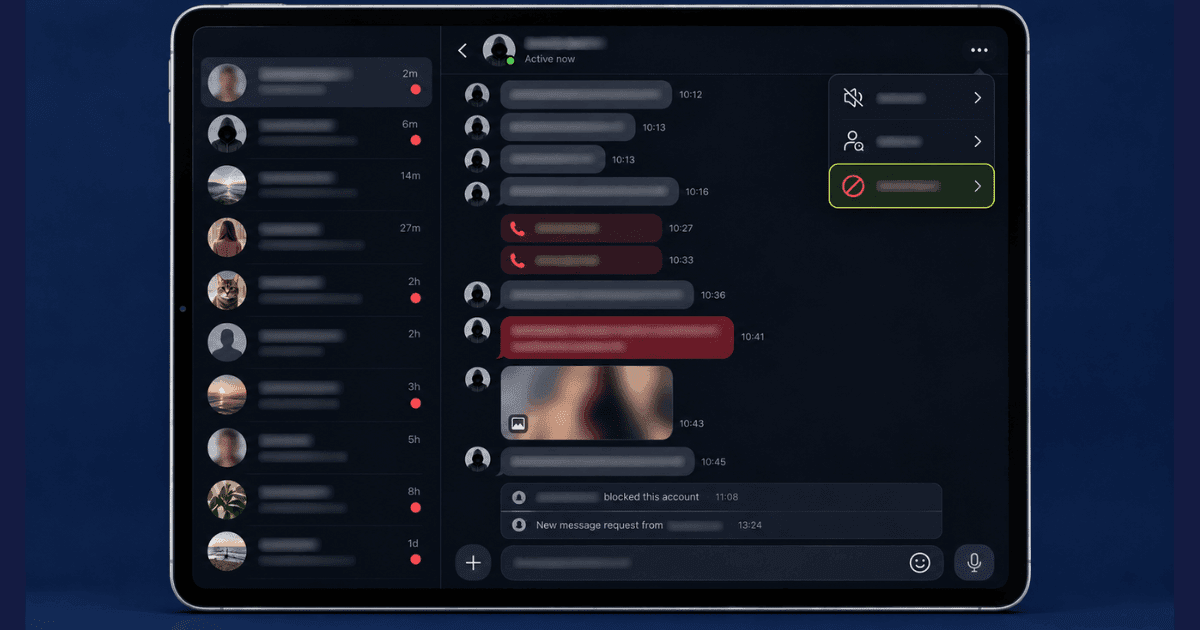
Most advice on how to stop online harassment begins and ends with "block and ignore." That may work for a single unwanted interaction, but it is often insufficient when someone repeatedly creates new accounts, involves other people, or continues targeting you across platforms. Blocking too early can also make it harder to preserve messages and account details needed for reporting. Persistent online harassment requires a more structured approach: limit the harasser's access, document repeated incidents, secure your accounts, and report the behavior through the appropriate channels. If harassment involves threats, impersonation, or published content, additional steps may be necessary. This guide explains how to recognize different harassment patterns, preserve evidence, reduce unwanted contact, and take action when the behavior continues.
Identify the Type of Online Harassment
The most effective response depends on how the harassment occurs. Identifying the pattern early can help you choose appropriate reporting methods, preserve relevant evidence, and avoid unnecessary engagement.
Persistent Harassment From One Person
Someone may repeatedly contact you through new accounts after being blocked. Keep a record of each account and incident, as repeated contact can help establish a pattern of harassment. If the behavior involves persistent monitoring, unwanted contact, or stalking, professional help to stop cyberstalking may help you assess additional protective steps.
Coordinated Online Harassment
Multiple accounts may target you at once, sometimes after your profile or content has been shared in a hostile community. Focus on limiting access, restricting interactions, and documenting the activity rather than responding to individuals.
Harassment by Someone You Know
Harassment involving a former partner, acquaintance, or another person you know offline may extend beyond digital platforms. Consider your personal safety and seek additional support if the behavior includes threats or offline incidents.
Harassment Through Published Content
Fake profiles, harmful posts, or websites created using your identity may require content removal requests alongside harassment reports. In these situations, removing the published material becomes an important part of addressing the harassment.
Reduce What Harassers Can Access
Most social media platforms offer privacy settings that help limit unwanted contact without requiring you to close your account. Restrict who can message you, limit comments on older posts, and review who can see your followers or personal information. Disable location tagging and check older posts that may reveal where you live, work, or spend time. If someone is using information from your previous posts to target you, learning how to clean your digital footprint can help reduce the personal details available to them.
Blocking can prevent further direct contact, but preserve relevant messages, usernames, and screenshots first whenever it is safe to do so. Depending on the platform, blocking may make previous conversations harder to access. You do not need to respond to establish that harassment is unwanted. If you choose to tell someone to stop contacting you, avoid prolonged exchanges, particularly when threats or stalking are involved.
Document Online Harassment Before Reporting
Keeping an accurate record of online harassment can strengthen your reports and help establish a pattern of repeated behavior. One common mistake is waiting until the harassment escalates before collecting evidence, which may leave important messages or account details unavailable.
Maintain a chronological log that includes the date, time, platform, account username, and details of each incident. Take screenshots showing the account handle and timestamp whenever possible, and save original files rather than cropped versions to preserve potentially useful information.
Include any related offline incidents, such as unexpected deliveries, anonymous calls, or someone appearing at locations you regularly visit. Recording these events alongside online activity can help demonstrate connections that might otherwise be overlooked.
Store your evidence in a secure location that the harasser cannot access, preferably using an account with a strong password and two-factor authentication. If the harassment involves threats or stalking, avoid investigating the person's identity yourself. Preserve the available information and leave further identification to the appropriate authorities.
Report Online Harassment in the Right Category
Report Harassment to Social Media Platforms
Social media platforms provide different reporting categories for harassment, threats, impersonation, and non-consensual intimate imagery. Choose the category that most accurately describes the behavior and include supporting evidence where possible. Reporting procedures and review times vary by platform, so selecting a specific category does not guarantee faster action.
When reporting repeated harassment, explain that the behavior is ongoing and identify any accounts involved. If the person continues creating new accounts after being blocked, report each account and reference previous complaints where the platform allows it. This helps document the pattern rather than treating every incident as unrelated.
Report Harassment to Law Enforcement
If the harassment involves threats, stalking, or other potentially criminal behavior, contact the appropriate law enforcement agency. Provide your evidence in chronological order and request a report or reference number where available. Knowing how to report cyber crime can help you organise the information needed for a formal complaint. If authorities cannot proceed with your report, ask what other reporting options may be available.
The Electronic Frontier Foundation also provides digital self-defense resources that can help you protect your information and accounts.
Legal Notice: This information is for general guidance and does not constitute legal advice. Altahonos is not a law firm. Reporting procedures and legal options vary by jurisdiction.
Need Expert Help?
Our team has resolved thousands of cases. Get confidential support now.
Tell the People Around You
Online harassment campaigns sometimes target friends, family members, or colleagues to increase pressure. Informing a few trusted people about the situation can reduce the harasser's influence and help you identify activity that may not be visible from your own accounts.
Be specific about what you need from them. Ask them not to engage with the harasser, share information about your location, or respond to requests for personal details. Encourage them to let you know if someone contacts them about you and to preserve any relevant messages or screenshots.
For harassment involving young people, StopBullying.gov provides resources for parents, schools, and individuals dealing with bullying and online harassment.
When Harassment Leads to Published Content
When online harassment involves harmful posts, comments, fake profiles, or websites created in your name, blocking and reporting individual accounts may not be enough. Removing the published material becomes a separate priority, particularly when content has spread across multiple platforms or appears in search engine results. Start by recording each URL and taking dated screenshots before submitting removal requests.
Report the content directly to the hosting platform or website using the most relevant policy category. If the material has been indexed by search engines, you may also need to request its removal from search results. When harmful content continues to spread or reappears after removal, coordinating takedown requests and monitoring for reuploads can become difficult. Professional help with content removal can make it easier to coordinate reports across multiple platforms and monitor for new copies.
Frequently Asked Questions
When does harassment become a criminal matter?
Generally once there are threats of violence, a sustained campaign that continues after you have made contact unwelcome, or impersonation and intimate imagery. The exact line varies by jurisdiction, which is why a documented record matters more than your own classification.Should I respond once to make clear it is unwelcome?
A single clear statement can be useful for the record in some situations, but it is also engagement, and in a sustained campaign it usually feeds it. If you do it, do it once and keep a copy.Does blocking make it worse?
It can produce a short burst through new accounts, and it also ends the direct channel. The burst is usually brief, and each new account is itself reportable.What if it is a coordinated group rather than one person?
Report the pattern rather than each account separately, and say explicitly in the report that it is coordinated. Platforms have different processes for brigading, and that framing is what reaches them.Can I get a court order over online harassment?
Protective orders covering online conduct exist in many places, and a documented log of dates, handles and content is what makes an application viable. That record is worth keeping from the start, before you know whether you will need it.Take Action to Stop Online Harassment
Knowing how to stop online harassment starts with limiting the harasser's access, documenting repeated incidents, and reporting the behavior through the appropriate channels. Preserve relevant evidence before blocking whenever it is safe, strengthen your privacy settings, and inform trusted people who can help identify further harassment.
If harmful content has already been published, begin removal requests alongside your platform reports rather than waiting for one process to finish. Persistent harassment may require ongoing documentation and additional support, particularly when threats or offline incidents are involved. If you need help addressing published content, Altahonos offers online harassment removal services to help coordinate removal requests and manage content that continues to appear online.
About the Author
Altahonos Team
The Altahonos Team consists of cybersecurity and online reputation management specialists with extensive experience in digital threat mitigation and content removal strategies, helping individuals and businesses protect their digital presence.
Related Resources
Trusted by Thousands

Based on 587+ verified reviews