
Massage Parlor Blackmail: What Victims Should Do
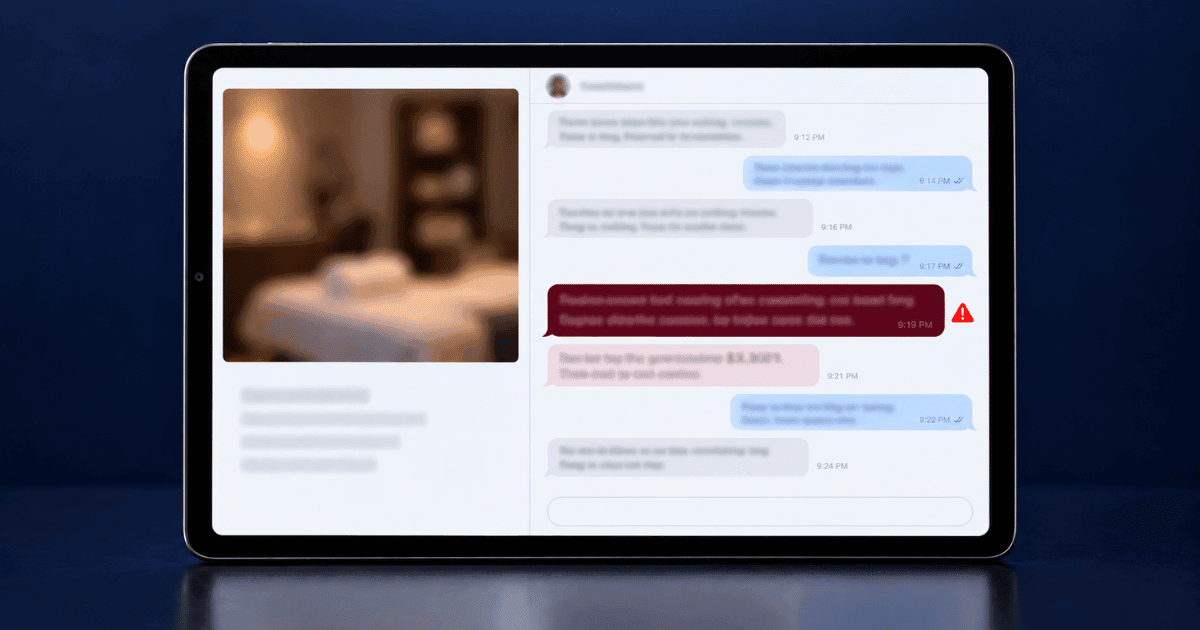
Massage parlor blackmail often involves threats to expose a private visit to a partner, employer, or other people in your life. Someone may claim to have CCTV footage, booking details, or other information and demand money to keep the visit confidential. These claims can be difficult to assess, especially when the sender provides specific details or imposes a short payment deadline. However, knowing about a visit does not necessarily mean the person possesses compromising footage or has access to your personal accounts. If you're experiencing massage parlor blackmail, understanding what the sender actually knows can help you respond without acting under pressure. This guide explains how these threats develop, why paying may lead to further demands, what evidence to preserve, and how to report blackmail or request content removal if private information has been published.
How Massage Parlor Blackmail Threats Begin
Massage parlor blackmail can take different forms depending on what the sender knows about your visit and how they contact you. Some threats involve specific booking details, while others rely on claims about surveillance footage or personal exposure. Recognizing these tactics can help you assess the information being used against you.
- Contact After the Visit: Someone claiming to work at the business or to have witnessed your visit may contact you and mention a specific date or location. These details could come from booking information, payment records, or other sources, but their accuracy does not prove the sender has access to compromising material.
- Claims About CCTV Footage: The sender may claim to possess security camera recordings or attach a blurred screenshot as supposed evidence. However, an image alone may not establish that genuine footage exists or that it shows you. Avoid assuming the claim is true without reliable evidence.
- Fake Law Enforcement Threats: Someone may impersonate a police officer or investigator and demand money to prevent an alleged investigation or legal action. Requests for personal payments in exchange for dropping a case are warning signs of fraud or extortion. Verify any official claims through independently obtained contact information.
- Threats of Public Exposure: The person may threaten to contact your partner, employer, or family members or publish details about the visit online. These threats exploit concerns about privacy and reputation, regardless of whether the sender possesses actual recordings.
These approaches often combine private information, urgent deadlines, and payment demands to pressure someone into acting quickly. Similar tactics can also appear in escort extortion cases, where threats of exposure or false accusations are used to demand money. Understanding that a threat does not necessarily establish what evidence the sender possesses can help you evaluate the situation more carefully.
Why Paying a Blackmailer Can Make Things Worse
Paying someone who threatens to expose a massage parlor visit does not guarantee that the demands will stop or that any private material will be deleted. Once payment is made, the sender may continue asking for money or increase the pressure with additional threats. Even if they promise to keep the visit confidential, there is no reliable way to ensure they will honor that agreement.
Some threats may also be based on limited information rather than actual recordings or compromising evidence. The sender might know about a booking or visit without possessing CCTV footage, photographs, or other private material. Responding to payment demands can reveal that the threat has reached you and potentially encourage further contact. The Cyber Civil Rights Initiative provides resources for people facing threats involving intimate images and other forms of image-based abuse.
What to Do First
If someone threatens to expose your massage parlor visit, focus on preserving evidence, protecting your privacy, and avoiding decisions made under pressure. Taking these steps in a clear order can help you respond without giving the sender additional opportunities to intimidate you.
- Stop Responding: Avoid confirming or denying details about the visit, negotiating with the sender, or asking for additional evidence. Continuing the conversation may give them more opportunities to pressure you or gather personal information.
- Preserve Evidence Before Blocking: Save the full conversation with timestamps, the sender's phone number or profile, any images or files attached, and payment details or cryptocurrency wallet addresses. Keep original files whenever possible, as these records may support a formal complaint.
- Do Not Pay: Avoid sending money through bank transfers, cryptocurrency, gift cards, or other payment methods. Payment does not guarantee confidentiality or prevent further demands. If you have already paid, preserve the transaction records and contact your bank or payment provider to discuss available options.
- Talk to Someone You Trust: Sharing the situation with a trusted friend, family member, or professional can provide emotional support and help you evaluate your options. You do not have to manage the pressure or make important decisions alone.
- Report the Threats: Report the sender through the platform where the messages arrived and consider contacting the relevant law enforcement authorities. Provide the threatening messages, account details, and payment information when making a report. Understanding how to stop online blackmail can also help you identify additional reporting and safety measures.
Need Expert Help?
Our team has resolved thousands of cases. Get confidential support now.
If It Is Connected to Organised Activity
Some massage parlor blackmail attempts may involve groups rather than individuals, including people operating across different countries. They may use booking details, payment information, or other personal data to contact multiple targets. However, receiving a coordinated-looking threat does not necessarily mean an organised criminal group is involved. Reporting the incident can help investigators identify potential connections between similar complaints.
If you believe the sender is operating from another country, you can still report the threats to your local law enforcement authorities. According to INTERPOL's official guidance, international crimes should first be reported to local police, who can request cross-border cooperation when necessary. Keeping the messages, account details, and payment information organised can support the investigation. Professional assistance with reporting blackmail may also help you prepare a clear and documented complaint.
If Something Has Already Been Posted
If private images, videos, or details about your massage parlor visit have been published without your consent, begin documenting the material and requesting its removal. Save the exact URL of each post, take screenshots showing the content and publication details, and record where additional copies appear. Report the material through the hosting platform's most relevant reporting category. For intimate images shared without consent, use the dedicated non-consensual intimate imagery reporting process where available.
Removing content from one website does not necessarily eliminate copies hosted elsewhere or immediately update search engine results. If the material appears across multiple platforms, submit separate removal requests and monitor for further uploads. Professional services can assist with unauthorized content removal by coordinating takedown requests across different websites and monitoring for new copies. Where appropriate, search engine removal requests may also be necessary to reduce the visibility of content that remains indexed.
Taking Action Now
Massage parlor blackmail often relies on threats of exposure, urgent payment demands, and uncertainty about what information the sender actually possesses. If you receive these threats, avoid responding or sending money, preserve the messages and payment details, and report the incident through the relevant platform or law enforcement authorities. Even when someone claims to have CCTV footage or personal information, the existence of that material should not be assumed without evidence.
If details of your visit or private recordings have already been published, identifying unauthorized uploads and requesting their removal are important next steps. Altahonos can help coordinate content removal requests and monitor for further exposure. To explore your options and take action, get professional blackmail support. Altahonos is not a law firm, and this article provides general information rather than legal advice.
About the Author
Altahonos Team
The Altahonos Team consists of cybersecurity and online reputation management specialists with extensive experience in digital threat mitigation and content removal strategies, helping individuals and businesses protect their digital presence.
Related Resources
Trusted by Thousands

Based on 587+ verified reviews