

Someone is Threatening to Leak My Nudes: Emergency Response Guide
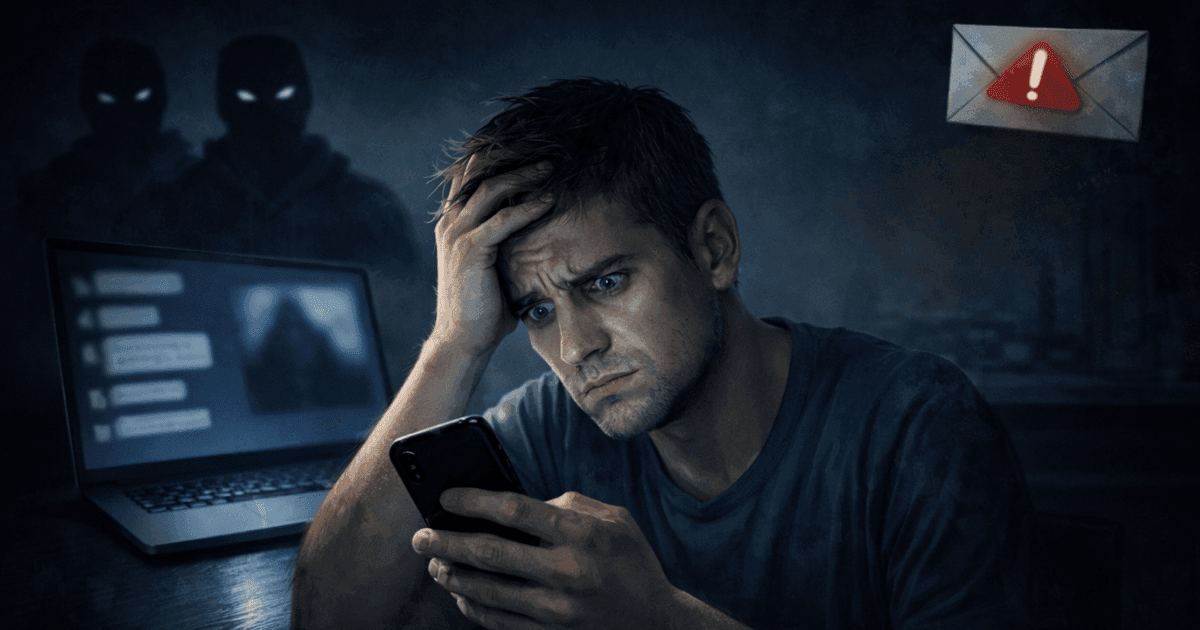
"Someone is threatening to leak my nudes"—these words trigger immediate panic and fear. If you're facing this right now, know this: you're not alone, this is a serious crime, and there are immediate steps you can take to stop the threat. This guide covers urgent actions, legal protections, and how to regain control of the situation.
Understanding the Threat You're Facing
When someone threatens to leak your intimate photos or videos, they're committing a serious crime called sextortion. This blackmail is illegal, and law enforcement agencies prioritize and respond quickly to these threats.
Why They're Threatening You?
Understanding perpetrator motivations helps you respond effectively:
- Money: The most common motivation. Criminals want immediate payment via cryptocurrency, gift cards, or wire transfers
- More content: Some demand additional explicit photos or videos
- Control and power: Former partners may seek emotional manipulation or revenge
- Sexual exploitation: Predators may demand in-person meetings or ongoing sexual contact
Regardless of motivation, the threat itself is a crime, and you have legal rights and protections.
Immediate Actions: What to Do Right Now?
If someone is threatening to leak your nudes, take these steps immediately within the first hour if possible.
Step 1: Stop All Communication
Do Not:
- Respond to any messages, no matter how threatening
- Try to negotiate or reason with them
- Send money or additional content
Any response confirms you're an active, vulnerable target and encourages continued threats. Silence creates uncertainty for the perpetrator and often leads to them abandoning the attempt.
Step 2: Preserve All Evidence (Next 15 Minutes)
Before blocking or reporting, document everything:
Screenshot:
- All threatening messages with timestamps visible
- Perpetrator's profile information and usernames
- Evidence they possess your images
Record:
- How you met this person
- Timeline of contact
- What images/videos they claim to have
- Who they're threatening to send content to
Step 3: Report to Platforms
Report the perpetrator immediately on every platform where contact occurred:- Use in-app reporting features
- Select "Harassment/Bullying" then "Threats"
- Mention specific threat of intimate image distribution
- Request immediate account suspension
Platform responses typically occur within 24-48 hours and often result in account suspensions that eliminate the perpetrator's ability to contact you.
Step 4: Secure Your Digital Presence (Within 2 Hours)
Take immediate protective actions:
Account Security:
- Change passwords
- Enable two-factor authentication
- Review logged-in devices and remove unknown ones
Privacy Settings:
- Set all social media to private
- Remove phone number and email from public view
- Restrict who can contact you
- Remove location information from profiles
Legal Actions: Understanding Your Rights
When someone is threatening to leak your nudes, you have strong legal protections and multiple avenues for justice.
Federal Criminal Laws
Several federal laws apply to intimate image threats:
18 U.S.C. § 875(d) - Interstate Communications: Threatening to injure someone's reputation via electronic communications is a federal crime punishable by up to 2 years imprisonment.
18 U.S.C. § 2261A - Cyberstalking: Using electronic communications to harass, intimidate, or cause emotional distress, including distribution threats, carries penalties up to 5 years imprisonment.
18 U.S.C. § 1030 - Computer Fraud: If images were obtained through hacking, additional federal charges apply with sentences up to 10 years.
How to Report to Law Enforcement?
Local Police Department:
- Visit in person if possible (reports filed in person receive faster attention)
- Bring printed evidence (screenshots, timelines, documentation)
- Request a case number for tracking
- Ask about specialized cybercrime or sex crimes units
- Inquire about victim services and resources
FBI Internet Crime Complaint Center (IC3):
- Visit IC3.gov and click "File a Complaint"
- Complete detailed information about the threat
- Upload supporting documentation
- Receive complaint number for reference
- Follow up if contacted by investigators
National Center for Missing & Exploited Children (NCMEC):
If you're under 18 or the content involves minors, immediately report to NCMEC's CyberTipline. This organization specializes in child protection and coordinates with federal law enforcement.
Working with Law Enforcement
What Happens After You Report:
- Initial assessment and case assignment (24-48 hours)
- Evidence collection and digital forensics
- Perpetrator identification and location
- Coordination with platform legal teams
- Potential arrest and prosecution
Your Cooperation Matters:
- Respond promptly to investigator requests
- Provide additional evidence as it emerges
- Maintain detailed records of any new contact
- Testify if case goes to trial (rare—most plea bargain)
The Electronic Frontier Foundation provides resources on digital rights and privacy protections during law enforcement cooperation, helping you understand how to balance investigation needs with personal privacy.
Responding to Specific Threat Scenarios
Different situations require tailored response strategies.
When They Demand Money?
If someone is threatening to leak your nudes unless you pay:
Do Not Pay Because:
- Payment proves you're a profitable target
- Demands typically escalate after initial payment
- No guarantee they'll delete content
- Payment makes you statistically more likely to face repeat extortion
Instead:
- Report to FBI IC3 immediately (financial extortion is federal priority)
- Document exact payment demands and methods
- Report to platform for account suspension
- Maintain complete silence with perpetrator
If You Already Paid:
- Report to law enforcement immediately anyway
- Document all payment transactions
- Contact your bank/payment provider about fraud claims
- Understand you're legally a victim regardless of payment
When It's a Former Partner
Relationship-based threats require additional strategies:
Legal Options:
- Restraining order/protective order (emergency orders available same-day)
- Criminal charges under stalking and harassment laws
- Civil lawsuit for emotional distress and privacy violations
- Copyright claims (you own copyright to your own images)
Practical Steps:
- Document all contact attempts
- Inform mutual friends about the situation (control narrative)
- Change routines if you share physical spaces
- Consider alerting workplace/school security if threats escalate
For persistent threats from known individuals, adult content removal services can help manage distribution if threats are carried out.
When Content Has Already Been Shared
If they've already leaked some or all images:
Immediate Actions:
- 1. Report to every platform where content appears
- 2. Use DMCA takedown services to remove copyrighted content (you own copyright)
- 3. Use reverse image search to find all locations
- 4. Contact hosting providers directly for expedited removal
- 5. Seek expert help if you’re getting blackmailed with intimate images
Legal Escalation:
- File criminal charges for actual distribution (more serious than threats alone)
- Pursue civil damages for actual harm caused
- Seek emergency injunction to prevent further distribution
- Document all evidence of distribution for damages calculation
Emotional Support:
- Contact crisis services and counseling
- Connect with victim advocacy organizations
- Consider support groups for intimate image abuse survivors
- Prioritize self-care and mental health
When They Have Access to Your Accounts
If perpetrator accessed images through hacking or account compromise:
Security Response:
- Change all passwords immediately using a clean device
- Enable two-factor authentication on all accounts
- Review account activity logs for unauthorized access
- Check for email forwarding rules or suspicious settings
- Scan devices for malware and keyloggers
Legal Actions:
- Computer fraud charges add serious federal penalties
- Report to FBI as this elevates priority
- Document evidence of unauthorized access
- Consider forensic examination of compromised accounts
Need Expert Help?
Our team has resolved thousands of cases. Get confidential support now.
What NOT to Do?
Certain actions make situations worse or extend threat duration.
Don't Negotiate
Why Negotiation Fails?
- Establishes you as compliant target
- Provides perpetrator information about your vulnerabilities
- Often leads to escalating demands
- Delays protective actions and reporting
Even seemingly tough negotiations (threatening legal action) maintain engagement that benefits the perpetrator.
Don't Send Additional Content
Never comply with demands for more images because:
- Provides more leverage for future threats
- Confirms you'll respond to pressure
- Creates additional evidence of "voluntary" participation
- Dramatically extends extortion timeline
Don't Share on Social Media
Avoid public posts about the situation because:
- Alerts perpetrator to your response strategy
- May violate law enforcement operational security
- Provides perpetrator with emotional reaction fuel
Don't Delete Everything
Preserve evidence by not:
- Deleting conversations before documenting
- Removing accounts without screenshots
- Destroying devices that contain proof
- Clearing browser history relevant to case
Law enforcement needs comprehensive evidence for effective investigation.
Building Your Support Network
Facing intimate image threats is traumatic. Professional and personal support is essential.
Professional Resources
Crisis Services:
- National Sexual Assault Hotline: 800-656-HOPE (24/7 support)
- Crisis Text Line: Text HOME to 741741
- Cyber Civil Rights Initiative Helpline
- RAINN Online Chat Support
Legal Assistance:
- Victim advocacy organizations
- State bar association referrals
- Law school legal clinics
- Cyber civil rights attorneys
Who to Tell?
Definitely Inform:
- Professional counselor or therapist
- Victim advocate organizations
- Law enforcement
Consider Informing:
- Close friends who might be contacted
- Employer (if workplace could be affected)
- Partner or spouse (for relationship trust and support)
You control your narrative and who knows about your situation.
Long-Term Protection and Recovery
Ongoing Monitoring
Set Up Alerts:
- Google Alerts for your name and identifying information
- Reverse image search monitoring
- Social media mention tracking
Professional Monitoring:
- Reputation monitoring services
- Image removal professionals for proactive scanning
- Regular security audits of accounts
- Periodic check-ins with law enforcement on case status
Take Control: You Can Stop This Threat
If someone is threatening to leak your nudes: you are the victim, not the perpetrator. Immediate action stopping communication, reporting to authorities, and securing accounts dramatically reduces distribution risk. You deserve support, not judgment. Law enforcement takes these threats seriously, and most victims never experience actual distribution when they respond quickly. Take action now—every hour counts. Professional assistance is available. You can overcome this.
About the Author
Altahonos Team
The Altahonos Team consists of cybersecurity and online reputation management specialists with extensive experience in digital threat mitigation and content removal strategies, helping individuals and businesses protect their digital presence.
Related Resources
Trusted by Thousands

Based on 478+ verified reviews