
Ways to Prevent Extortion: Digital Protection Guide
Extortion prevention starts with reducing the information and access points attackers can exploit, while building habits that help you recognize suspicious contact before it develops into a direct threat. The most effective ways to prevent extortion combine stronger account security, less public exposure, careful financial habits, and a response plan prepared in advance. Attackers often build leverage from publicly available contact details, leaked credentials, social media activity, professional information, or visible financial signals. No single measure removes every risk, but applying several protections together makes it harder to identify you as a target, access sensitive material, or create a convincing demand. This guide explains the preventive steps that produce the greatest reduction in risk and how to put them in place before an extortion attempt begins.
Understand How Extortion Targeting Works
Preventing extortion requires understanding how attackers choose targets and construct threats.
Attackers Choose Targets Based on Findable Signals
Extortion is a business, and attackers optimize for return on effort. They target people who appear to have money, appear to have reputations they would pay to protect, and appear to have specific vulnerabilities: a spouse, an employer, a professional license. Reducing the visibility of these signals reduces targeting, since operators typically move down their list to the next candidate rather than spend extra effort building a threat with weak leverage.
Common Vulnerability Signals
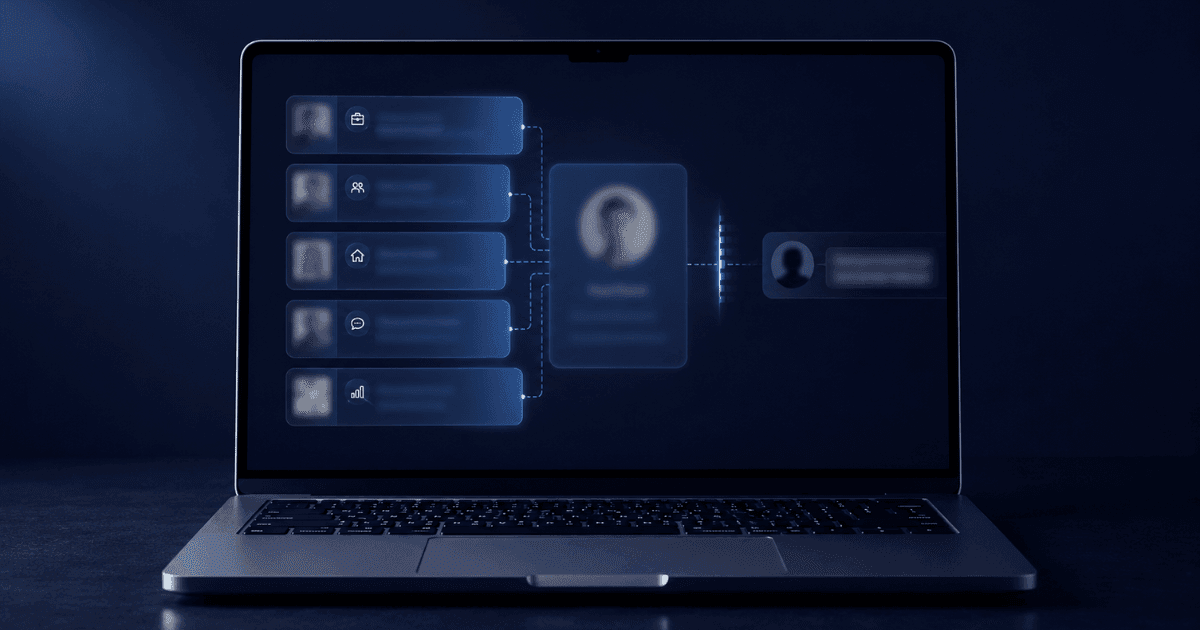
The most common findable signals attackers use include public LinkedIn profiles with employer information, dating app profiles with reverse-searchable photos, publicly listed phone numbers, publicly tagged family members, professional licenses appearing in state registries, and social media posts revealing financial success. Attackers combine these signals to construct threats, and a single strong signal, such as a licensed professional's name appearing in a public registry alongside a dating profile, is often enough on its own to trigger targeting.
Reducing the Signals
Not every signal can be hidden. Some are legally required to be public, while others support your business or career. The goal is not invisibility but reducing unnecessary exposure and understanding what remains visible. This process is a key part of avoiding cyber extortion before an attacker has enough information to build a credible threat.
Lock Down Your Digital Footprint
Reducing your digital footprint limits both the information attackers can find and the accounts they can use to obtain private material. Use a unique password for every account and store them in a reputable password manager, then enable passkeys or multi-factor authentication wherever possible. Prioritize email, banking, social media, cloud storage, and any account containing sensitive messages or media. These steps do not eliminate every risk, but they make account takeovers significantly more difficult and prevent one compromised password from exposing several parts of your digital life.
Your public profiles also deserve regular review. Employer details, family relationships, location patterns, tagged photographs, and visible signs of financial success can help an attacker construct a convincing threat. Remove information that does not need to be public, tighten the visibility of older posts, and request removal from data-broker sites that connect your name with contact details, addresses, or relatives. Regularly removing personal information from the internet makes it harder for attackers to build convincing threats from publicly available data.
Practice Financial Hygiene
Financial signals attract extortion, and reducing visibility while maintaining strong controls limits targeting.
Limit Public Financial Signals: Reduce visibility of financial success. No boasting posts, no public discussion of specific compensation, and no photographs displaying expensive assets. This is not about hiding legitimate success but about not signaling to attackers that you are a high value target.
Freeze Credit Reports Where Appropriate: Credit freezes at Equifax, Experian, and TransUnion prevent new account opening in your name without explicit consent. Freezes are free and easily lifted when needed, and freezing dramatically reduces the impact of any exposure that includes your Social Security number or other identity credentials.
Use Card Controls: Modern banking apps allow you to lock cards, set transaction limits, and require notifications for specific transaction types. Using these controls limits the damage from any card exposure and produces early warning of unauthorized activity.
Never Wire Money Under Pressure: The most common financial extortion outcome is a wire transfer sent under urgent pressure. Establish a personal rule to never wire money on the same day as first contact about any specific transaction, since this rule alone prevents most wire fraud extortion outcomes.
Need Expert Help?
Our team has resolved thousands of cases. Get confidential support now.
Recognize Early Warning Signs
Most extortion attempts show recognizable warning signs before any demand is made. A contact may quickly push the conversation from the original platform to Telegram, WhatsApp, or Signal, where moderation and identity checks are more limited. This is often accompanied by an artificial rush toward intimate content, personal disclosures, investment opportunities, or financial discussions. When a new connection tries to accelerate trust or move the conversation into a less visible channel, the combination deserves closer attention.
Repeatedly avoiding video calls or other reasonable forms of identity verification can be another warning sign, especially after weeks of conversation. Extortion setups may also begin with smaller unusual requests, such as sending an image of an ID for “verification,” using an unfamiliar payment method, or clicking a specific link. These requests can test compliance while collecting information that may later be used as leverage. If the situation develops into a direct threat, preserve the messages, account details, links, and payment requests before reporting cyber extortion through the appropriate channels.
Prepare Response Before You Need It
Preparation matters as much as prevention. Victims who know the workflow before a threat arrives respond faster and lose less.
Save the Reporting URLs and Numbers: Save the URLs for FBI IC3 (ic3.gov), FTC ReportFraud (reportfraud.ftc.gov), and any relevant local cybercrime unit somewhere you can find them under stress. Include a printed copy in a home file. Panic degrades memory.
Identify Your Trusted Person: Decide in advance who you would call if you were being extorted. A spouse, close friend, licensed counselor, attorney, or specialist team. Having identified the person in advance removes the choice-under-stress problem that isolates many victims.
Know Your Content Removal Options: Understand that StopNCII exists, that platform NCII reporting flows exist, and that Google removal exists. You do not need to have used them yet; you simply need to know they are available if the situation escalates. If reporting becomes necessary, knowing how to file a cyber crime complaint online helps you prepare the required information.
Ways to Prevent Extortion Before a Threat Begins
The most effective ways to prevent extortion are the ones put in place before an attacker makes contact. Use unique passwords, enable two-factor authentication, reduce unnecessary personal information on public profiles, and review data-broker listings regularly. Learn the early warning signs of manipulation, and decide in advance where you will save evidence and report suspicious activity if a threat develops.
People with greater public exposure, sensitive careers, or a history of harassment may need a more coordinated plan. Professional reputation protection services can bring together digital footprint reviews, exposure monitoring, data-broker cleanup, and response preparation in one ongoing process. The goal is not to become invisible online, but to reduce the information attackers can use and make sure you can respond calmly before pressure turns into leverage.
About the Author
Altahonos Team
The Altahonos Team consists of cybersecurity and online reputation management specialists with extensive experience in digital threat mitigation and content removal strategies, helping individuals and businesses protect their digital presence.
Related Resources
Trusted by Thousands

Based on 569+ verified reviews