

How a Sextortion Attorney Can Help Victims
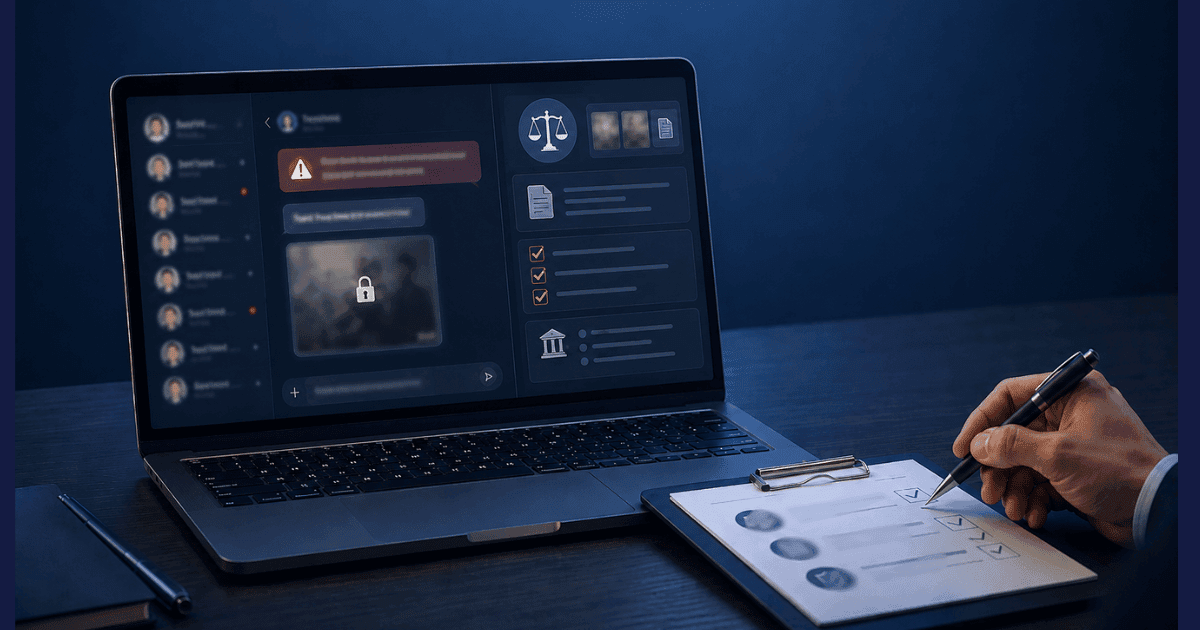
A sextortion attorney specializes in the legal pathways victims have to prosecute perpetrators and pursue civil damages, but legal action alone rarely stops content from spreading in the moment it matters most. Court processes take months, subpoenas require cooperation from platforms and foreign jurisdictions, and many perpetrators operate anonymously from countries where enforcement is slow or impossible. Technology-driven content removal and monitoring services can act within hours, regardless of whether the perpetrator is ever identified or prosecuted. This guide explains what sextortion attorneys realistically can and cannot do, when legal action makes sense as part of a broader response, and why pairing legal counsel with specialist removal services produces the fastest, most complete outcome.
What Sextortion Attorneys Actually Do
Sextortion sits at the intersection of criminal law, civil rights, privacy law, and content removal; attorneys are one part of a broader effort to stop sextortion, and typically play a coordinating role rather than a first-response one. They pursue defendants across jurisdictions, including international ones, negotiate cease-and-desist letters with known perpetrators, and advise on safety planning during active threat periods. Where they add the most value is in cases with an identifiable perpetrator, ongoing distribution, or significant financial and reputational harm, since those are the situations where court leverage actually changes the outcome.
Criminal Coordination
Attorneys help victims navigate the process to report sextortion to police, communicate with prosecutors on their behalf, and ensure their interests are represented in plea negotiations. On complex or cross-border cases, they coordinate with federal agencies and keep victims informed of progress that police departments often communicate poorly on their own. This coordination can meaningfully speed up a criminal case that would otherwise stall for months, but it operates on a legal timeline; it does very little to stop content from circulating while the case moves forward.
Subpoena Power for Identification
Anonymous perpetrators often hide behind fake accounts, and this is where legal authority genuinely outperforms informal options. Attorneys can subpoena platforms for user information such as IP addresses and account creation data, subpoena ISPs to identify users behind those addresses, subpoena financial institutions to trace payment routes, and subpoena email providers for sender information. Converting an anonymous attacker into an identifiable defendant is one of the most valuable things a lawyer can do, though the process itself typically takes weeks and depends on the cooperation of platforms and providers.
Content Removal Coordination
Attorneys can compel removal when voluntary requests fail, using court orders, DMCA expertise, or the credible threat of legal action to motivate a platform that has ignored standard reporting channels. This matters for the small number of platforms that genuinely require legal pressure. For the majority of cases, though, unauthorized content removal services working directly with platform trust and safety teams and hash-matching databases can act within hours, well before any legal filing would be ready; pairing both approaches, rather than relying on legal action alone, is what actually stops distribution quickly.
When and How to Engage
Not every sextortion case needs an attorney from day one, and for straightforward bluff threats, full legal engagement is usually unnecessary. The calculation changes once a perpetrator has begun distributing content rather than just threatening to, when they're known to the victim, or when significant financial, reputational, or professional damage has already occurred.
When It Makes Sense
- The perpetrator has begun distributing content, not just threatening to
- The perpetrator is known to you (ex-partner, acquaintance, business contact)
- Significant damages have occurred (financial, reputational, professional)
- You want to pursue civil damages and prevent recurrence
- Platforms are not responding to your direct removal requests
- The criminal case is moving slowly and you need parallel action
- The threat involves your children or family members
- Multiple platforms or international elements are involved
What to Expect From the First Consultation
Most reputable sextortion attorneys offer free or low-cost initial consultations, and coming prepared with an evidence package and a clear timeline of events makes that first meeting far more productive. Expect the attorney to walk through your case summary, assess which criminal and civil statutes apply, and recommend a sequence of legal actions along with a realistic cost estimate and timeline. A good consultation also covers what you should do immediately, including evidence preservation steps and which parallel actions, like starting content removal, shouldn't wait for the legal process to catch up.
Need Expert Help?
Our team has resolved thousands of cases. Get confidential support now.
Legal Remedies Available
Civil remedies exist mainly to recover damages and deter recurrence, not to remove content already circulating. They're worth pursuing in parallel with, rather than instead of, active removal efforts.
- Civil suit for intentional infliction of emotional distress: available in most jurisdictions; damages can be substantial
- Invasion of privacy claims: both intrusion and public disclosure variants
- Defamation suits: when false claims accompany the threats
- Copyright infringement: victims typically own copyright to photos they took themselves (selfies), which can support a parallel revenge porn removal claim alongside the statutory NCII remedy
- Specific NCII statutes: most US states, the UK, and EU members have specialized laws with statutory damages
- Civil RICO: in cases involving organized criminal enterprises
- Injunctions and restraining orders: ordering the perpetrator to stop and remove content, though enforcement still depends on the perpetrator being identified and within reach of the court
Cost and Finding Qualified Counsel
Cost Considerations
Sextortion legal services range widely based on scope, from limited-scope consultations at $200 to $500, to cease-and-desist letters at $500 to $2,000, up to full representation that can run $5,000 to $50,000 or more depending on complexity. Contingency fees are available in some civil cases, and pro bono representation is sometimes available through Cyber Civil Rights Initiative referrals. Hourly rates typically range from $200 to $700 or more depending on location and experience, though many cases can be handled with a limited-scope engagement focused on the highest-impact actions rather than full representation.
Finding Qualified Counsel
Not every attorney handles sextortion well, and the right one typically has direct experience with intimate image cases, familiarity with NCII statutes in your jurisdiction, and a trauma-informed approach to working with victims. Working relationships with relevant law enforcement and cybercrime investigation experience are strong signals of genuine specialization, as is a track record of client confidentiality and good standing with the local bar association.
Resources for finding specialized attorneys:
- State and local bar association referral services
- Specialty legal directories for digital privacy
- Recommendations from victim advocacy organizations
Working Alongside Other Support
An attorney coordinates and amplifies the other people working on your case, but doesn't replace them. Specialist content removal services handle the operational work of getting content taken down, mental health professionals support the emotional recovery that a months-long legal process can strain, and law enforcement handles the criminal investigation itself. The strongest outcomes come from these working in parallel rather than in sequence, with legal counsel tying the pieces together rather than leading them alone.
Take Action With Legal Support
A qualified sextortion attorney adds real value for cases involving identifiable perpetrators, active distribution, or significant damages, and legal coordination often accelerates criminal proceedings and preserves the option of civil recovery. But legal action moves on a legal timeline, measured in weeks and months, and courts have limited reach over anonymous or foreign-based perpetrators. What actually stops content from spreading in the hours that matter most is specialist removal technology working directly with platforms, hash-matching databases, and search engines, independent of whether the perpetrator is ever identified or prosecuted.
The strongest response pairs both: legal counsel to pursue damages, prosecution, and long-term deterrence, and dedicated content removal to contain the immediate threat. If you're dealing with sextortion, treating removal as the first move and legal action as the parallel track, rather than the other way around, is what protects you fastest. Specialist help to get rid of sextortion is available, and seeking it is a strength.
About the Author
Altahonos Team
The Altahonos Team consists of cybersecurity and online reputation management specialists with extensive experience in digital threat mitigation and content removal strategies, helping individuals and businesses protect their digital presence.
Related Resources
Trusted by Thousands

Based on 315+ verified reviews