
Facebook Dating Scams: How to Spot and Avoid Them
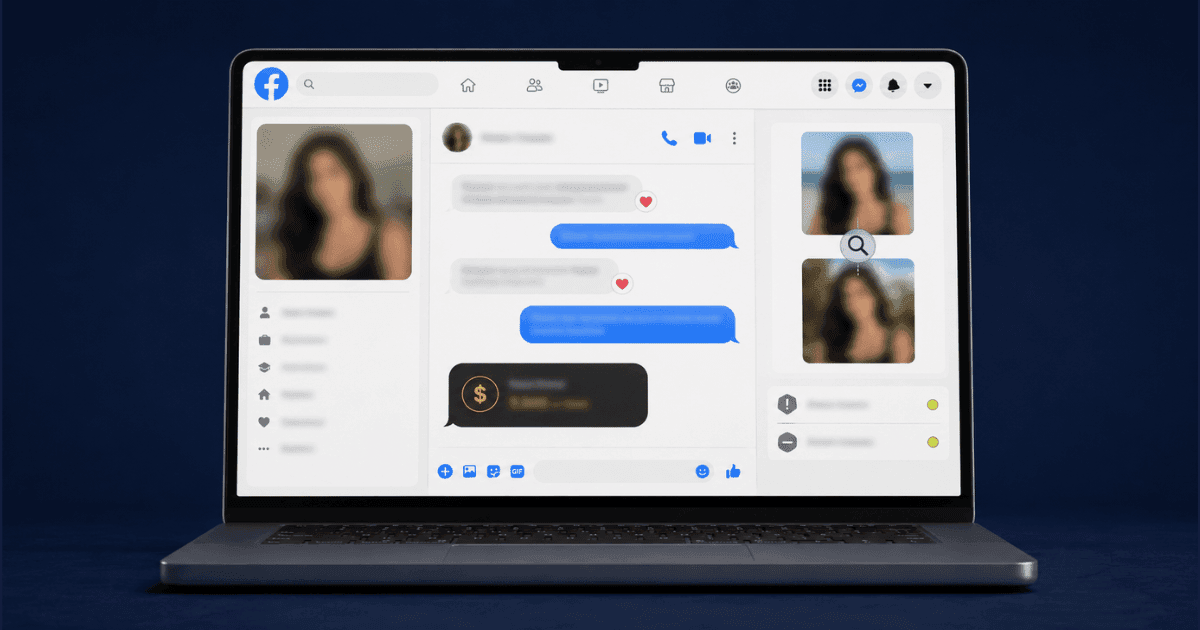
Facebook sits inside a platform that billions of people already use every day, which makes it feel familiar and trustworthy from the first swipe. That comfort is exactly what scammers count on. Because profiles can pull in photos, friend lists, and years of posts, a fake account can look surprisingly convincing, and a warm conversation can slide toward manipulation before you notice. The reassuring part is that Facebook dating scams follow well worn scripts, from the too good to be true match to the eventual pitch for money or private photos. When you understand how these schemes are built, you can keep using the feature to meet real people while shutting out the ones who are only there to take advantage. This guide covers the practical habits that keep your account, your finances, and your privacy safe.
Learn How Fake Profiles Are Built
Almost every Facebook dating scam starts with a profile designed to earn trust quickly. Knowing the ingredients helps you see through the illusion, especially since the same handful of tricks appear across nearly every fake account.
Be cautious when a match's profile shows:
- A small number of photos that look polished or borrowed from a modeling portfolio.
- A recently created account with few genuine friends or very little history.
- Posts that feel generic, with no real comments or interactions from people who know them.
- A life story that sounds impressive but conveniently keeps them far away or hard to reach.
Scammers often copy pictures and details from real people, so a profile can look complete while belonging to no one. Treat a shiny, frictionless profile as a reason to ask more questions, not fewer. A profile that seems too polished to be true usually is, and a few extra minutes spent checking rarely costs you anything if the match turns out to be genuine.
Look Past the Surface
A verified badge, mutual friends, or a full photo album can all be faked or manufactured. What matters more is whether the details hold together when you gently test them over several conversations. Ask about something they mentioned days earlier and see if the answer stays consistent. Genuine people remember the ordinary threads of a conversation, while someone managing many targets at once tends to blur the specifics or change their story without noticing. Small inconsistencies rarely mean much on their own, but a pattern of them over several conversations is worth taking seriously.
Spot Romance and Investment Lures Early
Once a scammer has your attention, the goal is usually money, and the request rarely arrives right away. Instead, trust is built first, then an opportunity or emergency appears; by the time money comes up, it can feel less like a request from a stranger and more like helping someone you already care about.
Romance Lures
The classic version involves fast, intense affection followed by a crisis. A match may describe a medical bill, a stranded trip, or a customs fee that stands between you and finally meeting. The emotional pressure is deliberate, and the amounts often grow over time, starting small enough to feel reasonable and escalating once the first payment goes through without objection.
Investment Lures
A newer version skips the sob story and offers a chance to get rich together. A charming match introduces you to a crypto platform or trading app that seems to be paying out beautifully. Early on you may even see fake profits, which is designed to encourage a larger deposit you will never recover; the platform itself is often entirely fabricated, showing numbers that never connect to any real account.
In both cases the rule is simple. Never send money, gift cards, or cryptocurrency to someone you have only met online, and be suspicious of anyone who mixes romance with financial opportunity. The FTC tracks these patterns closely and offers detailed guidance on spotting the warning signs before money changes hands.
Confirm You Are Not Being Catfished
Catfishing, where someone hides behind a false identity, is the foundation of most Facebook dating scams. A few simple checks can reveal the truth before you get emotionally invested, and none of them require any special technical skill.
- Run a reverse image search on their photos to see whether the pictures appear under other names.
- Suggest a spontaneous video call and notice whether they always have an excuse to avoid it.
- Ask specific, casual questions and watch for vague or shifting answers.
- Be wary if they quickly push to move the chat to WhatsApp, Telegram, or text, away from Facebook.
Moving off the platform early is a common tactic because it removes the conversation from a space where you can report it. There is no harm in switching apps once you genuinely trust someone, but the rush to do it is a red flag. Someone with nothing to hide rarely objects to a quick video call or a few consistency checks; it's the resistance itself, more than any single answer, that tends to reveal the most. If the identity checks confirm that you have been deceived, report the dating scammer with the profile details, messages, and any other evidence you preserved.
Need Expert Help?
Our team has resolved thousands of cases. Get confidential support now.
Guard Against Private Photo Threats
Some Facebook dating scams are not about a slow financial drain at all. Instead, the scammer works to obtain intimate photos or video, then threatens to send them to your friends and family unless you pay. Because Facebook is linked to your real social circle, these threats can feel especially frightening; the platform that made someone feel safe and familiar becomes the same one that makes the threat feel personal.
Protect yourself by keeping intimate content out of any online relationship until you have met the person and built real, verified trust. If a conversation starts steering toward explicit images unusually fast, treat that push as a warning sign rather than a compliment; genuine interest rarely comes with a countdown attached to it.
If someone has already made threats, do not panic and do not pay. Paying rarely ends the demands and often invites more. Preserve the evidence, stop responding, and reach out for support. Facebook blackmail cases like this are handled by specialist teams every day, and getting help early can make it easier to contain the threat and address any material that has already been shared.
Report Scammers and Lock Down Your Account
Whether or not you lost money, reporting a scammer protects the next person and helps you regain control. Facebook gives you tools to act quickly.
- Use the report and block options on the profile so the platform can review the account.
- Capture screenshots of messages, the profile, and any threats before you block, so you keep a record.
- Review your privacy settings and limit who can see your friends list, photos, and posts.
- Turn on two factor authentication and check that no unfamiliar devices are logged in.
- Consider tightening who can message you or send friend requests going forward.
These steps do more than remove one bad actor. They shrink the amount of personal information a future scammer could use to seem convincing or to pressure you. You can find Dating safety and reporting details directly in Facebook's Help Center. Treat privacy settings as an ongoing habit rather than a one time task, and revisit them whenever the platform updates its options.
Frequently Asked Questions
How are fake profiles usually built?
From stolen photos and a story that explains why meeting is impossible, often with a small number of friends and a recently created account. A reverse image search frequently finds the real person.What is the earliest reliable warning sign?
Pressure to move to another app within the first few messages. That removes the platform's reporting tools from the conversation and is where the account gains the advantage.They want to discuss an investment opportunity. Is that part of the scam?
Frequently. Romance and investment lures are often combined, with a trading platform or crypto wallet introduced after trust is built. Treat any such suggestion from an online-only contact as a stop point.What should I do if I sent private photos?
Stop replying, refuse to pay, restrict your audience and hide friend lists, save the conversation with timestamps, then report the profile and block last.Can Facebook remove the fake profile?
Yes, impersonation and fake accounts breach its policies and are usually removed when reported with evidence. Reporting also helps if the same photos reappear on a new account.Get Help When Threats Appear
Staying safe on Facebook comes down to a few steady habits: question profiles that look too perfect, refuse to mix romance with money, verify before you trust, and keep intimate content offline until you truly know someone. None of these habits require you to become suspicious of every match, only to slow down enough to notice when something doesn't add up.
If a match has already crossed a line into threats or blackmail, remember that calm, quick action protects you far better than silence or payment. Save your evidence, stop engaging, and reach out to a specialist team who can help you resolve a romance scam or handle a Facebook dating scam discreetly, so you can move forward with your privacy and peace of mind intact. The goal was never to make you distrust everyone on the platform, only to help you tell the difference between a genuine connection and a well rehearsed script.
About the Author
Altahonos Team
The Altahonos Team consists of cybersecurity and online reputation management specialists with extensive experience in digital threat mitigation and content removal strategies, helping individuals and businesses protect their digital presence.
Related Resources
Trusted by Thousands

Based on 573+ verified reviews