

Gaming Account Blackmail: How to Protect Yourself
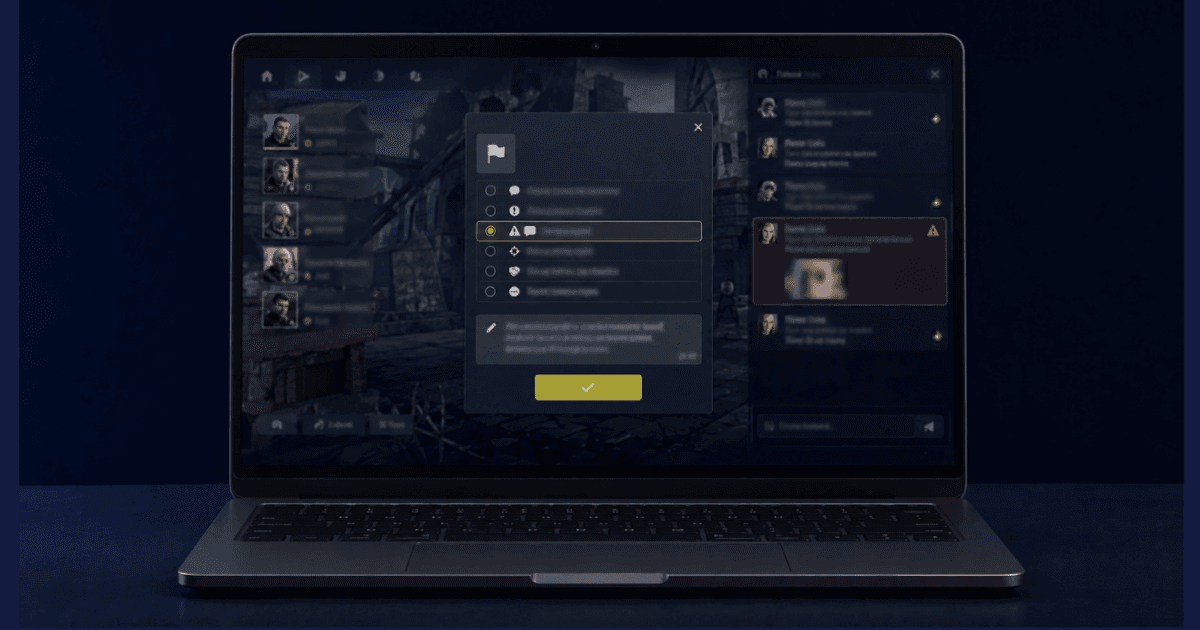
Gaming account blackmail is becoming one of the most common threats players face online, and it rarely announces itself before it's already underway. Online games are built for connection, and that is exactly what makes them a target for blackmail. A valuable account, a private voice chat, or a friendly stranger in a lobby can all become the opening a bad actor needs. The threats usually follow a pattern: someone gains access to an account or gathers something personal, then demands money, items, or more content in exchange for not causing harm. Younger players are especially vulnerable because they trust quickly and often play without a parent nearby. The good news is that gaming account blackmail is largely preventable with a few solid habits, and even if something goes wrong, there is a clear way to respond. This guide breaks it down step by step.
Step 1: Understand How the Threats Actually Work
Knowing the common tactics makes them far easier to spot before any damage is done. Most gaming blackmail falls into a few recognizable categories: account takeovers, where an attacker steals your login and then threatens to delete progress, spend your currency, or lock you out unless you pay; voice and text chat pressure, where a new friend slowly builds trust and later demands money, gift cards, or private images; fake trades and giveaways that trick you into handing over account details or clicking a malicious link; and screen sharing or recording during a call, where someone captures a moment and later uses it as leverage. When the attacker has actually taken over your login, gaming account extortion tends to unfold differently from a purely social approach, since regaining access becomes the first priority.
The one thing these share is manipulation. The person wants you scared and rushed so you act before you think, because a calm decision almost never favors them. Recognizing that pressure the moment it appears, rather than a few messages into the conversation, is your first line of defense; the longer you engage while feeling cornered, the harder it becomes to step back and think clearly.
It also helps to know that these accounts are often traded and targeted for profit. A rare skin, a high level character, or a large in game balance has real resale value, which is why attackers work so hard to take control. When you understand that your account is worth money to someone else, the reasons to protect it stop feeling abstract and start feeling practical.
Step 2: Lock Down Your Accounts
Most account takeovers succeed because of weak or reused security. Tightening this closes the door on the majority of attacks, and none of these steps take more than a few minutes to set up.
- Turn on two factor authentication for every gaming platform, store, and linked email.
- Use a unique, strong password for each account, ideally stored in a password manager.
- Never reuse the password from your email on a game, since your email is the master key to everything.
- Be cautious with third party apps that ask to connect to your account, and remove any you no longer use.
It is also worth reviewing the recovery email and phone number on each account, since attackers sometimes change these quietly to lock you out later, often as one of the first things they do after gaining access, so they can regain entry even after you change your password. The FTC's consumer protection site tracks these account takeover patterns across platforms, not just gaming, and the same core habits apply well beyond any single game. Checking active login sessions periodically is another simple habit that catches unauthorized access before it turns into a full takeover.
Step 3: Set Boundaries in Chats and Voice Calls
Many threats begin not with hacking but with conversation. Someone becomes friendly, learns about you, and then turns that trust into leverage, often over the course of weeks rather than a single suspicious message.
Simple rules that prevent most problems
- Keep personal details private: real name, school, address, and daily routine.
- Never share images or turn on your camera for people you only know in a game.
- Be skeptical of anyone who pushes to move the chat to a private app very quickly.
- Remember that in game friends can still be strangers, no matter how kind they seem.
Attackers often target players who seem isolated or eager to make friends. Slowing down and keeping personal information out of casual chats removes most of their leverage before it can form. A genuine friend will respect your boundaries and will not pressure you to break them. Anyone who reacts with guilt trips or urgency when you decline to share is showing you exactly why the boundary was worth having in the first place, and that reaction alone is worth paying attention to, since it often reveals more about their intentions than anything they've said up to that point.
Need Expert Help?
Our team has resolved thousands of cases. Get confidential support now.
Step 4: Protect Younger Players
Children and teens are frequent targets because they may not recognize manipulation and often fear getting in trouble if they speak up. A calm, open approach at home makes a real difference, and it starts well before any threat ever appears.
Play or sit alongside younger children when they are online, and keep game consoles in shared spaces rather than a bedroom, since visibility alone discourages a lot of predatory behavior. Explain that no request to keep a secret from a parent is ever normal, no matter what is promised or threatened, and repeat that message often enough that it becomes second nature rather than a one-time warning.
Review privacy and chat settings together, limiting messages to friends only where possible, so a child understands the reasoning rather than just following a rule handed down to them. Make it clear that they will not be punished for reporting something scary, which is what keeps them silent otherwise; that promise has to be kept consistently, because a single harsh reaction can undo months of open communication. Creating that sense of safety is an important part of protecting a child from sextortion, since children are more likely to speak up early when they know they can do so without fear of punishment.
Step 5: Know What to Do If You Are Targeted
If a threat does arrive, the way you respond in the first hour matters. Panic is the attacker's best tool, so the goal is to stay calm and act deliberately.
- Do not pay and do not send anything more. Payment rarely ends the demands and usually invites new ones.
- Stop replying, but do not delete the account or messages yet, since they are evidence.
- Take screenshots of the threats, usernames, and any payment details requested.
- Secure your accounts immediately by changing passwords and reviewing active sessions.
- Report the account to the game platform and to a trusted adult if the target is a minor.
Try to keep perspective through the fear. Most blackmailers are running the same script on many people at once, and they move on quickly when a target stops responding and stops paying. The threats are designed to sound personal and inevitable, but they are usually bluffs meant to keep you engaged. Once your accounts are secure and the evidence is saved, the person loses almost all of their power over the situation. Reporting matters even when it feels pointless, because platforms track repeat offenders and your report can protect the next player. If the demands continue, you can also report the blackmail so it is documented properly.
Get Support When the Pressure Escalates
Gaming account blackmail should never be something you have to handle alone, and staying stuck with the fear is worse than reaching out too early. Gaming should be fun, not a source of fear. If someone is blackmailing you or your child over an account, a voice call, or shared content, and especially if the demands keep coming, help with online gaming sextortion is available for a confidential assessment; the earlier you bring in experienced help, the more options you typically have for containing the situation before it spreads further.
Please note that Altahonos is not a law firm and does not provide legal advice; we focus on the practical steps of securing accounts, removing harmful content, and stopping the pressure so you can get back to playing. Whether the threat is aimed at you directly or at your child, the same core principle applies: staying calm, documenting what happened, and getting support early puts you back in control far faster than trying to manage it alone.
About the Author
Altahonos Team
The Altahonos Team consists of cybersecurity and online reputation management specialists with extensive experience in digital threat mitigation and content removal strategies, helping individuals and businesses protect their digital presence.
Related Resources
Trusted by Thousands

Based on 315+ verified reviews