

How to Get Rid of Blackmailers: Complete Protection Guide
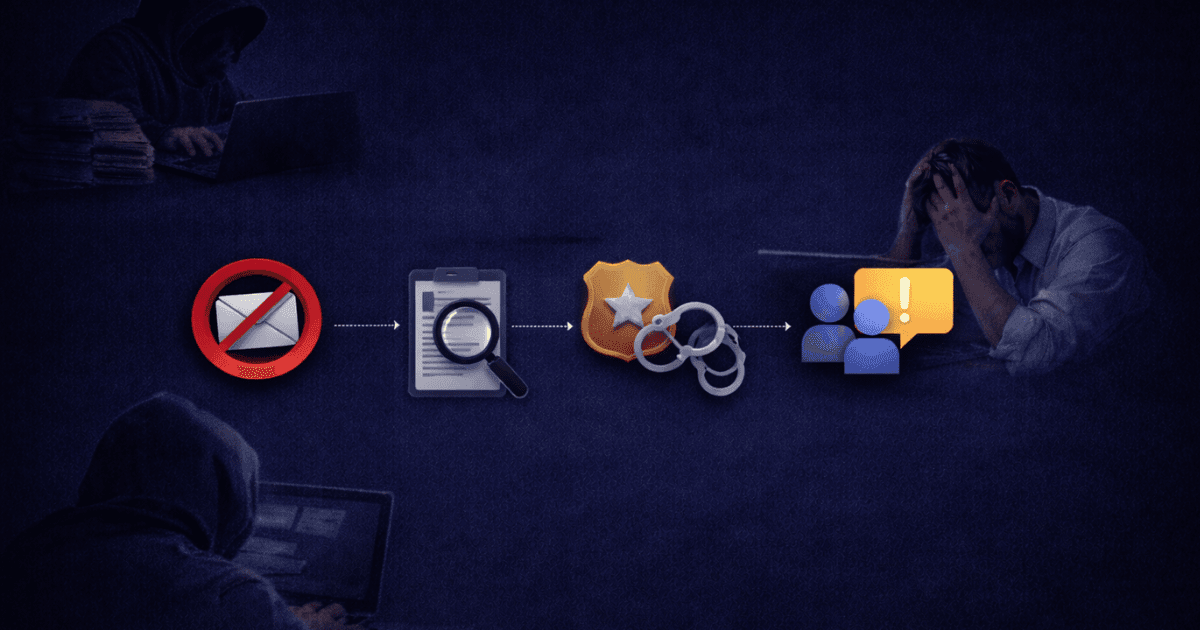
Blackmail is a devastating crime that leaves victims feeling trapped, scared, and powerless. Whether you're facing sextortion, financial extortion, or threats involving compromising content, learning how to get rid of blackmailers is essential for regaining control of your life. This comprehensive guide provides expert-tested strategies to stop blackmailers and protect yourself from future threats.
Understanding how blackmailers operate and knowing the right response steps can mean the difference between continued harassment and complete resolution. Every year, thousands of victims successfully stop blackmail threats by following structured protocols and getting appropriate professional support.
Understanding Blackmail Tactics
How Blackmailers Operate?
Blackmailers use psychological manipulation and fear to control victims:
- Fear-Based Control: They exploit your fear of exposure, embarrassment, or consequences to force compliance with their demands.
- Escalating Demands: Initial demands are often small to test your willingness to pay. Compliance inevitably leads to larger, more frequent demands.
- Time Pressure Tactics: False deadlines and urgent threats are designed to prevent rational thinking and force quick decisions.
- Isolation Strategy: Blackmailers count on victims staying silent due to shame or fear, which gives them continued power.
Common Blackmail Scenarios
Sextortion: Threats to share intimate images or videos unless payment is made or more content is provided. Often begins through dating apps or social media.
Financial Extortion: Threats to expose business secrets, tax issues, or financial information unless money is paid.
Relationship Blackmail: Ex-partners threatening to share private content or spread damaging information about the relationship.
Professional Threats: Blackmailers threatening to contact employers or professional contacts with real or fabricated damaging information.
Social Media Blackmail: Threats to post embarrassing content or false allegations on social media platforms where friends, family, and colleagues can see.
Understanding how to get rid of blackmailers starts with recognizing these patterns and refusing to engage on their terms.
Immediate Action Steps
1. Do Not Pay or Comply
The single most important rule: never pay blackmailers. Research consistently shows that paying or complying leads to:
- 85% of victims face continued demands: Payment proves you are a viable target
- Demands increase significantly: Initial amounts are tests; subsequent demands escalate
- New threats emerge: Blackmailers invent additional leverage to extract more money
- You fund criminal operations: Payment enables them to target more victims
Refusing to pay is the foundation of how to get rid of blackmailers.
2. Stop All Communication Immediately
Cut off contact completely:
Do Not:
- Negotiate or bargain with demands
- Plead, beg, or show desperation
- Threaten them with legal action
- Try to reason or appeal to their conscience
- Engage in any conversation whatsoever
Why This Works: Blackmailers rely on psychological control through communication. Silence removes their leverage and often causes them to abandon you for easier targets.
Exception: Keep communication open only under law enforcement guidance during active investigations.
3. Preserve All Evidence
Before blocking the blackmailer, document everything:
Communication Records:
- Screenshot all messages with timestamps visible
- Save email headers showing sender information
- Record phone numbers (even if they seem fake)
- Document social media profiles, usernames, and account details
- Preserve original files without editing or cropping
Threat Documentation:
- Exact wording of all threats
- Payment amounts and methods demanded
- Deadlines given for compliance
- Any information they claim to have
- Evidence of follow-through on threats
Payment Information:
- Cryptocurrency wallet addresses
- Payment app accounts requested
- Bank account details if provided
- Gift card redemption instructions
- Any financial transactions made
This evidence is crucial for law enforcement, platform reporting, and professional intervention.
4. Secure All Your Accounts
Take immediate security measures:
Password Changes:
- Change passwords on all accounts the blackmailer might access
- Use unique, strong passwords (minimum 16 characters)
- Never reuse passwords across accounts
- Consider a password manager for security
Two-Factor Authentication:
- Enable 2FA on all important accounts
- Use authenticator apps rather than SMS when possible
- Secure backup codes in a safe location
Privacy Settings:
- Make social media accounts private temporarily
- Review follower/friend lists for suspicious accounts
- Limit who can contact you via messaging
- Remove personal information from public profiles
Account Monitoring:
- Check login activity for unauthorized access
- Review third-party app permissions
- Look for suspicious account changes
- Monitor for unusual activity patterns
Law Enforcement Reporting
Federal Agencies
FBI Internet Crime Complaint Center (IC3):
The primary federal resource for cybercrime:
- 1. Visit IC3.gov and file a complaint
- 2. Select "Extortion" or "Sextortion" as the crime type
- 3. Provide detailed narrative of the incident
- 4. Upload supporting documentation
- 5. Receive complaint ID number for tracking
- 6. Follow up with your local FBI field office for serious threats
IC3 handles:
- Online extortion and sextortion cases
- Interstate blackmail threats
- International cybercrime coordination
- Digital evidence analysis
National Center for Missing & Exploited Children (NCMEC):
MANDATORY if any blackmail involves:
- Minors (under 18) in any capacity
- Content involving anyone under 18
- Threats against minors
Report immediately to NCMEC CyberTipline. This organization has specialized units and direct law enforcement coordination for child protection.
State and Local Law Enforcement
File reports with local police:
What to Bring:
- All documented evidence (organized and labeled)
- Written timeline of events
- Your IC3 complaint number
- Any identifying information about the blackmailer
What to Request:
- Official police report and report number
- Information about victim services
- Contact for the assigned detective
- Updates on investigation progress
Important Notes:
- Some local departments lack cybercrime expertise
- Federal agencies often have better resources
- File both local and federal reports for comprehensive coverage
- Report numbers are useful for civil proceedings
International Blackmail
When blackmailers operate from foreign countries:
Key Agencies:
- IC3: Has international coordination capabilities
- Interpol: For serious cross-border cases
- Embassy Assistance: If traveling or suspect is in specific country
Common International Sources:
- West Africa (Nigeria, Ghana): Romance scam blackmail
- Southeast Asia (Philippines, Indonesia): Sextortion operations
- Eastern Europe: Financial extortion and hacking
- Morocco, India: Dating app and social media blackmail
Understanding how to get rid of blackmailers operating internationally requires specialized federal resources and often professional intervention.
Platform Reporting
Social Media Platforms
Facebook and Instagram:
- 1. Report the threatening account
- 2. Report specific threatening messages
- 3. Select "Harassment or Bullying" then "Threats"
- 4. Provide detailed context in description
- 5. Use intimate image reporting for sexual blackmail
- 6. Request expedited review for serious threats
- 7. Block the account after reporting
Twitter/X:
- 1. Report threatening accounts and tweets
- 2. Select "Abusive or Harmful" → "Threatening violence"
- 3. Report multiple tweets separately
- 4. Use "Private Information" for doxxing threats
- 5. Document report confirmation numbers
TikTok, Snapchat, and Other Platforms:
- Each has dedicated harassment reporting
- Use "Threats" or "Harassment" categories
- Provide all available context
- Block after documenting and reporting
For comprehensive protection across platforms in stop sextortion cases, professional services can coordinate multi-platform reporting while you focus on recovery.
Dating Apps
Tinder, Bumble, Hinge, Match:
- Screenshot all conversations before unmatching
- Report through app safety features
- Provide match information and evidence
- Contact app support directly for serious threats
WhatsApp, Telegram, Signal:
- Block after evidence preservation
- Report to platform where available
- Document phone numbers and account info
- Focus on law enforcement reporting for these platforms
Email and Communication Platforms
Gmail, Outlook, Yahoo:
- Report as phishing/scam
- Block the sender
- Save all emails in separate folder
- Do not delete original messages
Payment Apps (Venmo, PayPal, Cash App):
- Report fraudulent activity
- Provide transaction details if you paid
- Request account suspension
- Document payment account information
Professional Intervention
When to Seek Professional Help?
Professional cybercrime specialists should be engaged when:
Immediate Threats:
- Content has already been posted publicly
- Blackmailer is actively contacting your network
- Threats involve physical safety
- Multiple platforms or methods are being used
- You need 24/7 crisis support
Complex Situations:
- Sophisticated perpetrators with technical skills
- International blackmail operations
- Business or professional reputation at risk
- Law enforcement response is delayed
- You need expert guidance through the process
Ongoing Protection Needs:
- Monitoring for content re-uploads
- Coordinating with multiple platforms
- Evidence package preparation for prosecution
- Long-term reputation management
What Professional Services Provide?
Crisis Response:
- 24/7 availability for urgent situations
- Immediate threat assessment and prioritization
- Crisis counseling and emotional support
- Action plan development for your specific case
Technical Intervention:
- Digital forensics to identify blackmailers
- Content removal across platforms through content removal services
- Account security enhancement
- Monitoring for re-uploads or new threats
Law Enforcement Coordination:
- Proper evidence package preparation
- Coordination with federal and local agencies
- Expert witness testimony if needed
- Navigation of legal processes
Platform Expertise:
- Direct contacts with platform safety teams
- Expedited content removal processes
- Knowledge of platform-specific procedures
- Multi-platform coordination
For complete blackmail resolution, stop blackmail specialists provide comprehensive support from crisis through resolution.
If Content Is Posted
Immediate Response Steps
If the blackmailer follows through with threats:
1. Do Not Panic:
- Content can often be removed quickly
- Most platforms have expedited processes for this
- Professional services have direct platform contacts
- Focus on immediate removal, not who has seen it
2. Document the Post:
- Screenshot with URL and timestamp
- Record platform, account name, post details
- Note engagement (views, shares, comments)
- Capture everything before removal
3. Report Immediately:
- Use platform's intimate image removal tools
- Report for "Non-consensual intimate images"
- Request expedited review
- Mention it violates platform policies
4. Engage Professional Removal Services:
- Specialists can achieve removal in hours vs. days
- They have direct platform relationships
- Can coordinate multi-platform removal
- Provide monitoring for re-uploads
Platform Removal Procedures
Instagram and Facebook:
- Report for "Nudity or Sexual Activity"
- Use Meta's dedicated intimate image reporting
- Tag as non-consensual content
- Request expedited removal
Twitter/X:
- Report for "Private Information" or "Intimate Media"
- Use Twitter's specific non-consensual media policy
- Multiple reports from different accounts help
- Consider DMCA takedown for copyright violation
Google Search Results:
- Use Google's legal removal request form
- Specify non-consensual intimate content
- Provide specific URLs of content
- Follow up if initial request denied
Adult Sites and Forums:
- Most have DMCA takedown procedures
- Professional services specialize in these removals
- May require legal representation
- Can take 3-7 days for removal
Professional image removal and video removal services are highly recommended for efficient content removal.
Preventing Content Spread
Monitoring:
- Use reverse image search tools
- Set up Google Alerts for your name
- Monitor known sharing platforms
- Check adult content sites periodically
Proactive Protection:
- Use StopNCII.org to create image hashes
- Hashes prevent upload to participating platforms
- You never share actual images
- Provides ongoing protection
Network Alerts:
- Inform trusted contacts content may appear
- Ask them to report if they see anything
- Most people will be supportive
- Focus on resolution, not managing perceptions
Need Expert Help?
Our team has resolved thousands of cases. Get confidential support now.
Legal Options and Protections
Federal Laws
Blackmail violates multiple federal statutes:
18 USC 875 (Interstate Communications):
- Covers threats transmitted across state lines
- Includes email, social media, apps, phone
- Penalties up to 5 years imprisonment
- Applies to threats of injury to reputation
18 USC 1030 (Computer Fraud and Abuse):
- Covers unauthorized access and extortion via computers
- Penalties up to 10 years for extortion
- Applies to hacking-related blackmail
18 USC 2252A (Child Exploitation):
- Mandatory if any content involves minors
- Extremely severe penalties (15-30 years)
- Federal prosecutors prioritize these cases
State Laws
Most states have specific statutes addressing:
Extortion and Blackmail:
- Criminal penalties vary by state
- Generally felony-level offenses
- Additional civil liability
Cyber Harassment and Stalking:
- Covers online threats and harassment
- Restraining order eligibility
- Specific cybercrime enhancements
Non-Consensual Pornography ("Revenge Porn"):
- 48 states have specific laws
- Criminal and civil remedies
- Increasing penalties as laws strengthen
Civil Remedies
Victims can pursue:
Restraining Orders:
- Emergency protective orders available
- Cyber harassment basis in most jurisdictions
- Prevents contact and content posting
- Violation results in immediate arrest
Civil Lawsuits:
- Sue for damages (emotional distress, financial loss)
- Pursue injunctions against content distribution
- Claims for invasion of privacy
- Defamation if false statements involved
Victim Compensation:
- Many states have victim compensation funds
- Can cover therapy, lost wages, legal fees
- Application through prosecutor's office
- Separate from criminal proceedings
Consult with attorneys specializing in cybercrime and privacy law to understand your specific options.
Long-Term Protection Strategies
Digital Security
Account Security Maintenance:
- Regular password changes
- Monitor login activity monthly
- Review app permissions quarterly
- Keep 2FA enabled everywhere
Privacy Protection:
- Limit personal information sharing online
- Use privacy settings restrictively
- Be cautious with new contacts
- Verify identity before trusting anyone
Safe Communication Practices:
- Never share intimate content digitally
- Use encrypted messaging for sensitive topics
- Avoid storing sensitive images in cloud
- Disable automatic cloud backup for private photos
Reputation Monitoring
Set Up Alerts:
- Google Alerts for your name and variations
- Reverse image search on your photos periodically
- Monitor social media mentions
- Use reputation monitoring services
Professional Monitoring:
- Consider ongoing monitoring services
- Especially important after blackmail incidents
- Can detect and remove content quickly
- Provides peace of mind
Online Presence Management:
- Build positive online presence
- Create professional profiles
- Publish positive content about yourself
- Push down negative content in search results
Emotional Recovery and Support
Understanding the Psychological Impact
Blackmail victims commonly experience:
Immediate Reactions:
- Anxiety and panic attacks
- Sleep disturbances
- Difficulty concentrating
- Fear and hypervigilance
Ongoing Effects:
- Shame and embarrassment
- Trust issues in relationships
- Depression and isolation
These are normal responses to victimization. Professional support helps process these experiences and develop healthy coping strategies.
Support Resources:
Peer Support:
- Online support groups for blackmail victims
- Cybercrime victim communities
- Anonymity available in most groups
Trusted Confidants:
- Share with people you trust completely
- Focus on those who provide practical and emotional support
- Remember that most people are supportive and understanding
Prevention: Avoiding Future Blackmail
Recognizing Red Flags
Learn to identify potential blackmailers:
Romance Scam Indicators:
- Moving extremely fast in relationship
- Professing love within days/weeks
- Asking about finances or personal details
- Poor grammar despite claiming to be native speaker
Suspicious Contact Patterns:
- Unsolicited contact from strangers
- Too-good-to-be-true offers or opportunities
- Inconsistencies in their story
Dating App Safety:
- Verify identity before trusting anyone
- Never share intimate content with online contacts
- Trust your instincts about suspicious behavior
For comprehensive protection on dating platforms, learn about dating app blackmail prevention strategies.
Safe Digital Practices
Content Sharing:
- Think carefully before creating intimate content
- Never include identifiable features (face, tattoos, locations)
- Know that anything digital can be shared
Platform Security:
- Review privacy settings regularly
- Limit who can contact you
- Read about app security practices
Information Protection:
- Limit personal details in public profiles
- Be vague about location and schedule
- Consider using Google Voice for phone numbers
Case Study Examples
Romance Scam Blackmail (Resolved in 48 Hours)
Situation: Woman met "military contractor" on dating app. After two weeks of chatting, he convinced her to share intimate photos. Immediately demanded $5,000 or he would send photos to her Facebook friends.
Resolution:
- She refused to pay
- Perpetrator's accounts suspended within 24 hours
- Romance scam traced to overseas operation
Ex-Partner Blackmail (Full Legal Resolution)
Situation: Ex-boyfriend threatened to share intimate videos from relationship unless victim agreed to meet him. Threats escalated to contacting her employer.
Resolution:
- Filed police report immediately
- Obtained emergency restraining order
- Civil settlement included NDA and damages
Outcome: Criminal conviction, 18-month sentence, civil damages recovered, no content ever shared.
Social Media Sextortion (Professional Intervention)
Situation: Teen convinced to share photos on Snapchat. Scammer threatened to post to Instagram and send to school unless $500 paid immediately.
Resolution:
- Parents contacted immediately
- Professional service engaged for crisis support
- All social media accounts secured
- School counselor notified for support
- Monitoring confirmed no posting
Outcome: No payment, no content shared, teen received counseling support, similar scams reported in area helped others.
Frequently Asked Questions
- Should I pay just to make it stop?
- Never pay. Statistics show 85% of victims who pay face increased demands. Payment proves you're a viable target and enables the criminal to continue operations.
- What if they follow through with their threats?
- Most blackmailers don't follow through because posting content removes their leverage. However, if content is posted, professional services can often achieve removal within hours.
- How do I know if the blackmailer is serious?
- Assume all threats are serious enough to document and report, but understand that blackmailers primarily want payment, not to actually post content.
- Can blackmailers really find my friends and family?
- If your social media is public, yes. This is why immediately securing accounts and making profiles private is crucial. However, mass-contacting your network is more threat than reality.
- What if the blackmailer is anonymous?
- Law enforcement and professional forensic services have sophisticated tools to trace digital footprints. IP addresses, payment methods, platform accounts, and communication patterns often lead to identification.
- Will reporting to police really help?
- Yes. Law enforcement takes blackmail seriously, especially when properly documented. Federal agencies like FBI have specialized cybercrime units with international reach.
- How long does it take to resolve blackmail situations?
- With proper response (refusing payment, documenting, reporting, professional help), most situations resolve within days to weeks.
- What if the blackmailer knows personal information about me?
- Document exactly what they know or claim to know. Often they bluff to increase fear. Even with personal information, their leverage comes from ongoing communication.
Taking Control Back
Learning how to get rid of blackmailers empowers you to respond effectively rather than react from fear. The key principles are:
- Never pay or comply with demands. Payment escalates the situation and funds criminal operations
- Document everything thoroughly. Evidence is essential for law enforcement and professional intervention
- Stop all communication. Silence removes their psychological leverage
- Secure all accounts. Prevent additional compromise and limit their information access
- Seek professional help for complex situations. Expert intervention provides crisis support, technical solutions, and legal coordination
- Prioritize emotional recovery. Professional counseling helps process the trauma and rebuild confidence
Blackmailers rely on fear, shame, and isolation to maintain control. By taking decisive action, refusing to engage on their terms, and getting appropriate support, you can bring the threats to an end.
Take Action Now: If you're currently facing blackmail threats, document everything, stop communication, and report to IC3 immediately. For 24/7 professional assistance with crisis support, evidence collection, law enforcement coordination, and content removal, specialized cybercrime services provide comprehensive protection.
The first step in how to get rid of blackmailers is refusing to let fear control your decisions. With the right approach and proper support, you can regain control and move forward confidently.
About the Author
Altahonos Team
The Altahonos Team consists of cybersecurity and online reputation management specialists with extensive experience in digital threat mitigation and content removal strategies, helping individuals and businesses protect their digital presence.
Related Resources
Trusted by Thousands

Based on 488+ verified reviews