

How to Maintain a Good Digital Reputation: Build, Monitor and Protect
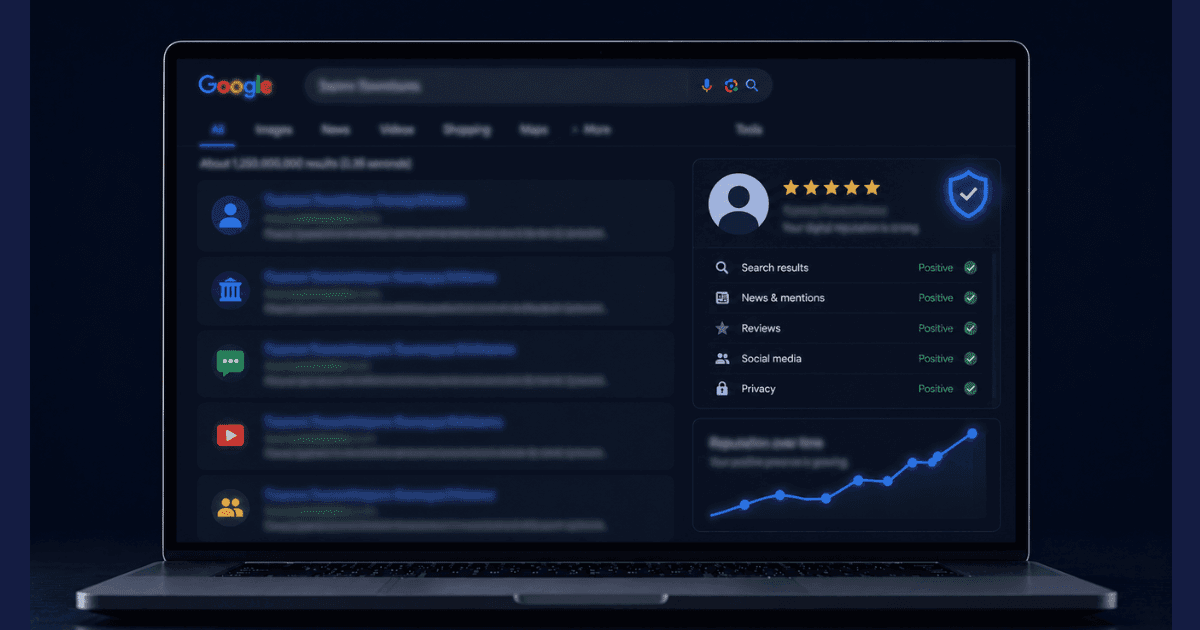
Knowing how to maintain a good digital reputation has become essential for anyone building a career, business, or public presence online. A digital reputation is what people find when they search your name or business, and for most opportunities including job offers, business deals, and partnerships, what they find determines whether they engage at all. Building and maintaining a strong reputation is not a one-time project but an ongoing discipline that combines creating positive content, monitoring for problems, responding thoughtfully to feedback, and preparing for crises before they happen. This guide walks through the practical strategy professionals use to develop and protect online reputations long-term.
How to Maintain a Good Digital Reputation: Start With an Audit
Before building, understand what's already there. Search your full name, common variations, and any nicknames on Google, Bing, and DuckDuckGo; use private browsing mode to avoid personalized algorithmic skew that makes your results look better than they are to neutral observers. Run image variations through reverse image search to find photos circulating without your knowledge. Check social media profiles for publicly visible information that may not reflect how you want to be seen professionally. Look at review sites relevant to your work, and check data broker sites for personal information that could be exploited. Document findings in a baseline audit that tells you what's working, what's missing, and what needs addressing. A professional online reputation management audit goes deeper than a manual search and identifies vulnerabilities you might miss.
Build a Strong Foundation of Positive Content
The most effective long-term protection is owning the first page of search results with positive, accurate content.
- Personal website or portfolio: Own a domain matching your name; publish your work, bio, and updates
- LinkedIn profile: Complete, current, and engaging; this often ranks high in name searches
- Industry-specific profiles: GitHub for developers, Behance for designers, ResearchGate for academics
- Published articles: Guest posts, industry publications, or thought leadership pieces
- Verified business listings: Google Business Profile, industry directories
- Active social media: At least one platform with consistent, professional content
These owned and earned media properties become the result you want people to find.
Practice Consistent Posting
Active, thoughtful posting signals an engaged professional identity and gives search engines fresh, positive content to index. Choose one or two platforms where your target audience is most active rather than spreading thin across many. Post consistently with value-additive content; weekly is a reasonable floor for most professionals. Engage authentically with others' content rather than only broadcasting your own. Share insights, milestones, and lessons learned that demonstrate expertise and character. Avoid politically divisive or controversial content unless it is intentional and central to your brand. Maintain a consistent tone and visual identity across platforms. Consistency over years builds reputation more reliably than any single viral moment.
Manage What You Share Carefully
Each post becomes a permanent part of your digital record. Pause before posting in moments of anger or emotional reaction; responses made in those moments almost always make situations worse. Avoid content you would not want a future employer, partner, or client to see, and be cautious of political, religious, or social commentary that may not age well. Never share confidential information about employers, clients, or partners, even indirectly. Consider how content might appear out of context years later when the surrounding circumstances are no longer visible. Keep public accounts professional and use private accounts for personal sharing. The internet remembers; posts made years ago can still affect opportunities today. Careful sharing habits matter, but so does knowing how to clean your digital footprint before old content creates new problems.
Monitor Continuously
Reputation problems compound when left undetected. Set up Google Alerts for your name, brand, and key identifiers to receive notifications whenever new content appears. Review search results monthly for new entries and check social media mentions weekly. Subscribe to review monitoring tools if your work involves customer-facing services. For businesses or higher-risk profiles, reputation monitoring provides broader surveillance across news sources, social media, and the wider web. Track sentiment trends over time rather than reacting to individual data points. Early detection is far easier and cheaper to address than problems that have already spread widely.
Need Expert Help?
Our team has resolved thousands of cases. Get confidential support now.
Respond Thoughtfully to Negative Content
Negative content will appear. How you respond shapes its impact.
- Take a breath before responding emotional responses make things worse
- Acknowledge legitimate concerns without admitting wrongdoing
- Correct factual inaccuracies publicly and professionally
- Move conflicts offline when possible ("Let's discuss this directly")
- Avoid arguments in public threads they amplify negativity
- Document everything in case escalation is needed
- Don't delete legitimate criticism it appears defensive
Sometimes the best response is no response. Other times, a measured public reply demonstrates professionalism.
Address Defamatory or False Content
Some negative content crosses into defamation, harassment, or deliberate false claims that require a different response than ordinary criticism. Document the content with full screenshots and URLs before taking any action. Send a cease and desist letter for clearly defamatory content as a first step; this alone resolves many cases. File platform reports under defamation or false information categories with your documentation attached. For serious cases with quantifiable harm, pursue legal action and obtain court orders compelling platform removal. When content has spread across multiple platforms, removing online defamation requires coordinated action rather than individual platform reports.
Build Strong Reviews Strategically (For Businesses)
For business reputations, reviews are central to how new customers evaluate credibility. Make it easy for satisfied customers to leave reviews by providing direct links at the right moment in the customer journey. Respond to every review, positive and negative, professionally and specifically rather than with generic templates. Address negative reviews thoughtfully and invite offline resolution; a well-handled negative review often reassures prospective customers more than a perfect score. Never filter by asking only happy customers to leave reviews, and never pay for fake reviews, both of which carry legal risks and are increasingly detectable by platforms. Use Google review management tools for systematic monitoring and response management, keeping response times consistent and preventing negative content from going unaddressed.
Prepare for Reputation Crises
Plan for the worst before it happens. Identify your most likely reputation risks based on your industry, public profile, and known vulnerabilities. Document a response plan covering who makes decisions, what channels you use, and what your core message is in different scenarios. Identify legal counsel familiar with online reputation before you need them; searching for lawyers while under attack wastes critical time. Maintain relationships with PR or crisis communication advisors if your profile warrants it. Crises are stressful; having a plan means you respond rather than panic.
Maintain Long-Term Discipline
Reputation is built and maintained year by year through consistent practice rather than episodic effort. Conduct annual reputation audits to reassess your baseline and identify new vulnerabilities. Review and update your content quarterly to ensure profiles and published work remain current. Maintain monthly monitoring routines for search results and social media mentions. Engage weekly on your chosen platforms to keep your presence active. The compounding effect of sustained good practice produces a strong, durable reputation that supports opportunities rather than blocking them.
Take Action Today
Maintaining a good digital reputation requires both proactive building of positive content and reactive monitoring of negative content. The combination of strong owned media, consistent posting, careful management, and prepared crisis response creates a reputation that supports opportunities rather than blocking them. Most reputation problems are preventable with the right habits in place before they occur; most that do occur are recoverable with the right response. Specialist services exist for businesses and individuals managing complex reputation environments, from coordinated content removal to ongoing monitoring programs. Whether you are starting fresh or recovering from an incident, the tools and strategies to build a durable reputation are available and within reach.
About the Author
Altahonos Team
The Altahonos Team consists of cybersecurity and online reputation management specialists with extensive experience in digital threat mitigation and content removal strategies, helping individuals and businesses protect their digital presence.
Related Resources
Trusted by Thousands

Based on 463+ verified reviews