
How to Remove Defamation on YouTube: Takedown Guide
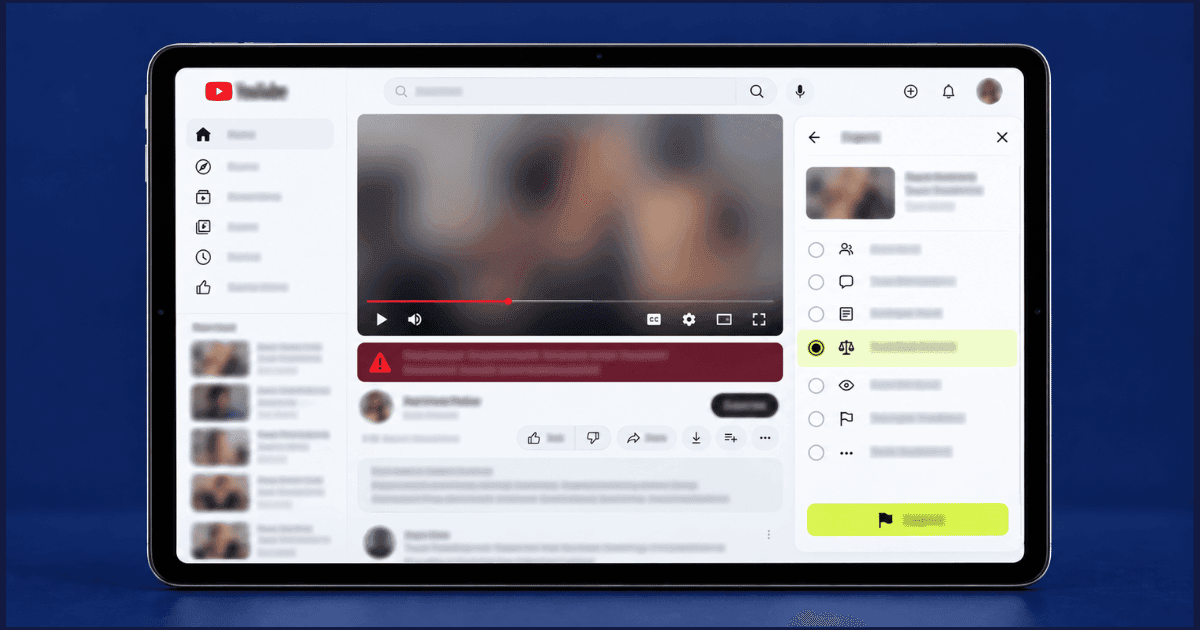
Knowing how to remove defamation on YouTube is important because a video making false claims about you can be harder to address than a post on a social platform. Video can be persuasive in a way that text is not, YouTube results can rank strongly in search, and the platform’s policies draw a sharper line between opinion and false factual claims than many people expect. Removing the video therefore depends less on how unfair it feels and more on which policy or legal process applies to the content. This guide explains how to determine which removal route may apply, how to document the false statements and resulting harm properly, and what to do if the video remains online after your initial report.
Start by Classifying the Video
YouTube uses several separate reporting and removal processes, so the first step is identifying which one applies to the content. A video may be false or damaging without violating the Community Guidelines, but another route may be available if it includes harassment, private information, impersonation, copyrighted material, or statements that may be unlawful.
Harassment and cyberbullying. This route may apply when a video contains threats, prolonged or targeted abuse, doxxing, or other conduct covered by YouTube’s harassment policy. A critical opinion or isolated insult will not necessarily qualify, so identify the specific language or behaviour that may violate the policy.
Privacy. Use the privacy complaint process when the video reveals personal information or shows an identifiable image of you without consent in circumstances covered by YouTube’s privacy rules. Relevant material may include a home address, contact details, financial information, identification documents, or other sensitive details.
Impersonation. Report the channel when someone uses your name, image, branding, or identity in a way that could make viewers believe the channel or video belongs to you or your business.
Copyright. If the video reproduces footage, photographs, audio, or other original material that you own, copyright may provide a separate removal route. A copyright complaint should address the unauthorized use of your work rather than the false statements surrounding it. The YouTube DMCA takedown process explains the information a copyright owner or authorized representative may need to provide.
Legal removal request. If specific statements may be defamatory or otherwise unlawful in your jurisdiction, YouTube provides a legal complaint process. Identify the exact statements in the video or its metadata and explain the relevant legal basis instead of describing the entire video as defamatory.
Choose the route supported by the clearest evidence, and use more than one process only when the content genuinely raises separate issues. For example, a video containing false allegations and disclosing your home address may support both a defamation complaint and a separate privacy complaint.
Document Before You File
Whatever removal route you choose, the strength of the request depends on the evidence supporting it. Preserve the video and its surrounding details before contacting the uploader or submitting a complaint, since titles, descriptions, thumbnails, and even the video itself may be changed or removed.
- Save the complete video URL and note the timestamp of every disputed statement
- Preserve a lawful copy or screen recording where permitted
- Capture the title, description, thumbnail, channel name, and publication date
- Screenshot relevant comments, particularly those repeating the claim or escalating to threats
- Gather documents or other records showing why each factual statement is false
- Record any resulting harm, including lost work, cancelled arrangements, or messages you received
Keep the evidence in one secure folder and use filenames that include the date and platform. Timestamps are particularly important because YouTube’s defamation process requires complainants to identify the exact statements they consider defamatory. A focused record showing what was said, where it appears, and why it is false is more useful than a complaint describing the entire video in general terms. These records can also support the later steps for removing defamatory content.
Filing the Request
YouTube’s reporting and removal documentation explains the available reporting routes and the forms connected to them. Choose the process that matches the issue you documented rather than submitting the same explanation through several unrelated categories.
For a defamation complaint, submit the request as the affected person or through an authorized legal representative. Identify the exact statements you consider defamatory, including where they appear in the video, title, description, or other metadata. General descriptions such as “the entire video is defamatory” do not give the reviewer the specific information required to assess the complaint.
Keep the explanation factual and focused. For example, identify the statement, provide its timestamp, explain why it is false, and attach the record supporting your position. Separate each disputed claim instead of combining several allegations into one long narrative.
After submitting the request, save the confirmation email, complaint reference, and a copy of everything you provided. If YouTube does not identify a violation under the selected route, review the response before filing anything further. A different process should be used only when the content genuinely raises a separate privacy, copyright, harassment, impersonation, or legal issue.
Need Expert Help?
Our team has resolved thousands of cases. Get confidential support now.
When the Video Stays Up
A rejected report does not necessarily mean that every available removal route has been exhausted. Review the response, compare the content with the requirements of each process, and decide whether a separate policy or legal issue genuinely applies.
Use a Different Reporting Route When Appropriate
A Community Guidelines report, privacy complaint, copyright request, and legal complaint are separate processes with different requirements. If one route does not apply, another may still be relevant. For example, a video that remains online after a harassment report may separately qualify for a privacy complaint if it exposes personal information without consent. Do not submit another request unless you can identify the specific facts supporting that route.
Consider Legal Advice
Defamation law varies between jurisdictions, including how opinion is distinguished from fact, who must prove whether a statement is true or false, and which remedies are available. A licensed lawyer in your jurisdiction can assess whether the statements and evidence support further action. The American Bar Association provides legal resources and referral options for US residents.
A formal legal notice may be appropriate in some cases, but its suitability and likely effect depend on the statements, available evidence, identity of the uploader, and applicable law. It should not be treated as a guaranteed route to removal.
Address the Search Results
Even when a video remains available on YouTube, its visibility in search results may still be addressed. This can matter when the main harm occurs as people search for your name, business, or professional history. Work on the search layer can run alongside platform and legal requests through negative search result removal, particularly when the original video cannot be removed immediately.
Do Not Engage in the Comments
Avoid arguing with the uploader or viewers beneath the video. Public replies may increase engagement, draw more attention to the content, and create additional statements that remain associated with your name. If a public response is necessary, keep it brief and factual, publish it through your own channel, and avoid linking directly to the disputed video.
When the Video Is About a Business
Videos about a business still require a distinction between opinion and factual assertion. A negative review or recommendation to avoid a company will not necessarily support removal, while specific claims about criminal conduct, professional licences, fabricated evidence, or altered documents may require closer review. Preserve each disputed statement and gather records showing why it is false.
Also document any measurable commercial harm, such as cancelled agreements, lost enquiries, or customer messages referring to the video. The appropriate response may involve a YouTube report, legal complaint, or action concerning search visibility. Broader online defamation removal may be relevant if the same allegation has spread to other websites or platforms.
Frequently Asked Questions
Will YouTube remove a video just because it is untrue?
Not for being unfair or negative. Removal depends on a policy breach, such as harassment, privacy violation, or impersonation, so the request should be framed around the specific policy.What is the difference between a privacy complaint and a defamation claim?
A privacy complaint concerns identifiable personal information appearing without consent and is handled by YouTube directly. A defamation claim is a legal route, usually slower and sometimes requiring a court order.Should I comment on the video or contact the uploader?
Contacting an uploader often produces a second video about being threatened. Platform complaints are not visible to the uploader and carry no such risk, which is why they come first.The video stays up after my report. What next?
Escalate with more specific evidence of the policy breach, address the search result separately, and consider legal advice if false factual statements are involved. Altahonos is not a law firm and does not provide legal advice.What if the video targets my business rather than me?
Business claims rest more on false factual statements and on trademark or privacy issues than on personal privacy policies. Documenting the specific false claims is what makes any route workable.Taking Action Against Defamation on YouTube
Knowing how to remove defamation on YouTube begins with preserving the video, recording the exact timestamps of each disputed statement, and identifying the reporting route that best matches the content. Submit a focused complaint supported by evidence, address search visibility in parallel, and consider legal advice in your jurisdiction when the statements are factual and damaging.
Precision matters more than repeatedly submitting the same report. If the video remains online, review YouTube’s response and determine whether a separate privacy, copyright, harassment, impersonation, or legal process genuinely applies. If you would prefer professional assistance with documenting the content, submitting removal requests, and addressing its visibility, YouTube video removal support is available.
About the Author
Altahonos Team
The Altahonos Team consists of cybersecurity and online reputation management specialists with extensive experience in digital threat mitigation and content removal strategies, helping individuals and businesses protect their digital presence.
Related Resources
Trusted by Thousands

Based on 587+ verified reviews