

How to Report Harassment on Instagram: Full Guide
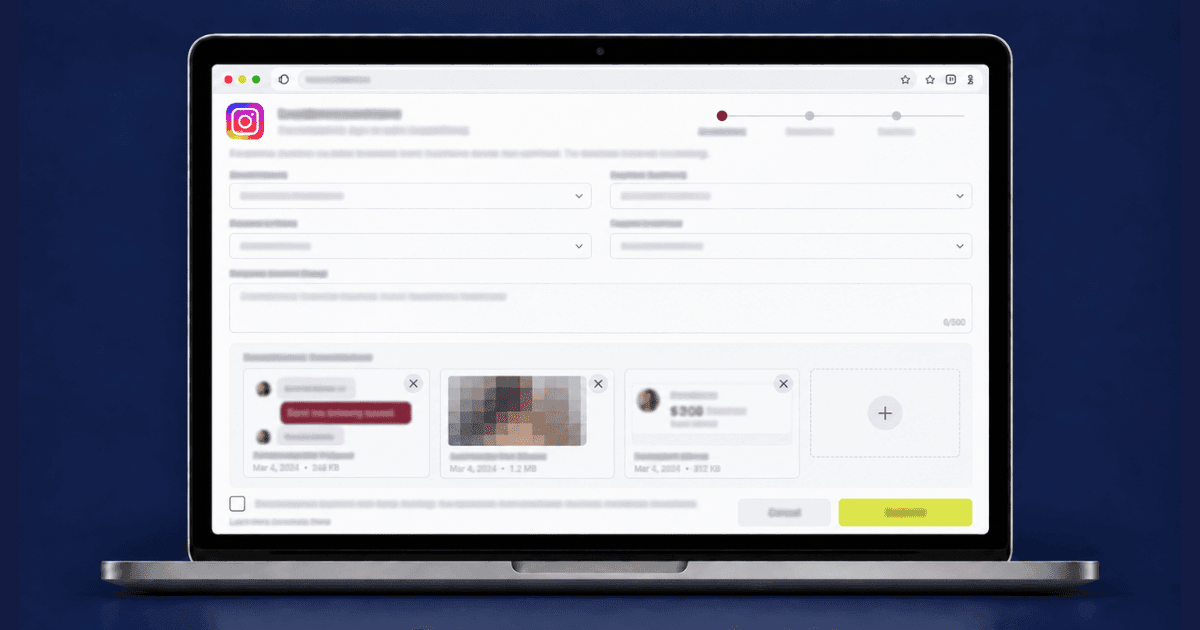
Reporting harassment on Instagram frustrates people for a reason that has nothing to do with how serious the harassment is. The outcome depends almost entirely on which reporting category you choose, and the category that feels right is often not the one that gets action. Instagram routes reports into different review systems with different thresholds, and a genuinely severe situation reported under a general category will be assessed against that category's rules rather than against how serious it actually feels to you. Knowing how to report harassment on Instagram in a way that actually gets reviewed can be the difference between a resolved situation and weeks of frustration. This guide covers how to report harassment on Instagram so it is actually reviewed, the tools that reduce contact without escalating the situation further, and what to do when reporting alone does not work.
Choose the Right Category
Instagram's reporting flows separate into routes that behave differently, and picking the wrong one is the single biggest reason a legitimate report goes nowhere. The platform does not review every report the same way; it routes each one into a separate queue with its own threshold for action, so the category you select changes both the speed and the likelihood of a response.
Bullying or harassment covers repeated unwanted contact, insults, and targeted abuse. It is the default choice and it has the highest threshold, because it requires a pattern rather than a single incident. If this is the only category that fits, make sure your report references more than one instance.
Threats of violence is a separate and far more urgent route. If any message references physical harm to you or anyone else, this is the category, and choosing it changes the speed of review completely; these reports are typically escalated well ahead of general harassment complaints.
Sharing private images covers intimate content shared or threatened without consent. This is among the most strongly enforced policies on the platform and it is prioritised. It applies to threats as well as to content already posted, so you do not need to wait until something is actually shared to use it; threats to post your pictures on Instagram can be reported before the content is published.
Pretending to be someone covers accounts impersonating you, which is treated as an identity matter rather than a harassment one. If the impersonation extends beyond Instagram, knowing how to report identity theft can help you understand the reporting options available outside the platform.
Hate speech applies where abuse targets a protected characteristic, and it is assessed against different rules from general harassment, with its own dedicated review team.
Reporting under the most specific accurate category is more effective than reporting under several at once, which can dilute the report and slow it down. If the behaviour spans categories, report each piece of content under the category that actually fits it, rather than filing one report under everything that seems relevant.
Report Content, Not Just Accounts
This is the distinction that decides most outcomes, and it is the part most people get wrong without realising it.
Accounts vs. Content
Reporting an account asks Instagram to assess the account as a whole, which is a high bar; the platform has to weigh the entirety of someone's activity against its policies before it will act on the account level. Reporting individual pieces of content asks it to assess specific material against a specific rule, which is a much more tractable question and typically moves faster through the review queue.
Report each offending comment, message, story, and post separately, even if it feels repetitive to do so. A pattern of content level reports builds a record against the account that a single account level report does not; reviewers can see exactly what was flagged, when, and under which category, which strengthens any later escalation.
Reporting Direct Messages
Direct messages can be reported from within the conversation by tapping and holding the message and selecting report. Many people do not realise this option exists and report the profile instead, which loses the message content entirely from the review process, since a profile report does not carry the specific message as evidence.
When Harassment Spans Multiple Formats
If the harassment spans multiple formats, such as comments on a post and separate direct messages, report both, and keep them as separate reports rather than trying to describe everything in one submission. Each report is reviewed against the specific content attached to it, so consolidating everything into a single report weakens the evidence attached to each individual piece.
Document Before You Report
Once content is removed or the account is deleted, your access to it usually goes with it.
- Screenshot each piece of content with the username and timestamp in the same frame
- Save direct message threads in full, scrolling so the sequence is visible
- Record the account handle as text, and the profile URL
- Note the dates, which establish the pattern that harassment reports require
- Keep a simple log if this is ongoing, listing date, account, and what happened
If the harassment moves to new accounts, which is common once the original one is reported or blocked, the log becomes the most valuable thing you have, both for further reports and for any police report. It also shows a pattern of behaviour rather than an isolated incident, which changes how seriously a report is taken. Store copies somewhere outside the app itself, such as a cloud folder or email to yourself, so a lost or wiped phone does not also mean lost evidence.
Need Expert Help?
Our team has resolved thousands of cases. Get confidential support now.
Use Restrict Before Blocking
Instagram's restrict feature is underused and often the better first move, especially while you are still deciding how far to escalate a situation. Restricting an account hides its comments from everyone except the person who wrote them, moves its messages to a separate request folder where you can read without replying, and hides your activity status from them so they can no longer see when you are online. Crucially, they are not notified when you restrict them, so the change happens quietly on your side without provoking a reaction.
Blocking is visible in effect. Many harassers escalate when blocked, creating new accounts or moving to other platforms. Restrict removes the audience and the feedback without triggering that reaction, which is often what actually ends the behaviour. Also available: limiting comments and message requests from accounts that do not follow you or followed you recently, turning off comments on individual posts, and filtering specific words from comments and requests. During an active situation, these reduce exposure far faster than any report. The Instagram Help Centre documents each of these controls and the reporting routes attached to them.
When Reports Do Not Work
Take It Beyond Instagram
Schools, employers, and professional bodies have obligations that Instagram does not, and a documented log changes those conversations entirely; where harassment includes threats, stalking behaviour, or intimate content, it is a police matter, and the StopBullying.gov resources set out when online abuse crosses into conduct that should be reported to authorities — and separately, harassment sometimes leaves content indexed under your name long after the accounts themselves are gone, which is a different task from platform reporting altogether; a professional online harassment removal service can address that by combining content removal with ongoing monitoring for new accounts.
When Harassment Involves Intimate Content
This changes the priority order entirely. Report under the private images category rather than harassment, because intimate-content reports fall under a more specific policy and may receive priority review. Do not negotiate with the account, do not pay anything demanded, and preserve evidence before blocking. Threats involving intimate content can also have legal consequences depending on the jurisdiction and how the material was obtained or used. Knowing how to stop blackmail on Instagram can help you respond in the right order, while cases of Instagram sextortion may require additional removal and reporting steps if the content has already been shared.
Taking Action Now
To report harassment on Instagram effectively, report individual pieces of content rather than only the account, choose the most specific accurate category — especially threats or private images — screenshot everything with usernames and timestamps before reporting, restrict rather than block while you are still gathering evidence, and set your account private while filtering comments and message requests.
Reporting harassment on Instagram is a process that rewards precision. The same situation, reported under the right category with the right evidence, produces a different outcome from a general complaint about an account. Support with Instagram blackmail and ongoing harassment is available if the situation is not improving.
About the Author
Altahonos Team
The Altahonos Team consists of cybersecurity and online reputation management specialists with extensive experience in digital threat mitigation and content removal strategies, helping individuals and businesses protect their digital presence.
Related Resources
Trusted by Thousands

Based on 443+ verified reviews