

How to Stop Sextortion Emails: Complete Defense Guide
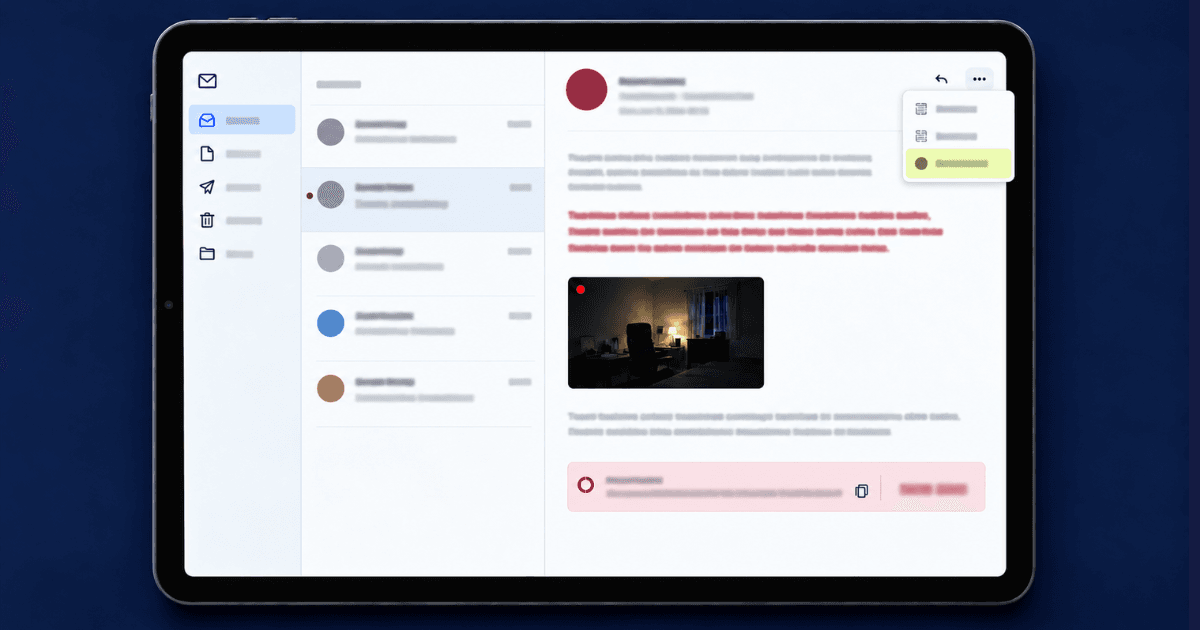
Email sextortion has become one of the most common forms of online blackmail. Criminals send threatening emails claiming to have compromising videos or images, demanding payment to prevent distribution. Most email sextortion is a scam with no actual content, but real threats also occur. This guide helps you identify, respond to, and stop sextortion emails effectively.
Identifying Email Sextortion
Common Patterns:- Claims of hacked webcam or device
- Mentions of visiting adult websites
- Threatens to send video to contacts
- Demands Bitcoin or cryptocurrency payment
- Creates false urgency with short deadlines
- May include old password to seem credible
Two Types:
Scam Sextortion (Most Common):- Mass-sent to thousands of people
- Generic threats with no specific details
- No actual content exists
- Uses fear to extract payment
- Empty threats that won't be carried out
- Specific details about you or content
- References actual conversations or relationships
- May include screenshots as "proof"
- Targeted individual threats
- Higher risk of actual distribution
Immediate Response Steps
For Scam Emails (No Real Content):
- Do NOT respond to the email in any way
- Do NOT pay the demanded amount
- Mark as spam in your email client
- Delete the email
- Change passwords if old password was mentioned
- Report to FBI IC3 for tracking
For Real Threats (They Have Actual Content):
- Do NOT respond to threats
- Do NOT pay anything
- Preserve the email as evidence (screenshot and save original)
- Document all details (sender, demands, timeline)
- Report immediately to law enforcement
- Secure all online accounts
Recognizing Scam vs. Real Threat
Scam Indicators:- Generic "I have video of you" without specifics
- Claims of hacking but no proof
- Mass email format with poor grammar
- Bitcoin payment only
- Email sent to many recipients
- No actual evidence attached
- Specific reference to actual content or conversations
- Screenshots or samples provided
- Knows personal details (real name, location, contacts)
- Personalized threats
- References specific platform where content was shared
- Sent to your personal email, not work/public email
How Scammers Got Your Information?
Common Sources:- Data breaches (username/password pairs)
- Hacked website databases
- Public email lists
- LinkedIn or professional networks
- Purchase from dark web markets
- Password is from old data breach
- Change it immediately everywhere it's used
- Enable two-factor authentication
- Check Have I Been Pwned to see which breaches included your data
- Update all accounts using that password
Reporting Email Sextortion
FBI Internet Crime Complaint Center (IC3):- 1. Visit IC3
- 2. Select "File a Complaint"
- 3. Choose "Extortion" category
- 4. Include full email text
- 5. Provide Bitcoin address if included
- 6. Upload screenshots
- Forward to phishing@apwg.org (Anti-Phishing Working Group)
- Report to reportphishing@apwg.org
- File complaint with FTC
- Gmail: Report as phishing
- Outlook: Report as junk/phishing
- Yahoo: Report spam
- Others: Use platform abuse reporting
Protecting Yourself from Email Sextortion
Immediate Security:- Change email password
- Enable two-factor authentication
- Review account security settings
- Check for email forwarding rules
- Scan devices for malware
- Don't click links in suspicious emails
- Don't open attachments from unknown senders
- Verify sender addresses carefully (hover over to see real address)
- Use strong, unique passwords for each account
- Regularly update passwords
- Limit sharing of email address publicly
- Use disposable email addresses for risky sites
- Consider alias email addresses
- Regular security audits
- Monitor credit reports for identity theft
Need Expert Help?
Our team has resolved thousands of cases. Get confidential support now.
If You Already Paid
Take These Steps:
- Report to law enforcement immediately
- Contact your bank or payment processor
- Document the transaction for police reports
- Watch for follow-up demands (payment often triggers more)
- Don't pay again if they return with new threats
Important: Payment often leads to escalating demands and marks you as a profitable target for future scams. In cases where threats persist, getting help to get rid of sextortion can make a real difference.
Real Email Sextortion Response
If Threat is Legitimate (They Actually Have Content):
Immediate Actions:- 1. Stop all communication
- 2. Save complete email with headers
- 3. Document sender information
- 4. Record specific threats and demands
- 5. Note deadline given
- File report with local police
- Report to FBI IC3
- Provide all email evidence
- Request detective follow-up
- Get case number
- Secure all social media accounts
- Change passwords everywhere
- Enable two-factor authentication
- Restrict privacy settings
- Monitor for content distribution
- Consult attorney for legal options
- Consider crisis counseling
- Access victim support services
- If needed, a leaked content removal service can help you.
Understanding the Psychology
Why These Scams Work?- Shame and embarrassment prevent reporting
- Fear of exposure creates panic
- Urgency limits rational decision-making
- Isolation makes victims vulnerable
- You are not alone (millions receive these emails)
- Law enforcement takes this seriously
- Most threats are empty scams
- Not paying is the right choice
- Reporting helps stop criminals
Special Scenarios
Work Email Sextortion:- Report to IT security team
- Don't use work email for personal matters
- Separate work and personal accounts
- Company may have additional reporting requirements
- May be from actual relationship or encounter
- Follow real threat protocols
- Consider restraining orders if known person
- Document all contact attempts
- Report to hosting platforms immediately
- Submit DMCA takedown requests
- Contact image removal professionals
- Update law enforcement
- Consider civil legal action
Preventing Future Email Sextortion
Best Practices:- Never share intimate content electronically
- Use video call privacy carefully (cover webcam when not in use)
- Verify identities before engaging intimately online
- Understand nothing is truly private once shared
- Regular security awareness
- Updated antivirus and anti-malware
- Firewall enabled
- Operating system updates current
- Secure browsers with privacy extensions
- Webcam covers for physical security
Recovery and Moving Forward
If It Was a Scam:- Recognize it was an attempt that failed
- Learn from the experience
- Update security practices
- Don't dwell on it, move forward
- Access professional counseling
- Process the experience with support
- Implement comprehensive security changes
- Consider joining support groups
- Remember: you're a victim, not at fault
What to Do Next: Stay Calm and Take Control
Most email-based blackmail attempts are mass-sent scams with no actual content. The correct response is: don't respond, don't pay, report to authorities, and move on. For real threats with actual content, immediate comprehensive response including law enforcement involvement and account security is essential. Whether dealing with a scam or real threat, payment never resolves the situation and often makes it worse. Take action to protect yourself, but remember that most of these threats are empty attempts designed to exploit fear. If you're being blackmailed and need immediate assistance, our expert team provides 24/7 confidential support to stop threats and protect your privacy.
About the Author
Altahonos Team
The Altahonos Team consists of cybersecurity and online reputation management specialists with extensive experience in digital threat mitigation and content removal strategies, helping individuals and businesses protect their digital presence.
Related Resources
Trusted by Thousands

Based on 488+ verified reviews