

Celebrity Imposter Scams: How Fake Star Accounts Trick Fans
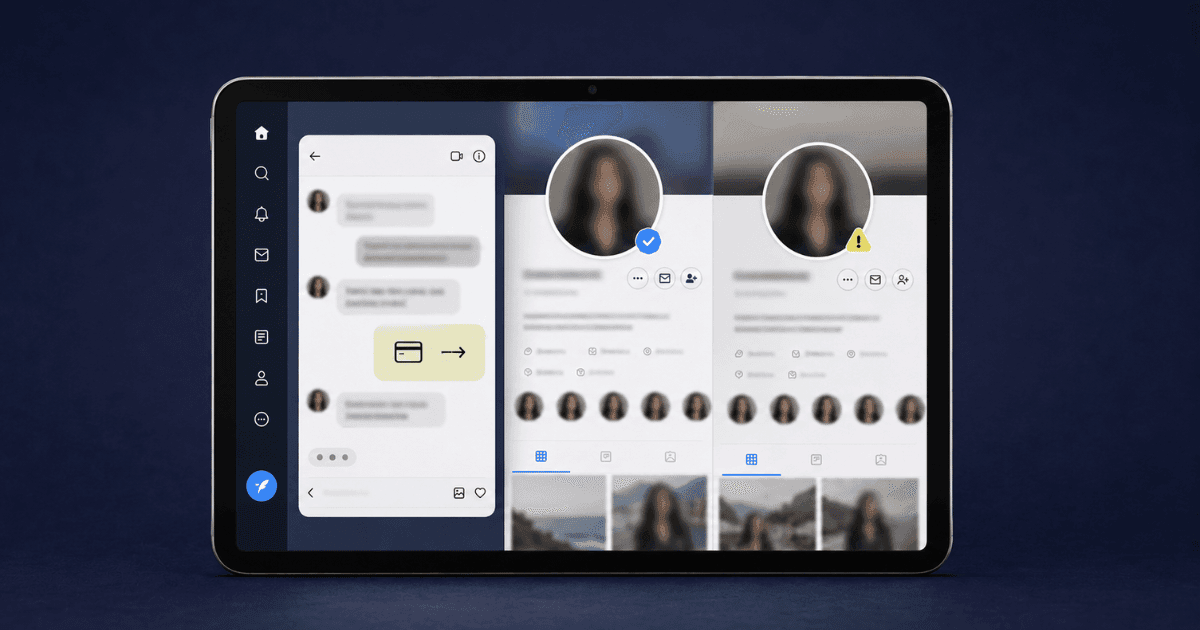
Celebrity imposter scams often start with a message that feels too good to be true. A message arrives from your favorite musician, actor, or athlete. The profile photo looks right, the account seems verified, and the note is warm and personal. It says you have been chosen as a special fan, or that the star noticed your comment and wanted to connect directly. It feels flattering and thrilling. It is also almost certainly a scam. These scams are among the most common forms of online fraud, and they work by borrowing trust and admiration you already feel for a public figure. Understanding how they operate makes them much easier to spot and shrug off. This guide explains the mechanics, the warning signs, and what to do if you or someone you know has been targeted.
How Celebrity Imposter Scams Work
Celebrity impersonation scams follow a core structure that's simple, but effective enough to fool even careful, media-savvy people. A fraudster builds an account that impersonates a well known celebrity, then reaches out to fans directly, usually through direct messages on social platforms or messaging apps. The goal is to build a sense of personal connection, then convert that connection into money or intimate content.
A typical script unfolds in stages. First comes the hook: a message claiming to be from the celebrity or their team, often saying you won a fan contest or were personally selected. Then the bond forms, the imposter chats regularly, remembers details, and makes you feel special, something real celebrities rarely if ever do with individual fans through private messages. Eventually the ask appears: a fee to join an exclusive fan club, money for a supposed meet and greet, gift cards to help with a temporary problem, or a charitable donation to a cause the star supports. If you pay once, the requests continue and grow, and in some cases the scammer pushes the conversation toward flirtation and asks for intimate photos, which can then be used for extortion.
The emotional pull is the real engine behind all of this, more than any technical trick or convincing profile photo. Because you admire the person the account is imitating, your normal caution can slip in a way it never would with a stranger, and that gap between how you'd treat an unknown account versus a beloved public figure is exactly what the scam is built to exploit.
Common Red Flags
Once you know the pattern, the warning signs stand out clearly. Be cautious whenever you notice any of the following.
- Unsolicited contact from a famous person. Genuine celebrities almost never initiate private messages with individual fans asking for anything.
- Any request for money. Real stars do not ask fans for cash, gift cards, cryptocurrency, or donations through direct messages.
- A verified fan club that costs money to join. Fake exclusive clubs and paid fan memberships arranged over DM are a classic tactic.
- Pressure and urgency. Scammers push you to act fast so you do not stop to think or check with others.
- Requests to move to a private app. Moving the chat to a less moderated platform makes it easier to manipulate you and harder for the real platform to intervene.
- Odd account details. Look for slightly misspelled handles, very recent creation dates, few genuine posts, or a follower count that does not match a real star.
- Requests for intimate photos or videos. This is a serious warning sign, since such material is frequently used to extort victims afterward.
If a conversation shows several of these signs at once, treat it as a scam and disengage.
What to Do If You Are Targeted
If you receive one of these messages but have not sent anything, the situation is easy to handle. You do not need to reply or confront the person. Simply:
- Stop responding.
- Take screenshots of the profile and messages in case you want to report it.
- Block the account.
- Report the profile to the platform as an impersonation.
Trust your instincts. If something feels off, that feeling is usually correct.
Need Expert Help?
Our team has resolved thousands of cases. Get confidential support now.
What to Do if You Have Already Been Scammed
If you have already sent money or personal information, please do not be hard on yourself. These scams are engineered to exploit genuine emotions, and intelligent, careful people fall for them every day. What matters now is acting steadily: stop all contact and payments, even if the scammer threatens or pleads, and preserve evidence by keeping the messages, usernames, profile links, and any payment records or receipts. Contact your bank or payment provider if you paid recently, since they may be able to help, and gift card issuers sometimes freeze funds if you report quickly. Change any passwords you shared or reused, and enable extra sign-in security on those accounts.
In the United States you can report to the FBI at IC3 and to the Federal Trade Commission at reportfraud.ftc.gov. Reports help authorities track these networks even when recovery is uncertain; reporting a dating scammer generally follows the same steps, since the platforms and agencies involved are largely the same.
If the Scam Turns Into Extortion
Sometimes a celebrity imposter scam shifts from asking for money to threatening you, especially if you shared intimate photos during the conversation. The scammer may demand payment to keep the material private, or threaten to send it to your friends, family, or workplace if you don't comply. This is extortion, not just fraud, and the two call for a different mindset: the goal is no longer just protecting your wallet, it's protecting yourself from an ongoing threat that can escalate the moment you engage with it.
The safest response is usually to stop paying and preserve evidence rather than negotiate. Paying rarely ends the threats and often invites more, since it confirms to the scammer that pressure works on you specifically. Arguing or pleading with the person tends to have the same effect, giving them more material to work with rather than talking them out of anything. If you find yourself in this position, celebrity sextortion cases follow a pattern worth understanding before you decide how to respond, since the specifics of how these threats unfold and resolve differ enough from generic extortion that it helps to know what to expect. Getting help early tends to lead to calmer, better outcomes than trying to manage the pressure alone.
Protecting Yourself Going Forward
A few simple habits make you a much harder target for imposters of every kind. Assume any celebrity who direct messages you asking for money or photos is fake, and verify claims through official channels rather than through the account contacting you. Keep your social accounts private enough that strangers cannot study your life to manipulate you, and talk about it: scammers rely on secrecy and embarrassment, so mentioning a strange message to a friend often breaks the spell.
Celebrity imposter scams thrive on excitement and trust, but they fall apart the moment you pause and check. Real stars are not sliding into fan DMs to ask for gift cards. When admiration meets a request for money or private photos, step back, verify, and if things have already gone further than a simple scam, report extortion through the right channels rather than trying to manage it alone. That small pause is your strongest protection.
About the Author
Altahonos Team
The Altahonos Team consists of cybersecurity and online reputation management specialists with extensive experience in digital threat mitigation and content removal strategies, helping individuals and businesses protect their digital presence.
Related Resources
Trusted by Thousands

Based on 443+ verified reviews