

Instagram Romance Scams: How They Work and What to Do
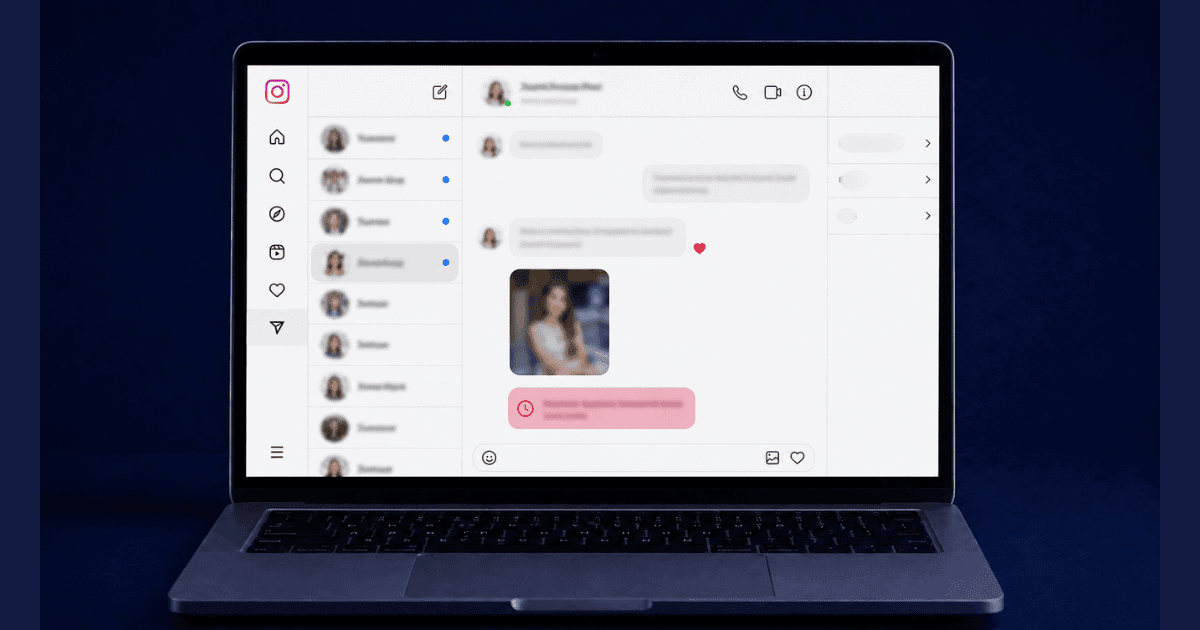
Instagram can feel like a natural place to meet someone. A thoughtful comment, a friendly direct message, a few shared interests, and suddenly you are talking every day with a person who seems genuinely interested in you. Romance scams thrive in exactly this space, because the platform makes strangers feel familiar and trust builds fast. These schemes are carefully run, emotionally convincing, and designed to separate you from your money or your privacy. Understanding how they operate is the strongest protection you have. This guide explains the typical playbook, the red flags to watch for, how to verify who you are really talking to, and what to do if you have already been scammed.
How Instagram Romance Scams Happen
Most romance scams follow a familiar sequence, whether run by an individual or an organized group managing many conversations at once.
How They First Reach Out
It usually starts with a direct message or a like on your recent posts. The profile looks appealing and often shows an attractive person with a lifestyle that feels aspirational but not impossible: travel photos, a job that keeps them abroad, a warm and confident tone. The account may have a modest number of posts and followers, which is easy to overlook when someone is paying you flattering attention.
Love-bombing
Once you respond, the affection escalates quickly. The person messages constantly, calls you special, and talks about a future together within days. This intense attention, sometimes called love-bombing, is deliberate. It creates a sense of closeness that would normally take months, and that manufactured intimacy is what makes the later requests work. Recognizing these patterns is one of the most effective ways of avoiding dating app scams before they escalate.
Moving off-platform
Soon the person suggests moving the conversation to WhatsApp, Telegram, or another private app. The reason given is usually harmless sounding, like preferring to text or worrying about their account. The real purpose is to leave Instagram's monitoring and reporting tools behind and continue in a space they control.
Then Comes the Request
Eventually a request arrives. In money focused scams, there is a sudden emergency: a medical bill, a stuck shipment, a travel problem, or a can't-miss investment they want to share with you. In sextortion focused scams, the person encourages intimate photos or a video call, then uses that material to demand payment under threat of exposure. Some scams blend both, starting with romance and escalating to threats; once actual threats enter the picture, Instagram blackmail becomes the more accurate way to describe what's happening, and the response shifts accordingly.
Red Flags to Watch For
- The profile is new, has few posts, or the photos look like a professional model or stock imagery
- Affection escalates far faster than the relationship would justify
- They quickly push to move off Instagram to a private messaging app
- They avoid live video calls or the calls are brief and low quality
- The story always involves being far away: overseas work, military deployment, or travel
- Money enters the conversation, whether an emergency, a loan, or an investment tip
- They ask for intimate photos or steer toward explicit video calls
Any one of these alone is not proof, but several together are a strong signal that something is wrong.
Verify Before You Trust
Verification is not about being paranoid. It is a reasonable step before trusting a stranger with your money or your privacy.
- Do a reverse image search. Save their profile pictures and run them through a reverse image search. If the same photos appear under different names, the profile is fake.
- Ask for a live video call. Scammers using stolen photos will make excuses to avoid real time video. A genuine person will usually be happy to say hello on camera.
- Look at the account closely. Check the creation date, the ratio of followers to posts, and whether comments come from real interactions or look generic.
- Notice inconsistencies. Details that shift over time, odd phrasing, or answers that dodge simple questions are worth paying attention to.
- Slow down. Scammers rely on urgency and emotion. Giving yourself a day to think is often enough to see the situation clearly.
Trusting your instincts matters here. If something feels off even when you cannot name why, that feeling is worth respecting.
Need Expert Help?
Our team has resolved thousands of cases. Get confidential support now.
If You've Already Been Scammed
If you have already sent money, shared intimate content, or realized the relationship was a setup, the most useful thing you can do is act calmly and deliberately. Feeling embarrassed is common, but these schemes are built by people who do this professionally, and being deceived is not a failure of intelligence.
Stop and Preserve
- Stop sending money and end the conversation about any further payment
- Do not delete messages, profiles, or payment records, since these are your evidence
- Take screenshots of the profile, usernames, the chats, and any payment details or links
Secure Your Accounts
- Change your Instagram password and any other account that shares it, and make each password unique
- Turn on two factor authentication, starting with your email and Instagram
- Review who can message you and tighten your privacy settings so strangers cannot direct message you freely
- If intimate content is involved, set your profiles to private and reduce what a stranger can learn about your identity and location
Report the Scam
- Report the profile to Instagram using its in-app reporting tools
- File a report with law enforcement in your country. In the United States, you can submit details to the FBI Internet Crime Complaint Center at ic3.gov
- If you sent money, contact your bank or payment provider quickly, since some transactions can be flagged or stopped
- Keep your evidence organized in case investigators request it
Instagram romance scams are just one variation of a much broader problem. The same manipulation techniques appear across many forms of online dating scams, from fake military personas to overseas business emergencies, so the same reporting and recovery principles apply regardless of where the scam begins.
When It Turns Into Blackmail
Some Instagram romance scams turn into extortion, with the scammer threatening to share private photos or messages unless you pay. If that is your situation, do not pay, preserve everything, and focus on securing your accounts and reporting. Paying rarely ends the demands and often invites more; at that point, you're no longer dealing with a romance scam so much as Instagram blackmail, and the response needs to shift accordingly. The same warning signs and account security measures used to prevent Instagram blackmail scams also reduce the risk of a romance scam escalating into extortion.
Get Professional Help for Instagram Romance Scams
Instagram romance scams work by borrowing the feeling of a real relationship and using it against you. The defense is not cynicism toward everyone you meet online, but a habit of verifying before you trust, slowing down when someone pushes for speed, and recognizing the patterns early. If you have already been caught in one, remember that clear steps still put you back in control. Preserve your evidence, secure your accounts, and report what happened through the right channels. Altahonos supports people dealing with the aftermath of romance scams and related extortion, from evidence preservation to content monitoring and removal. Reach out for coordinated romance scam response, especially in cases involving ongoing threats, spreading content, or contact with people you know.
About the Author
Altahonos Team
The Altahonos Team consists of cybersecurity and online reputation management specialists with extensive experience in digital threat mitigation and content removal strategies, helping individuals and businesses protect their digital presence.
Related Resources
Trusted by Thousands

Based on 441+ verified reviews