
Nigerian Dating Scams: Warning Signs and What to Do
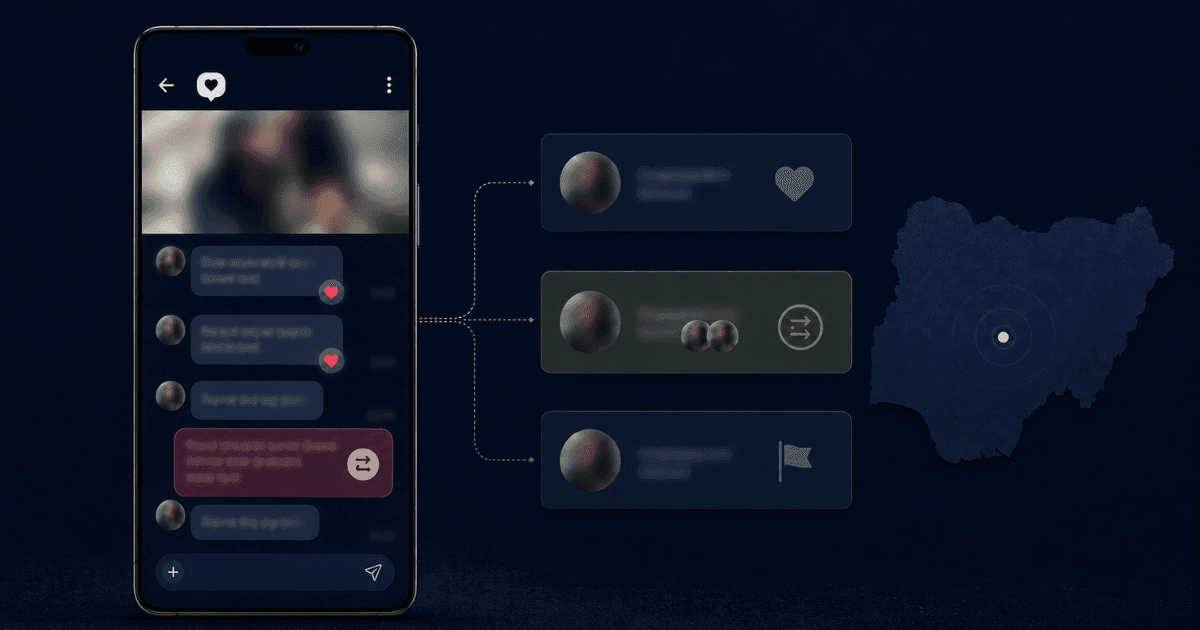
Nigerian dating scams is the phrase people search for, but it is worth being precise about what the term describes. It refers to a well-documented set of romance fraud methods involving stolen identities, fabricated emergencies and escalating requests for money, not to a nationality itself. Similar methods are now used by organised networks and smaller operations across several continents, while Nigerian authorities also investigate and prosecute romance fraud cases. What matters practically is the method, because the warning signs and appropriate response remain the same regardless of where the person behind the account is located.
How Nigerian Dating Scams Usually Work
Nigerian dating scams often begin with a fabricated profile built around photographs taken from a real person’s social media account. The identity is supported by a story that explains why meeting is difficult, such as military deployment, offshore engineering, international contracting or medical work abroad. The same story may also explain poor-quality video calls, irregular communication and the financial emergency that appears later. Affection usually develops before basic details can be verified, with early declarations of love, pet names and conversations about a shared future. The conversation is then moved from the dating platform to a private messaging app, reducing the platform’s ability to review the interaction through its own reporting process.
The first request may involve a phone top-up, customs fee, travel problem or medical bill. It is often presented as a temporary emergency with a promise of repayment. If money is sent, new problems may follow and the requested amounts can increase over time. When payments stop, the person may use guilt, anger or another emergency to maintain pressure. Some victims are later contacted by someone offering to recover the money for an upfront fee. That approach may come from the original operation or another scammer using information shared after the initial fraud.
Why These Scams Work on Careful People
The scam is framed as a relationship rather than a financial transaction. You are not being asked to assess a payment from a stranger; you are being asked to help someone you believe you know and care about. Doubt can therefore feel like disloyalty, and requests that would appear suspicious in another context may seem reasonable when attached to an emotional story.
Time strengthens that effect. Some scammers spend weeks or months building trust before requesting money. By that stage, the relationship can feel genuine because the victim’s emotional investment is genuine, even though the person behind the account is using a false identity. Previous conversations, shared routines and promises about the future are then used to create urgency or guilt.
These crimes are not accepted simply because the label refers to Nigeria. The Economic and Financial Crimes Commission investigates and prosecutes romance fraud and related financial crimes in Nigeria. The practical focus should remain on recognising the method rather than making assumptions based on nationality.
Checks That Can Reveal a Dating Scam
Check the Identity Behind the Profile
Start with the clearest profile photograph and run a reverse image search. A match connected to another name or account is strong evidence that the identity was copied. Finding nothing does not prove that the profile is genuine because images may be altered, cropped or recently stolen. Compare the person’s name, age, location and occupation across their available profiles. Knowing how to spot a catfish on dating apps can help you combine these checks with other inconsistencies in the profile and conversation.
Test the Story in Real Time
Ask specific questions about the person’s claimed location, work and daily routine, then compare the answers over time. Request a video call through the dating platform before moving elsewhere or sharing your phone number. During the call, ask the person to respond naturally to something happening in the moment. A brief or poor-quality call is not sufficient verification because recorded or manipulated footage may be used to support a false identity.
Keep Money Out of the Relationship
Treat any request for money, gift cards, cryptocurrency, travel fees or emergency expenses as a serious warning sign. Do not send a small payment as a test because an initial transfer can lead to further requests. Keep the conversation on the dating platform while checking the account so that its reporting tools and conversation history remain available. Knowing how to avoid online dating scams can also help you recognise these warning signs before money or personal information is exchanged.
Need Expert Help?
Our team has resolved thousands of cases. Get confidential support now.
If You Have Already Sent Money
Contact the Payment Provider Immediately
Contact your bank, card issuer, payment app or transfer service as soon as possible. Explain accurately that you were deceived into sending money to a scammer and provide the transaction details. Ask whether the payment can be stopped, recalled or reviewed for reimbursement. Recovery options depend on the payment method, provider and applicable local protections, but acting quickly may improve the chance of intervention.
Preserve the Account and Payment Records
Save the dating profile, username, profile URL, photographs, full conversation and every payment request. Keep the receiving account details, wallet addresses, transaction references, receipts and confirmation emails. Do not delete the conversation or block the account until the evidence has been preserved. Screenshots are useful, but downloading or exporting the conversation provides more context when the platform offers that option.
Report the Fraud and Expect Further Contact
Report the account to the dating platform and contact your national fraud reporting body or local police. INTERPOL supports cooperation between national police forces in cross-border cases, but reports should normally be made through the authorities in your own country. Be cautious if someone later claims they can recover the money for an upfront fee. Recovery scammers may obtain information from the original operation or target people whose losses have become known.
If It Turns Into Extortion
In some cases, the relationship leads to the exchange of intimate photographs or videos. When the victim refuses another payment or begins questioning the story, the person behind the account may threaten to send that material to relatives, friends, colleagues or social media contacts. At this point, the situation has changed from romance fraud to extortion and requires a separate response.
Do not pay or negotiate for the deletion of the material. A payment does not confirm that the files have been deleted and may lead to further demands. Preserve the threats, account details, profile links and any evidence showing who the material may be sent to. Report the account through the platform’s extortion or intimate-image abuse process, then contact local law enforcement or the appropriate national reporting body.
If anything has already been published, document the exact URLs before requesting removal. Reporting the threat and removing distributed material are separate processes and may need to continue at the same time. If you become a target of Nigerian blackmail, preserving evidence and addressing any published content may need to happen in parallel with the formal reporting process.
Frequently Asked Questions
Does the country on their profile tell me anything?
Very little. These operations run from many places and routinely display whatever location suits the story, so geography is not a useful screen in either direction. The checks that work are the reverse image search and whether anything verifiable connects the person to who they claim to be.We video called, so are they real?
A call confirms someone is on the other end, not that they are the person in the photographs. Short calls with poor connections, or calls using existing footage, are both common, and the call itself can be recorded.Can I get money back after a transfer?
It depends entirely on the channel, which is why speed matters. Card payments and some bank transfers can sometimes be disputed, while gift cards and crypto are chosen precisely because they usually cannot.Why always gift cards or crypto?
Because those routes are hard to trace and hard to reverse. A request to pay through either one is itself the clearest signal, regardless of how convincing the reason sounds.I know it was a scam but I still have feelings about it. Is that normal?
It is extremely common. The relationship was real to you even though the person was not, and the loss is genuine. That is worth treating as a loss rather than as something embarrassing.Taking Action Now
Nigerian dating scams follow a recognisable pattern: a stolen identity, a story that explains why meeting is difficult, emotional intensity before basic details can be verified and an eventual request for money. If you recognise these signs, stop sending money, preserve the profile and conversation, and report the account through the dating platform. If a payment has already been made, contact the relevant bank or payment provider immediately and keep every transaction record.
If intimate material is involved and the situation has turned into threats, do not pay for promises that the content will be deleted. Save the evidence, report the threat and begin removal if anything has been published. If you need professional help to stop Nigerian blackmail, the Altahonos team can assist with reporting, evidence preservation and content removal.
About the Author
Altahonos Team
The Altahonos Team consists of cybersecurity and online reputation management specialists with extensive experience in digital threat mitigation and content removal strategies, helping individuals and businesses protect their digital presence.
Related Resources
Trusted by Thousands

Based on 587+ verified reviews