

Cam Girl Scams: How to Avoid Getting Blackmailed
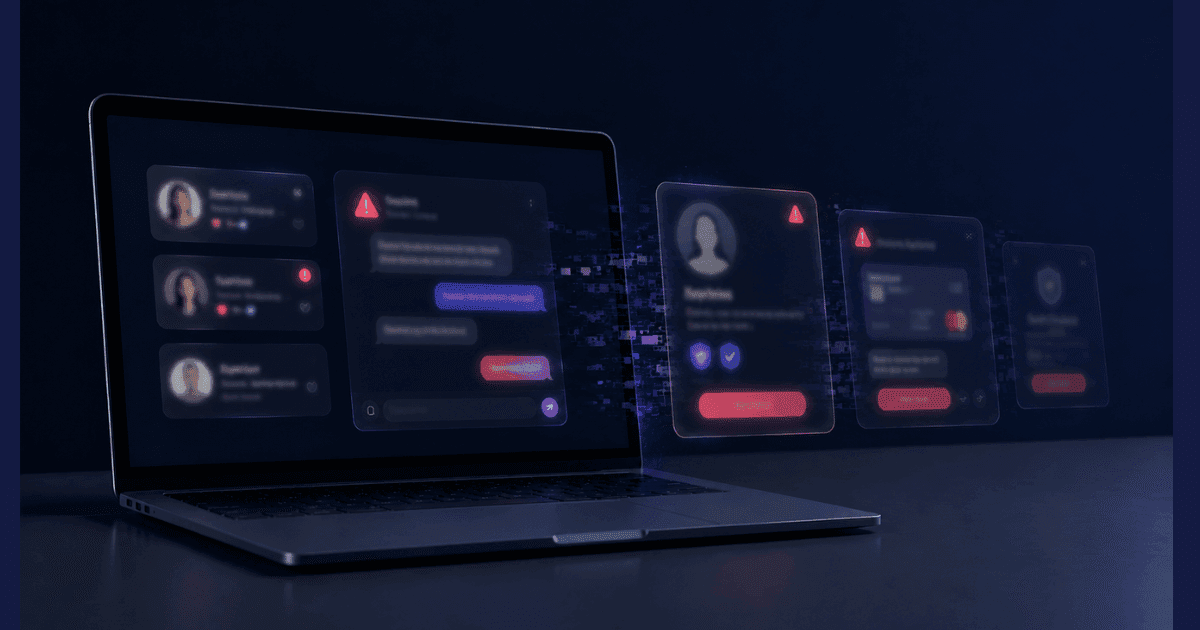
Knowing how to avoid a cam girl scammer starts with recognizing that these schemes combine fake performer profiles, recorded video calls, and sextortion attacks into a single coordinated fraud. The scams often appear on legitimate cam sites, social media, dating apps, and direct messaging platforms. Beyond financial loss, victims frequently face follow-up sextortion using video recordings or fake claims of compromising material. Avoiding these scams is mostly about understanding the patterns, verifying claims when possible, and never engaging with the high-risk patterns. This guide walks through the specific tactics scammers use and the defensive practices that protect against both financial and reputational harm.
Understand the Cam Girl Scam Landscape
Cam girl scams cluster into several recognizable patterns. The most basic is a fake performer profile built entirely from stolen photos of someone who doesn't actually run the account. From there, scammers often try an off-platform redirect, suggesting a move to Telegram or WhatsApp specifically to escape the protections a legitimate cam site provides. Payment scams involve pre-paid sessions that simply never happen, while recorded video sextortion turns an apparently normal session into blackmail material after the fact. Some scammers run "custom content" scams, charging for exclusive material that was never going to be delivered, or push cryptocurrency premium scams that request Bitcoin for a "private session" with no service on the other end. A fake escort variant also exists, where the cam girl persona gradually escalates into demands for payment tied to an in-person "meeting" that will never happen either, and many real cases blend several of these tactics rather than sticking to just one, which is part of why cam girl sextortion can escalate so quickly once it starts.
Recognize Fake Performer Profiles
Most cam girl scams start with a fake profile, and a few signs tend to give it away. The photos often look too polished, professional model quality with a suspiciously consistent style across every shot. Real performers usually have a visible streaming history, so an account with little or no live performance record is worth a second look, as is a profile that's sparse on detail where genuine performers tend to build out a fuller persona. Accounts created less than thirty days ago are a red flag on their own, and the same goes for profiles that are active on social media without any of the markers real cam professionals typically show, like links to verified cam platform profiles. Generic, template-sounding biography text that doesn't quite match a real person, combined with an absence of any reviews or testimonials that established performers naturally accumulate, rounds out the pattern. Reverse-image searching the photos often reveals they were stolen from social media or modeling sites entirely unrelated to the account.
Watch for the Off-Platform Pivot
The single biggest warning sign in any of these scams is being moved off the cam site itself. Cam platforms come with payment protections, terms of service, and dispute resolution built in; Telegram, Signal, WhatsApp, and Snapchat have none of that, which is exactly why scammers push so hard to get there. Once you're off-platform, you have no real recourse for payment disputes or harassment, and the move also makes it far easier for a scammer to record the interaction without any notification reaching you.
Staying on the original platform is the safest default unless you've specifically verified the performer, and even then, off-platform engagement carries meaningfully elevated risk.
Never Pre-Pay for Off-Platform Services
The simplest financial protection here is refusing to pay in advance for anything happening off-platform. Real cam sessions get paid through the platform itself, during the session, so "pay first, then we'll start" is almost always a scam in disguise. Cryptocurrency payments compound the risk since they're non-reversible and untraceable, gift card payments are close to a certain scam indicator on their own, and "premium private sessions" that require upfront off-platform payment follow the same pattern almost every time. If a "performer" demands upfront off-platform payment, disengage. Real performers earn through platform-mediated transactions, not advance payment promises.
Recognize Video Call Recording Setups
The recording-based sextortion pattern follows a consistent script. It usually starts with a suggested "free preview" or "test" video call, during which you're guided toward performing specific acts on camera. The session gets recorded using software that doesn't trigger any notification on your end, and once the call ends, the threat arrives: pay, or the recording goes to your contacts, family, or employer. A significant number of victims had already paid for the initial scam before the sextortion demand even showed up. Once webcam blackmail threats begin, responding quickly is far more effective than waiting to see whether the scammer actually follows through.
The real defense is simpler than it sounds: don't engage in any cam interaction with unverified performers, and don't perform on camera for anyone you can't confirm is real and operating within a legitimate platform.
Need Expert Help?
Our team has resolved thousands of cases. Get confidential support now.
Use Verified Platforms Only
Established cam sites run systems specifically designed to filter out most scams before they reach you. Major platforms like Chaturbate, MyFreeCams, OnlyFans, and Stripchat require performer verification, process payments directly, and handle disputes through their own systems, alongside content guidelines and abuse reporting that off-platform chats simply don't offer. Searching "[performer name] verified" alongside the cam site name is a quick way to confirm legitimacy, and it's worth extra caution around any profile found on social media or dating apps that claims to be a cam performer without a verified presence on an actual cam platform. Going off-platform means stepping outside the exact safety system built to handle this specific risk.
Don't Share Personal Information
Anything you share can end up weaponized in a later sextortion attempt. That means avoiding your real name, location, employer, or family details, along with keeping identifiable items like mail, ID, or family photos out of your background during any session. Connecting from a work computer or work network adds unnecessary risk too. A separate email and payment method dedicated specifically to adult content, such as a Privacy.com card, keeps your primary accounts insulated, and a VPN adds another layer of privacy if you want it. The less personal information a scammer has to begin with, the less leverage they have if a recording situation does happen.
If You're Being Sextorted After Cam Activity
If sextortion has already started, the response is the same as for any sextortion attack. Don't pay; payment only escalates further demands. Preserve every piece of evidence you can, including threats, profile information, and payment demands, and report the scammer to whatever platform they're operating on. File with law enforcement too: FBI IC3 in the US, Action Fraud in the UK, or the equivalent agency wherever you're located. Talking to someone you trust matters just as much as any official step, since isolation is the scammer's strongest weapon.
Coordinate Removal If Content Is Distributed
If the scammer follows through and starts distributing recorded content, speed matters. Submit takedown requests on every platform where the content appears, and add hashes to StopNCII for cross-platform blocking. File DMCA notices wherever applicable. If the content has already spread across multiple sites, video removal services can coordinate takedowns in parallel instead of you chasing each platform one by one.
Take Action and Stay Safe
Knowing how to avoid a cam girl scammer, and avoid getting blackmailed as a result, really comes down to a short list of disciplines: use verified platforms, refuse off-platform pivots, never pre-pay for anything, don't perform on camera for unverified contacts, and keep your personal information to yourself. These habits can feel restrictive, but they match the actual risk level of a well-organized scam industry. If you're being blackmailed after a cam scam, support is available, and there's no shame in being targeted by professionals who do this for a living. Resources are available 24/7 for both prevention guidance and active situation response.
About the Author
Altahonos Team
The Altahonos Team consists of cybersecurity and online reputation management specialists with extensive experience in digital threat mitigation and content removal strategies, helping individuals and businesses protect their digital presence.
Related Resources
Trusted by Thousands

Based on 488+ verified reviews