

How to Avoid Escort Extortion Scams
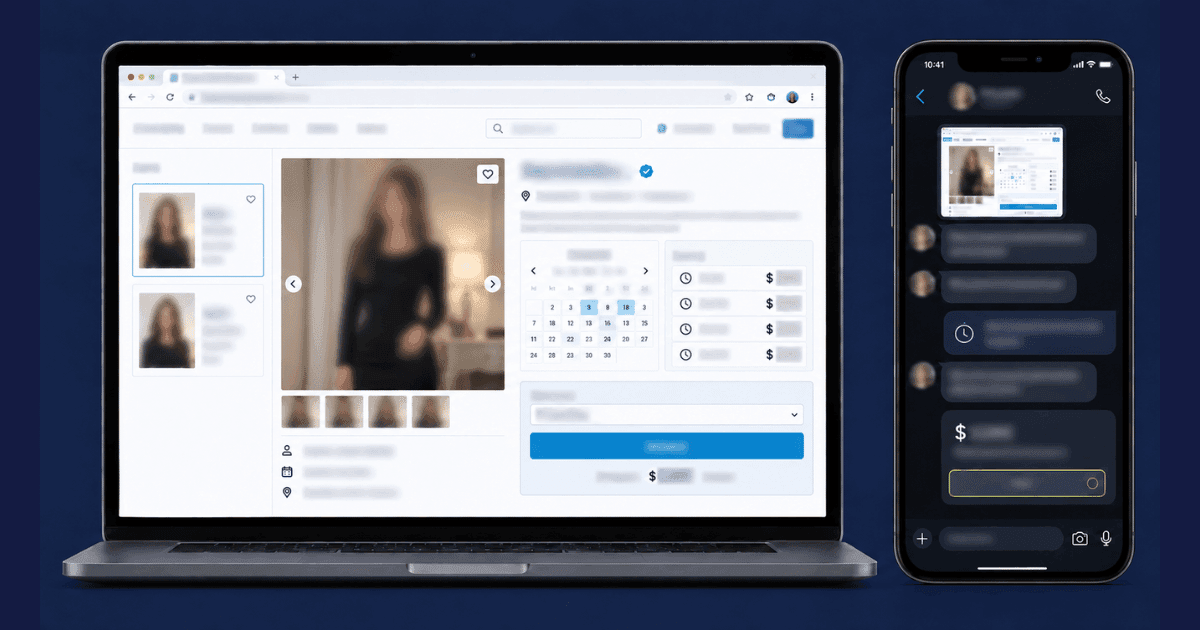
Escort extortion scams tend to follow a predictable script, and once you understand that script the warning signs become much easier to spot. A person arranges a meeting or a conversation through a listing, a social app, or a direct message, and the interaction feels normal at first. Then the tone shifts. Screenshots appear, a threat to contact your family or employer follows, and a demand for money lands soon after. The goal is to make you feel cornered and ashamed so you pay quickly and quietly. You do not have to accept that pressure, and understanding how these scams unfold is often enough to take away most of their power. This guide walks through how these setups work, the signals that should give you pause, and the calm, practical actions that put you back in control.
Understand How the Setup Usually Works
Most escort extortion schemes rely on manufactured urgency and manufactured shame rather than any real leverage. Knowing the common structure helps you recognize it early.
- The bait: A profile responds quickly, seems eager, and moves the conversation off the original platform to a personal number or messaging app.
- The hook: You are encouraged to share personal details, explicit images, or your real name and location before any meeting takes place.
- The turn: The friendly tone disappears. The person, or an accomplice posing as an angry partner, police officer, or parent, claims you have done something wrong.
- The squeeze: A payment demand arrives with a tight deadline, often through gift cards, cryptocurrency, or a fast transfer app that is hard to reverse.
Recognizing these four stages as a pattern, rather than a personal crisis, is the first step toward staying calm. The people running these schemes are often working from a template, sometimes across many targets at once, and the emotional intensity you feel is entirely by design. When you can name the stage you are in, the threat loses much of its power. A demand that felt overwhelming a moment ago becomes just another predictable move in a script you have already read.
Watch for the Common Warning Signs
Scammers repeat the same behaviors because they work on people who are caught off guard. Slow down when a new contact pushes hard to leave the original site and continue on a private channel, or when there is pressure to send photos, video, or identifying details early, before trust is established. Stories that do not add up, such as a sudden claim that someone is underage after the conversation began as adult, are another red flag, as is payment demanded in untraceable forms with an artificial deadline attached. If the person cannot verify basic details or refuses a simple voice or video check, treat that as a signal too; a genuine person rarely has a reason to avoid a quick, low-stakes verification.
If several of these appear together, treat the interaction as a likely scam and stop sharing anything further. If those warning signs develop into direct threats, the focus shifts to what to do if an escort is blackmailing you rather than trying to work out which red flag you missed. None of these signs on their own proves bad intent, but a cluster of them appearing in the same short window is rarely a coincidence, and trusting that instinct early costs you far less than ignoring it would.
Protect Your Discretion Before Anything Happens
The strongest protection is limiting what a stranger can ever use against you. A few habits make a meaningful difference.
Keep your identity compartmentalized
Use a separate email and a username that is not tied to your real name or main social accounts. Avoid linking phone numbers that connect back to work or family, and consider using a number that can be changed or discarded if the situation calls for it. Separating these details takes only a few minutes to set up, but it removes an entire category of information a scammer could otherwise use to identify or pressure you.
Be careful with images and video
Do not share explicit content or your face alongside identifying details. Once an image leaves your device, you no longer control where it goes, regardless of any promise the other person makes about deleting it afterward. Even a background detail, a distinctive item, or a partial view of a room can sometimes be enough to identify a location or a person, so it is worth thinking about what surrounds you in a frame, not just what is in it.
Review your public footprint
Search your own name and handles to see what a stranger could find. Reducing exposed personal information now removes the leverage a scammer would hope to use later, and it is far easier to do this cleanup before anyone is actively looking for it than after a threat has already begun. A quick search every few months is usually enough to catch anything new that has surfaced since the last time you checked.
These steps do not require paranoia. They simply keep an ordinary interaction from becoming a source of pressure. Think of them as the same everyday caution you already apply to your finances or your front door. A small amount of separation between your private life and a stranger you have just met is often the difference between a brief awkward exchange and a situation that lingers. If you build these habits before you ever need them, you will not have to scramble to protect yourself in a stressful moment.
Need Expert Help?
Our team has resolved thousands of cases. Get confidential support now.
Know What to Do If You Are Targeted
If escort extortion scams turn into direct payment demands, the most important thing is to avoid reacting the way the scammer expects. Paying almost never ends the pressure and often invites more. Do not pay, since a payment signals that you can be pushed and further demands usually follow, and stop engaging entirely: do not argue, plead, or negotiate, because every reply gives the scammer more material and more confidence. Preserve evidence by taking screenshots of the messages, profile, usernames, payment requests, and any wallet addresses or account details, and do not delete the account or thread yet, since you may need that record for reporting.
Taking a breath and following these steps in order removes the panic that the scam depends on. It can help to remember that a threat is only useful to a scammer while it feels immediate and private. The moment you slow down, document what is happening, and prepare to involve others, the leverage shifts back toward you, which is central to dealing with extortion in the first hour: patience over reaction. Most people who get through these situations calmly describe the same turning point, the moment they stopped treating the deadline as real and started treating it as a tactic. Once that shift happens, the rest of the process becomes far more about logistics than fear.
Report the Incident and Secure Your Accounts
Report the profile and messages to the platform where contact began, using its safety or abuse tools, and file a report with the relevant cybercrime authorities in your country. You can also review the Federal Trade Commission's scam guidance. Change passwords, enable two step verification, and tighten privacy settings on the accounts the scammer contacted, since they may still have information that could let them attempt contact again through a different channel. Keep your evidence in one folder so it is easy to reference later, whether that means a follow-up with the platform or a formal complaint down the line.
Understanding what information to gather is an important part of reporting extortion effectively, because the quality of the evidence often matters more than the specific form or platform you use. A report with clear dates, screenshots, and account details tends to move faster through review than a vague description of what happened, so the organizing work you do now pays off later even if the process itself feels slow in the moment. It is also worth reporting even if you are not confident anything will come of it immediately, since patterns across multiple reports are often what eventually lead to an account or a group being shut down for good.
Get Support and Move Forward
Escort extortion scams can happen to anyone, and asking for help afterward is not an admission of wrongdoing. The shame these schemes rely on fades quickly once someone else is in your corner. If threats continue, or if content has already been shared, a specialist team can review the situation, help with takedown efforts, and guide you through next steps in a discreet way.
Act calmly and reach out for help before making any payment. Preserve your evidence, protect your accounts, and let a specialist team guide you through resolving the situation with your privacy intact. None of this requires you to have every detail figured out before you reach out; even a rough timeline and a handful of screenshots is enough for a specialist to start assessing your case.
If the threats are active right now and you need to talk to someone immediately, getting help to stop blackmail early can make it easier to respond before the pressure escalates further. Reaching out sooner tends to make the whole process feel far less overwhelming than facing it alone.
About the Author
Altahonos Team
The Altahonos Team consists of cybersecurity and online reputation management specialists with extensive experience in digital threat mitigation and content removal strategies, helping individuals and businesses protect their digital presence.
Related Resources
Trusted by Thousands

Based on 478+ verified reviews