

How to Deal With Hinge Sextortion: Response Guide
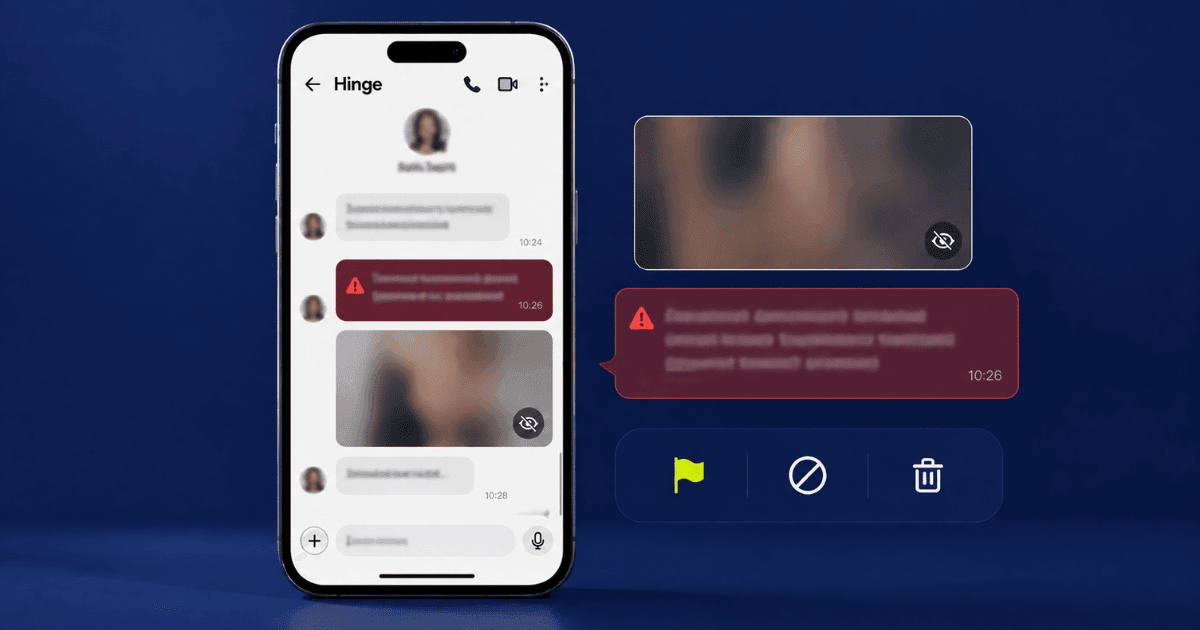
Knowing how to deal with Hinge sextortion starts with recognizing that these threats often exploit the trust created through a convincing dating profile and a personal conversation. Hinge presents itself as an app for meaningful connections, and its prompts encourage matches to share genuine details early. This can create the feeling that you have already vetted someone, even when the person’s identity has not been verified. A match may move the conversation to another platform, request intimate content, and then threaten to send it to your friends, relatives, or employer unless you pay. If a Hinge match has turned into a threat, do not panic or respond impulsively. This guide explains what to do in the first hour, how to preserve evidence and report the account, and how to respond if the content has already been shared.
Why Hinge Sextortion Develops Differently
Several features of Hinge can influence how sextortion develops and why a fraudulent match may initially appear trustworthy.
Conversations often begin with personal details. Hinge prompts encourage people to share opinions, experiences, and parts of their personality instead of relying only on brief introductions. This can create a sense of familiarity early in the conversation, before either person’s identity has been independently verified.
Moving to another platform may feel like natural progress. Because Hinge is designed to help people form relationships and arrange dates, a suggestion to continue on Instagram, WhatsApp, Snapchat, or another private messaging service may not immediately appear suspicious. Moving off Hinge, however, gives the other person access to communication channels with different privacy settings and reporting tools.
Profiles may reveal identifying information. A first name, photograph, workplace, university, or general location can sometimes be combined with information from social media or professional networks. An extortionist may use those details to identify relatives, friends, or colleagues and make the threat feel more credible. This does not necessarily mean that your accounts were hacked; the information may have been collected from publicly visible profiles.
The First Hour
The first hour should focus on reducing the person’s access to you while preserving the information needed for reporting. Work through the following steps before blocking the account or deleting any messages.
Stop Replying Completely
Do not send a final message, argue, refuse, or ask what the person wants. Further replies confirm that the threats are reaching you and may show which details create the most pressure. Preserve the conversation, but stop responding while you collect evidence and secure your accounts.
Do Not Pay
Payment does not guarantee that the content will be deleted or that the demands will stop. It may instead lead to additional requests through gift cards, cryptocurrency wallets, wire transfers, or payment apps. If you have already sent money, stop making further payments, save every transaction record, and contact the relevant bank or payment provider immediately. The available options for recovering money after sextortion depend on the payment method and whether the transaction has been completed.
Capture the Account Before It Disappears
The account may be renamed, deleted, or abandoned after the threats begin, so preserve the available information before reporting or blocking it.
- Screenshot the full Hinge profile, including photos, prompts, workplace, and education
- Capture the complete conversation with timestamps visible
- Save usernames and messages from any other platform where the conversation continued
- Record payment requests, wallet addresses, account details, and gift card information
- Note when the person suggested moving the conversation away from Hinge
Store the evidence in a secure folder that only you can access. Avoid forwarding intimate material unnecessarily; preserve the messages, profile information, URLs, and payment details needed for reporting. Following a clear process for collecting blackmail evidence can help keep the records organized and usable across platform and law-enforcement reports.
Restrict Access to the People They Named
Review the accounts the person mentioned or may have discovered through your Hinge profile. Set personal accounts to private, limit who can view follower or connection lists, remove public contact details, and restrict messages from unfamiliar accounts. If your workplace is visible on a professional network, review what strangers can see without signing in. These steps cannot remove information already collected, but they can limit additional access while you prepare reports.
Need Expert Help?
Our team has resolved thousands of cases. Get confidential support now.
Reporting the Account and Any Shared Content
Reporting should address both the account responsible for the threats and any content that has already been published. Preserve the relevant details first, then submit reports through the platform and the appropriate official channels.
Report the Account to Hinge
Submit the report from the match or conversation and identify the specific threats, payment demands, or references to sharing intimate content. Include the profile details and any evidence you preserved before blocking the account. Hinge’s Help Centre explains the available reporting and blocking options. Once the evidence has been saved and the report submitted, block the account to prevent further contact.
Report the Extortion to Law Enforcement
Make a report to the appropriate law-enforcement or cybercrime authority in your country. Provide the messages in date order and include usernames, profile screenshots, payment details, wallet addresses, and information from any other platform where the conversation continued. In the United States, reports can be submitted through the FBI’s Internet Crime Complaint Center. Keep the complaint or reference number with your other records.
If Content Has Already Been Shared
If the material has been posted, record the exact URL, account, platform, and date before requesting removal. Report each copy under the relevant category for non-consensual intimate imagery, privacy violations, or sexual exploitation. Because the content may appear on additional platforms or in search results, a leaked content removal service can help coordinate removal requests and monitor for reuploads beyond the original Hinge conversation.
Reducing What an Early Hinge Conversation Can Reveal
You do not have to stop using Hinge, but you can limit how easily an unfamiliar match connects your dating profile to your private or professional identity. Keep employer information general, avoid listing a precise workplace or neighbourhood, and review whether your education details make you easy to identify elsewhere. Use profile photos that do not also appear on public social media or professional accounts, since matching images can connect separate profiles.
Be cautious when a match quickly asks to move to Instagram, WhatsApp, Snapchat, or another private messaging service. Leaving Hinge may reveal additional usernames, contact details, follower lists, or personal connections. Understanding how dating app blackmail develops can help you recognize when an apparently genuine conversation is shifting toward personal pressure, intimate requests, or threats.
A short video call can provide more context, but it should not be treated as complete proof of identity because recorded or manipulated video may also be used. Avoid sharing intimate material or sensitive personal information during an early conversation, even if the other person sends something first. Genuine familiarity takes time, and a convincing Hinge profile does not independently verify who is operating the account.
Taking Action Against Hinge Sextortion
Dealing with Hinge sextortion starts with ending communication, refusing further payments, and preserving the profile and messages. Save screenshots, usernames, and payment details before reporting the account to Hinge. Secure any social or professional profiles the person identified, and document every location where intimate content has been shared.
The pressure may feel immediate, but you do not have to follow the other person’s deadline. Focus on the actions you can control and ask someone you trust for support if needed. If the threats continue or content has spread, professional help with Hinge blackmail can support the reporting, removal, and monitoring process.
About the Author
Altahonos Team
The Altahonos Team consists of cybersecurity and online reputation management specialists with extensive experience in digital threat mitigation and content removal strategies, helping individuals and businesses protect their digital presence.
Related Resources
Trusted by Thousands

Based on 488+ verified reviews