

How to Deal With a Romance Scam: Recognize, Report, Recover
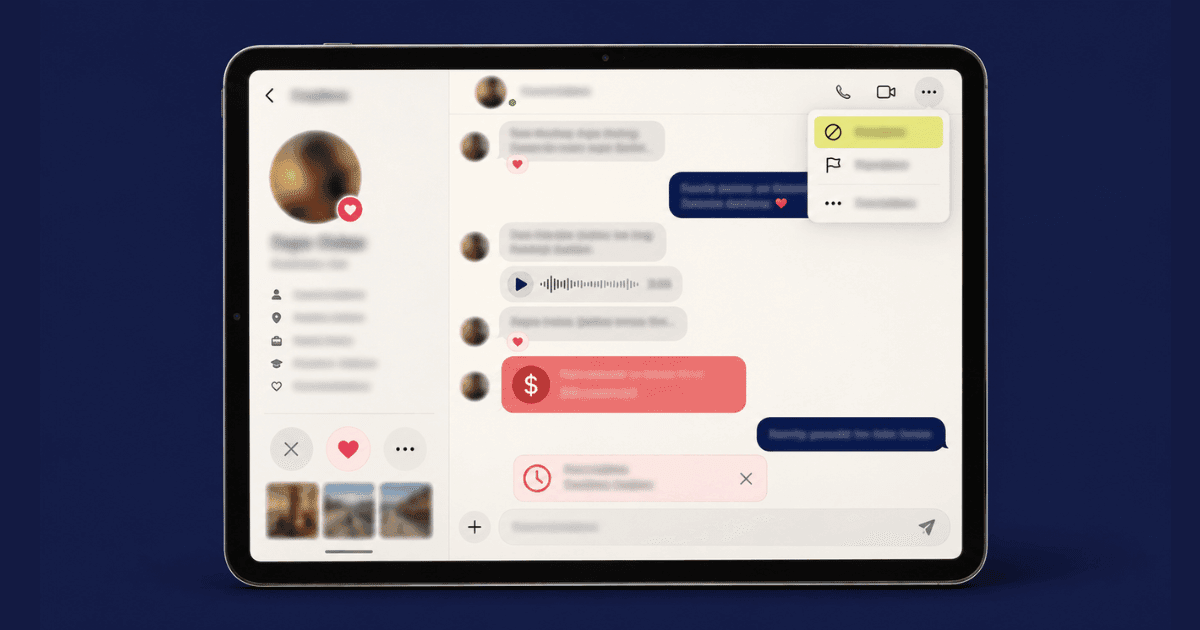
Discovering that a relationship you believed in was a romance scam is a painful, disorienting experience, and the first thing to know is that it was not your fault. These schemes are run by people who are skilled at building trust, mirroring your hopes, and slowly weaving a story that feels completely real. They target thoughtful, caring people precisely because those qualities make for a genuine connection. If you are reading this while still unsure, or while trying to make sense of what happened, you are already doing the right thing by stepping back and looking clearly. This guide walks through how to deal with a romance scam in practical steps, from recognizing it to reporting it and protecting yourself in the future.
Recognize the Signs of a Romance Scam
Romance scams share recognizable patterns, and naming them helps replace confusion with clarity. Look honestly at the relationship against these common signals.
- The person professed strong feelings unusually fast, often within days or weeks of first contact.
- They always had a reason to avoid meeting in person or joining a live video call.
- Their story included a distant job, travel, or a crisis that kept them far away, such as work on an oil rig or overseas deployment.
- Conversations eventually turned toward money, an emergency, an investment opportunity, or a shipment held at customs.
- Details shifted over time, or small facts did not quite add up when you looked back.
If several of these ring true, it is reasonable to conclude you were targeted. It is worth remembering that these operations are often run by organized groups working from scripts, not by a single person who simply changed their mind. That is why the story felt so consistent and the affection so convincing. Seeing the pattern for what it is can be jarring, but it also lifts a weight, because it moves the responsibility off your shoulders and onto the people who designed the deception. These same warning signs apply well beyond any single platform, since avoiding dating app scams generally comes down to recognizing this exact pattern wherever it shows up.
Stop Contact and Cut Off Payments
Once you recognize the scam, the most protective move is to end the connection cleanly and close off any path to your money.
- Stop responding to messages, calls, and emails, even if the person becomes emotional or apologetic.
- Do not send any more money, gift cards, or cryptocurrency, regardless of the reason given.
- Contact your bank or payment provider to report the transactions and ask about stopping or reversing any pending transfers.
- Block the accounts across every platform where the person contacted you.
Ending contact can feel surprisingly hard, because the emotional bond was real to you even if the person was not. Expect the scammer to escalate with pleas, promises, or guilt when the money stops. Their reaction is a script, not a relationship, and holding firm is how you take back control. If you find yourself tempted to reply just once more, it can help to tell a trusted friend or family member what is happening so someone else can steady you. Scammers count on isolation, and simply bringing another person into the loop makes it far harder for them to draw you back in.
Preserve the Evidence
Before you delete anything, gather a clear record of what happened. This documentation supports reporting and any effort to recover funds, and it can matter more than you expect if the case ever moves beyond a simple report.
Save the conversations
Take screenshots of messages, profiles, photos the person used, usernames, and email addresses. Note the platforms and the dates things occurred, since a clear timeline often carries as much weight as the messages themselves.
Record the financial trail
Collect receipts, bank statements, wallet addresses, and transaction references for every payment. A simple timeline of amounts and dates is especially useful, and having it ready before you contact your bank or file a report saves time later.
Keep it organized
Store everything in one folder so you can share it easily with your bank, the platform, or the authorities. Do not delete accounts or threads until you have copied what you need, since a deleted profile can make it much harder to prove what was said or shown.
If you are still not certain whether the person was who they claimed to be, take a step back and look at the evidence as a whole rather than any single detail; inconsistencies tend to become much clearer once everything is laid out together instead of scattered across different conversations and platforms.
Need Expert Help?
Our team has resolved thousands of cases. Get confidential support now.
Report the Scam
Reporting matters even if you feel embarrassed, because it creates a record and helps authorities track operations that harm many people. You are one of many, and your report can help others. Embarrassment is exactly what these schemes rely on to keep victims quiet, so choosing to speak up quietly undermines the whole model they depend on. You do not need to share more than you are comfortable with, and you can report through official channels without your story becoming public.
Report the profile and messages to the dating app or social platform where you met, and file a report with your local law enforcement and with national fraud authorities. In the United States, you can submit details to the FBI at ic3.gov. Notify your bank and any payment services involved too, since they may have their own fraud processes, and keep copies of every report and any reference numbers you receive.
Reporting is a practical step, not a judgment on you. How these cases are typically handled is largely what online dating scams support actually involves, more than any single report on its own. If the scammer has begun making threats or demanding payment to stay quiet, gathering the right information before you act is central to how you report extortion in situations like this.
Recover and Protect Yourself Going Forward
Recovery has two sides, emotional and practical, and both deserve attention. Give yourself permission to grieve the relationship you thought you had before rebuilding your defenses. Allow yourself to feel the loss without shame, and consider talking to a counselor or a trusted friend. Review your privacy settings and reduce the personal information visible on your public profiles, and be cautious with new online connections, especially anyone who moves quickly, avoids video, or steers toward money. Watch for follow up recovery scams too, where a stranger promises to retrieve your lost funds for a fee.
Rebuilding trust in yourself takes time, and being cautious going forward is wisdom rather than weakness. Many people who have been through this describe feeling more grounded on the other side, not because the experience was easy, but because they learned to trust their own judgment again. Give that process room, and lean on people who care about you while it unfolds. If images were shared or if any threats have entered the picture, specialist support through romance scam recovery is available, and reaching out early tends to make the path forward smoother.
Take the Next Step
If you have been caught in a romance scam, stop contact, protect your money, and preserve your evidence before reporting. None of these steps require you to have everything figured out at once; even one small action, like blocking an account or saving a screenshot, moves you forward and starts to shift the balance back in your favor. Then reach out to specialists who can help you stop romance and dating scams from causing further damage, so you can recover with your privacy and confidence intact and move forward on steadier ground.
The story that felt so real to you was carefully built by people who do this for a living, using techniques refined across hundreds or even thousands of targets before you. Recognizing that is the first real step toward trusting your own judgment again, and it is worth repeating as often as you need to hear it: the deception was theirs, not a failure of your ability to read people. Most people who go through this come out the other side more careful, not less capable of connection, and that distinction matters more than it might feel like right now.
About the Author
Altahonos Team
The Altahonos Team consists of cybersecurity and online reputation management specialists with extensive experience in digital threat mitigation and content removal strategies, helping individuals and businesses protect their digital presence.
Related Resources
Trusted by Thousands

Based on 478+ verified reviews