

How to Deal With Webcam Blackmail: Response Guide
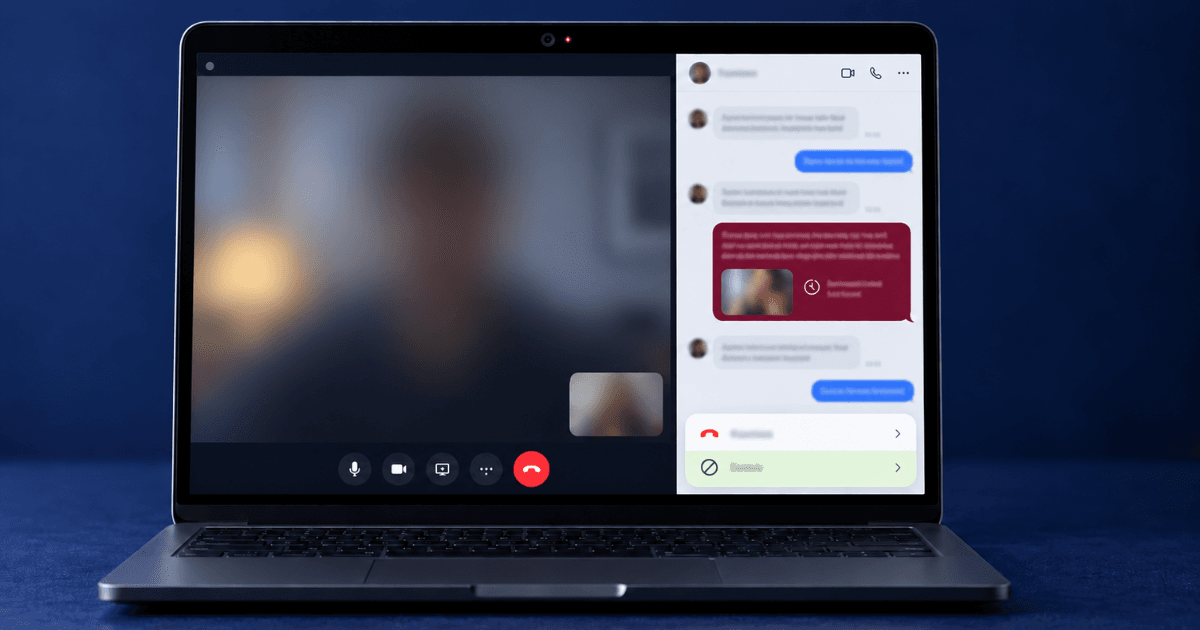
Webcam blackmail is the version of extortion that leaves people most convinced they have no options, because the material is video, it shows their face, and they remember agreeing to the call in the first place. Unlike a text-based threat that can feel abstract, this one comes with a face attached, which is exactly why it works so well on the people it targets. Knowing how to deal with webcam blackmail starts with separating two things that feel identical in the moment: what actually exists, and what the person on the other end only claims exists; the gap between those two is usually much larger than it feels while you're reading the threat. This guide covers what happens in the first hour after the threat arrives, how these operations are actually run behind the scenes, what to do about a recording that may genuinely have been made, where and how to report it, and why the leverage held against you is weaker than it feels right now.
What Is Actually Recorded
Two distinct situations get described using almost identical language, but they call for completely different responses. A recorded video call means you were on camera, the other person recorded it, and the recording genuinely exists on their end; this is by far the more common case, and it's the one this guide mostly addresses. Panicking and paying does the most damage here, because a single recorded call is far more contained than it feels in the first few minutes after the threat arrives.
A claimed recording from your device is different: an email says malware activated your webcam while you visited an adult site, and demands crypto payment. In the overwhelming majority of these cases, no recording exists and no malware was installed; the email was sent to thousands of addresses harvested from an old data breach, and any "proof" password quoted came from that same breach. If this is your situation, delete the message, change any account still using that password, and send nothing. The distinguishing feature between the two: a real recording is usually shown to you, at least in part, while a claimed one is only ever described.
How the Real Version Works
The operation is industrialised rather than personal. Contact comes through a dating app, a social platform, or a chat site, and the conversation moves toward a video call quickly, often within a single session, because the operation needs the recording before you lose interest. During the call, the other side frequently plays pre-recorded footage rather than appearing live, using poor connection quality to explain anything that seems off, while your side of the call is recorded in full, including your face.
Within minutes of ending the call, the threat arrives, usually accompanied by a screenshot of your social profile and a list of names taken from your visible friends list; the demand is specific, the deadline is short, and the payment method is untraceable. Nothing about this targets you personally: the same script is run against many people simultaneously, which is also why most threats are never actually carried out. Knowing how to avoid cam girl scammers can help you spot the warning signs before a call is even proposed, making it easier to step away before the situation escalates.
The First Hour: What to Do and What to Avoid
Stop Responding
No refusal, no negotiation, no explanation. A reply confirms the recording reached a real person who is frightened, which is the only thing the operation needs to keep going.
Do Not Pay
Payment moves you from target to customer. The pattern that follows is consistent: a second demand within days, then a third, while the recording remains exactly where it was. Gift cards and crypto are requested because they cannot be reversed.
Capture Everything Before Blocking
- Screenshot the profile: photos, username, bio, and any platform badge
- Screenshot the full conversation including timestamps
- Screenshot the threat itself, including any frames of the recording they sent
- Save the usernames on every platform they used
- Record wallet addresses, payment handles, or gift card codes
Store it outside the platform and outside your phone's photo library.
Cut Off the Audience
The threat's entire force is the ability to reach people who know you. Set social accounts to private, hide friend and follower lists, and restrict who can message you. Once your friends list is not publicly readable, the specific threat to send the video to named people usually cannot be carried out. This single step does more to reduce the real risk than anything else available in the first hour.
Need Expert Help?
Our team has resolved thousands of cases. Get confidential support now.
Reporting
Report the account on every platform where contact occurred, under threats or extortion rather than a general category, then block.
File with your national police service. These operations are frequently run from abroad and at volume, which makes cross border reporting genuinely useful: Europol and the UK National Crime Agency both coordinate on these cases, and individual reports are how repeat operations are connected across victims.
If the person targeted is under eighteen, this is a child exploitation matter and must be reported immediately through the dedicated channels, which are treated with far greater urgency.
If the Recording Is Released
Most recordings are never actually released; when one is, the response is containment rather than panic, and knowing exactly where you stand matters more than reacting to the worst version of the story in your head.
Check What's Actually Visible
Search your name, your usernames, and close variations across the platforms where it might plausibly surface, instead of assuming the worst based on the threat alone. Knowing your real position, rather than the worst-case version in your head, changes what needs to happen next; in many cases nothing is actually visible yet, which turns this from an emergency into something you can address calmly and in order.
Getting It Removed
Recordings typically surface first on video hosts, adult sites, or in direct messages to a handful of contacts. Removal has to run across the host platform, search engines, and any mirrors, and the recurring difficulty is re-uploads appearing on new hosts over the following weeks — exactly the kind of ongoing monitoring that's unrealistic to handle alone while also being the person in the video. In cases of webcam blackmail, professional support can help coordinate both the initial takedown and the monitoring needed for later re-uploads.
Why the Leverage Is Weaker Than It Feels
Releasing the recording destroys it for good, so an operation running at volume has no real reason to burn its only asset on someone who has stopped responding. The threat to send it to named people also depends entirely on those people being reachable, which a private account with a hidden friends list mostly removes within minutes. You are, in the end, one of many contacts made that same week by the same script; the messages only feel personal because your name and your friends' names were copied from a public profile in seconds. A related pattern is cam girl sextortion, where the call itself is part of the setup rather than simply an opportunistic recording.
Taking Action Now
If you're dealing with webcam blackmail over a recorded call, the order matters more than speed: stop replying entirely, capture the profile, the conversation, and the threat itself before you block, and make your social accounts private with your friends list hidden immediately. Those three steps alone remove most of the real leverage the other side has, regardless of what the message claims.
From there, report the account on every platform where contact happened, then file with your national police service, since these operations are frequently run from abroad and reports help connect them across victims. Webcam blackmail relies on the belief that you're alone with an urgent problem; you're not, and the problem is less urgent than the deadline suggests. Video call blackmail support is available if you want this handled for you.
About the Author
Altahonos Team
The Altahonos Team consists of cybersecurity and online reputation management specialists with extensive experience in digital threat mitigation and content removal strategies, helping individuals and businesses protect their digital presence.
Related Resources
Trusted by Thousands

Based on 488+ verified reviews