

How to Handle LinkedIn Blackmail and Protect Your Reputation
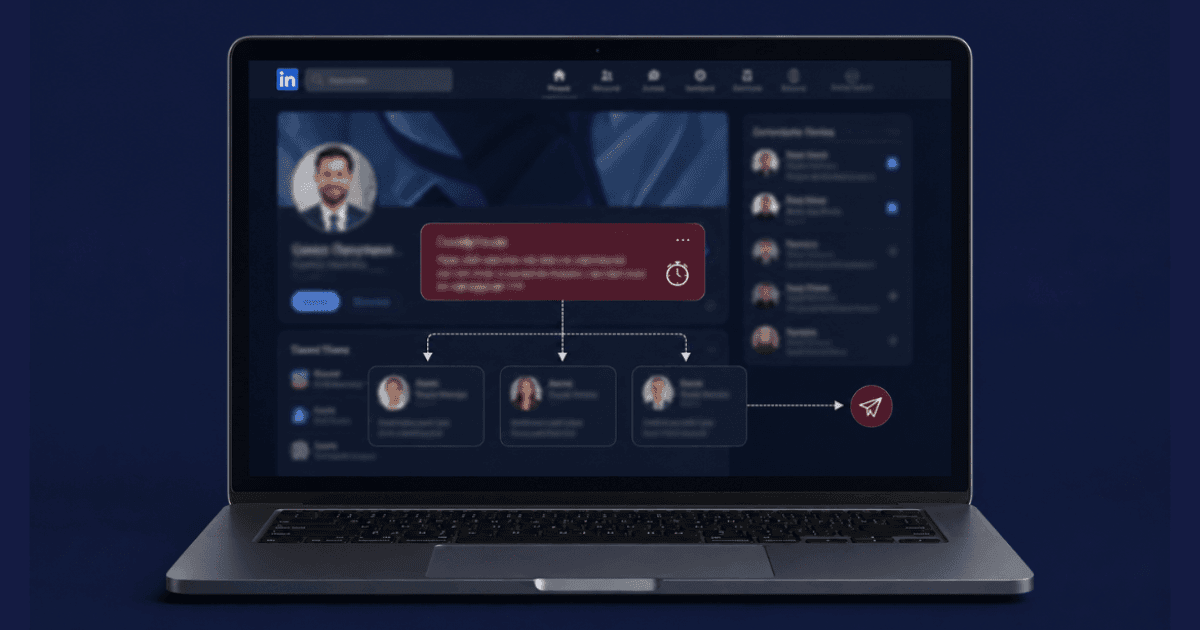
LinkedIn blackmail feels different from threats on other platforms because it is tied directly to your career, your colleagues, and your professional name. That is precisely why blackmailers have started using it. A threat that plays on your reputation, your job, or your standing among peers can feel uniquely alarming, and scammers count on that fear to rush you into paying. Whether the pressure came through a fake recruiter, a too friendly new connection, or a romance angle that turned into extortion, the situation is manageable once you slow down and follow a clear plan. This guide explains how LinkedIn blackmail typically works, how to protect your account, and the calm sequence of steps that puts you back in control. What happened does not define your professional reputation, and you do not have to face it alone.
Understand How LinkedIn Blackmail Works
LinkedIn blackmail usually arrives wearing a professional disguise, which is what makes it effective. Because people expect legitimate outreach here, they lower their guard and engage with messages they might ignore elsewhere. Recognizing the common angles helps you see a scam for what it is.
Typical scenarios include:
- A fake recruiter who dangles an opportunity, then asks for sensitive information or intimate contact
- A polished new connection who quickly moves the conversation to another app
- A romance approach that builds trust before turning to threats and demands
- Claims that someone will message your colleagues, manager, or entire network unless you pay
The common thread is leverage over your professional image. Once you understand that the threat is engineered to target your reputation specifically, you can respond with method instead of panic. This is also why these scams work on people who would never fall for a more obvious attempt elsewhere, since the professional context itself lowers natural suspicion. Building a strong, well managed presence also makes you a harder target over time, since a consistent, well documented history on the platform gives a blackmailer's claims far less room to sound credible. Broader LinkedIn scams tend to follow this same pattern of borrowing the platform's credibility to lower your guard, and knowing how to maintain a good digital reputation is largely about this kind of steady, ongoing upkeep rather than a one time fix.
Do Not Pay and Stop Responding
Knowing how to handle LinkedIn blackmail starts with understanding what not to do: the safest response is usually to stop engaging entirely. Paying a blackmailer rarely ends the pressure, because it confirms you can be moved by fear and typically invites further demands. Negotiating, explaining, or appealing to their decency simply provides the reaction they are working to produce.
Keep these guidelines in mind:
- Do not send money, gift cards, or cryptocurrency for any reason
- Do not agree to pay later to buy time, since it signals compliance
- Do not delete the messages, because you will need them as evidence
- Do not keep replying once you recognize what is happening
Going quiet is a deliberate move, not avoidance. It strips away the emotional leverage the scammer relies on, and the deadlines they set to rush you almost always pass without the exposure they threatened. Their claim to reach your whole network is usually far weaker than they want you to believe, and much of what they say about what they know or can do is bluff designed to sound convincing. Many of these scammers manage dozens of targets at the same time, so once your account stops producing a reaction, the effort of pursuing you rarely seems worth it to them.
Secure Your LinkedIn Account
Part of how to handle LinkedIn blackmail well is locking down your account early, since this threat centers on your professional identity. Tightening your security limits what a blackmailer can access and who they can reach through you, and it signals that you are actively responding rather than frozen by the situation.
Lock Down Access
Turn on two factor authentication in your LinkedIn security settings, change your password, and make sure your linked email account is secure too, since a compromised email often provides a backdoor into every other account tied to it. Review active sessions and sign out any devices you do not recognize, since a compromised session can undo everything else you do to protect yourself.
Limit What Others Can See
Check your privacy settings for who can see your connections and contact info, and be cautious about pending connection requests from unfamiliar accounts. These adjustments reduce the pathways a scammer could use to reach your colleagues or harvest more information about you. A well protected account also signals that you are not an easy target, which often discourages further attempts. If you manage a company page or have team members connected to you, it is worth reminding them to be cautious about unusual messages during this period as well.
Need Expert Help?
Our team has resolved thousands of cases. Get confidential support now.
Preserve Evidence and Report the Account
Before you block anyone, capture a full record of the interaction. Evidence is what allows LinkedIn and the authorities to act, and it is central to how to handle LinkedIn blackmail effectively with any professional support you bring in. Take screenshots of the entire conversation, including every threat and demand, along with the account's profile, name, headline, photo, and profile URL. Save usernames or numbers for any other app the scammer moved you to, and record any payment details they provided, such as wallet addresses or account names.
Once your record is secure, report the profile through LinkedIn using the report option on the account, which sends it to their safety team for review and possible removal. A clear, well organized file makes it far easier for anyone reviewing the case to understand what happened and act on it quickly, whether that reviewer is LinkedIn's safety team, a law enforcement officer, or a specialist handling LinkedIn blackmail on your behalf. Organizing this material before the memory fades or the account disappears is one of the most useful things you can do in the first hour.
Report to Authorities and Protect Your Reputation
Reporting LinkedIn blackmail is worthwhile even when your instinct is to keep it quiet, because blackmail is a crime regardless of how professional the context looks. LinkedIn's Help Center guidance on recognizing and reporting scams points victims toward local law enforcement and consumer protection agencies, in addition to the platform's own reporting tools. Bring the evidence folder you prepared so the report is complete, regardless of which channel you use.
Because your professional name is involved, it is also wise to think about your wider online presence. Search your own name to see what colleagues or employers might find, and note any accounts or posts that could be manipulated or misused. Consider proactive steps to protect your reputation by tightening privacy, securing vulnerable accounts, and reducing the amount of personal information that could be used against you. Ongoing online reputation management can then help you monitor what appears under your name and respond if harmful material surfaces.
Get Professional Help
Learning how to handle LinkedIn blackmail does not mean you have to manage it alone, technically or emotionally. Altahonos works with professionals facing LinkedIn blackmail, helping them preserve evidence, respond calmly, and protect both their accounts and their public reputation. Please note that Altahonos is not a law firm and does not provide legal advice, but the team can guide you through the practical process so you are not making high stakes decisions in isolation while anxious.
With a clear plan and steady support, the fear that a blackmailer manufactures begins to fade, and you can protect the professional name you have worked hard to build. Responding methodically rather than paying under pressure can also reduce the risk of further escalation and give you more control over what happens next. If someone is threatening your professional reputation right now, getting help to stop blackmail can make it easier to act calmly, protect your accounts, and take back control of the situation.
About the Author
Altahonos Team
The Altahonos Team consists of cybersecurity and online reputation management specialists with extensive experience in digital threat mitigation and content removal strategies, helping individuals and businesses protect their digital presence.
Related Resources
Trusted by Thousands

Based on 443+ verified reviews