

How to Spot Bumble Dating Scams: Red Flags and Response
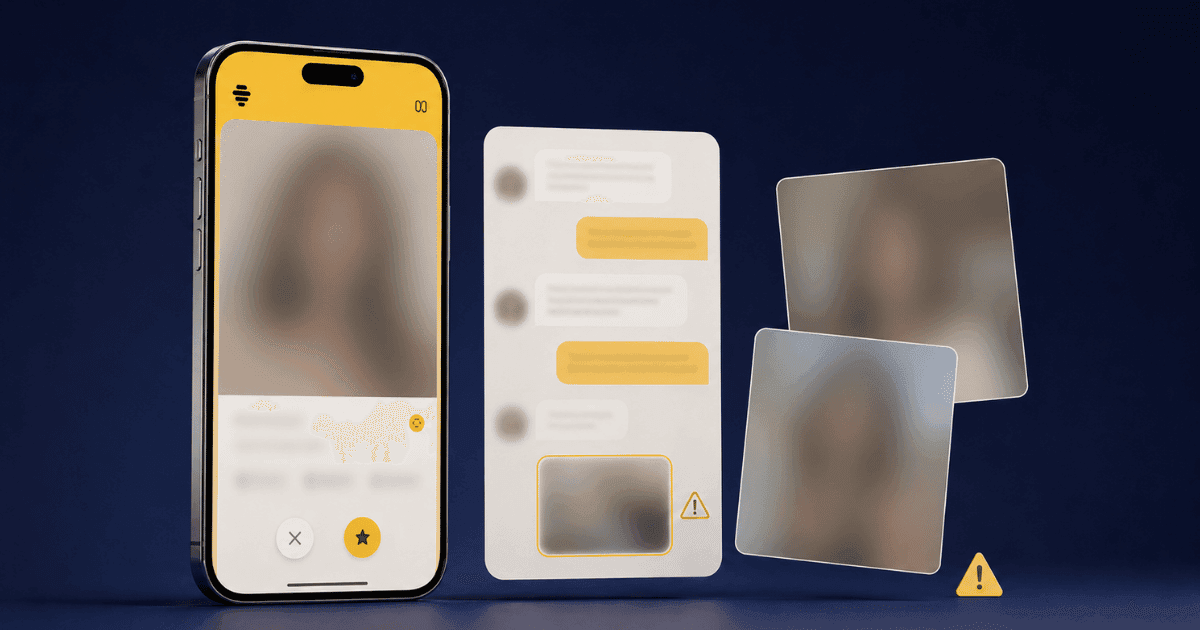
Avoiding Bumble dating scams starts with knowing what they look like before you're already invested. Bumble was built around the idea of safer, more intentional dating, but no platform is immune to people who create profiles for the wrong reasons. Scammers know that Bumble users are often looking for something genuine, and they use that sincerity against them. The good news is that almost every Bumble scam follows a predictable pattern, from the first overly polished message to the eventual request for money or private photos. Once you learn to recognize those patterns, you can enjoy the app while keeping your money, your privacy, and your peace of mind protected. This guide walks through the practical steps that help you spot trouble early and respond calmly if a match turns out to be someone you cannot trust.
Recognize the Most Common Red Flags
Most Bumble scams share a handful of warning signs that show up before any real harm is done. Learning to notice them gives you time to slow down and think clearly. Watch for a match who:
- Has only one or two photos that look like professional model shots or stock imagery.
- Claims to be working abroad, on a military deployment, or on an offshore project that conveniently prevents meeting in person.
- Professes strong feelings within days of matching, long before you have really talked.
- Steers the conversation toward your job, income, or financial situation.
- Gives vague or inconsistent answers when you ask simple follow-up questions.
None of these signs alone proves someone is a scammer, but two or three together should prompt caution. Genuine people are usually happy to answer ordinary questions and rarely rush emotional intimacy with a stranger. If you want to see how these patterns show up in real reports, Bumble's own safety resources cover many of the same warning signs in more detail.
Trust the Pace, Not the Compliments
Scammers rely on flattery to lower your guard. A steady, unhurried conversation is a much better sign than an avalanche of affection. If someone seems to be reading from a script, they probably are. Real connections tend to build through small, specific details about daily life, shared interests, and ordinary plans. When every message feels grand and urgent, treat that intensity as information rather than romance, and give yourself permission to keep asking questions until the picture makes sense.
Verify That Your Match Is Real
Before you invest time or feelings, take a few minutes to confirm the person is who they claim to be. Verification does not have to feel confrontational. Do a reverse image search on their profile photos to see whether the pictures appear elsewhere under different names, and ask for a quick, spontaneous video call, since scammers usually avoid live video or offer endless excuses. Look for consistency between what they tell you and the small details in their profile, and check whether their social media presence, if any, looks lived in rather than freshly created.
If a match refuses every reasonable attempt to verify who they are, treat that refusal as an answer in itself. Verification techniques like these apply across nearly every platform, not just Bumble, since avoiding dating app scams generally comes down to the same handful of checks regardless of where you met.
Be Cautious About Moving Off the Platform
One of the clearest signals of a scam is pressure to leave Bumble quickly. Scammers want to move you to WhatsApp, Telegram, or personal email because those channels are harder to report and easier to control, and once you're there, Bumble has no visibility into what happens next. This shift often comes wrapped in a reasonable-sounding excuse, like wanting to talk more freely or finding the app's messaging clunky, which makes the request feel harmless even when the real motive is to operate somewhere with fewer safeguards.
There is nothing wrong with switching apps once you genuinely trust someone, but the timing matters. Be wary if a match asks for your phone number or another messaging app within the first few messages, says the Bumble app is glitchy and insists on a different platform right away, or grows impatient or guilt trips you when you prefer to keep chatting on Bumble. None of these requests are automatically a red flag on their own, but a rushed version of any of them, especially before you've had more than a few real exchanges, is worth noticing. Keeping early conversations inside the app protects you: it preserves a record you can report, and it keeps a stranger from collecting your personal contact details before you are ready to share them.
Need Expert Help?
Our team has resolved thousands of cases. Get confidential support now.
Guard Against Money and Sextortion Escalation
The most damaging Bumble scams tend to escalate in one of two directions: a request for money or an attempt to obtain intimate images. Both follow a slow build of trust before the ask arrives.
Financial Requests
Never send money, gift cards, or cryptocurrency to someone you have only met online, no matter how convincing their emergency sounds. Common stories involve medical bills, travel costs to finally meet you, or a can't-miss investment opportunity. If romance and money start mixing, step back.
Intimate Image Requests
Some scammers work to coax you into sharing explicit photos or video, then threaten to expose that material unless you pay. This tactic is a form of sextortion, and it can feel overwhelming, especially because the shame and fear it triggers are exactly what the scammer is counting on to keep you quiet and compliant. Protect yourself by never sharing intimate content with someone you have not met and truly trust, no matter how genuine the connection feels or how long you have been talking. If a conversation starts pushing toward explicit images unusually fast, treat that push itself as the warning sign, not just what comes after it.
Know What to Do If You Are Targeted
Even careful people can be caught off guard, and being targeted is never your fault. If a match turns threatening or you realize you have been deceived, act calmly and deliberately.
- Stop all payments immediately and do not send anything more, even if threats intensify.
- Avoid deleting the conversation. Instead, capture screenshots of messages, profiles, and any threats.
- Block and report the account through Bumble so the platform can review it.
- Tighten your privacy settings and review who can see your other social accounts.
- Reach out for specialist support if intimate images or blackmail are involved.
Reporting matters too, both to the platform and, where appropriate, to the authorities in your area. A clear record of what happened helps others avoid the same account and strengthens any action taken later. Before reporting a dating scammer, preserve the messages, profile details, payment records, and any other evidence connected to the account.
If someone is threatening to share private material, professional help can make a real difference in containing the situation and having content removed. With Bumble blackmail, specialist support can help address ongoing threats, coordinate content removal, and protect your privacy while the situation is being resolved.
Get Support When You Need It
Avoiding Bumble dating scams comes down to a few consistent habits: slowing down, verifying who you are talking to, and refusing to be rushed into money or intimate photos. If a match has already crossed a line, remember that quick, calm action protects you far more than silence does. Save your evidence, stop engaging with the person, and reach out to a specialist team who can help you resolve the situation and keep your private life private.
Dating should feel hopeful, not risky, and a few simple habits let you stay open to real connections while closing the door on the people who would take advantage of them. Recognizing the pattern early is often the biggest difference between a close call and a real problem, since most scams rely on you not noticing until it's too late to easily walk away. If you are dealing with threats right now, do not wait for them to escalate; specialist teams who handle online dating scams every day can help you take back control before things get worse.
About the Author
Altahonos Team
The Altahonos Team consists of cybersecurity and online reputation management specialists with extensive experience in digital threat mitigation and content removal strategies, helping individuals and businesses protect their digital presence.
Related Resources
Trusted by Thousands

Based on 315+ verified reviews