
Blackmail on Dating Apps: The Warning Signs and What to Do
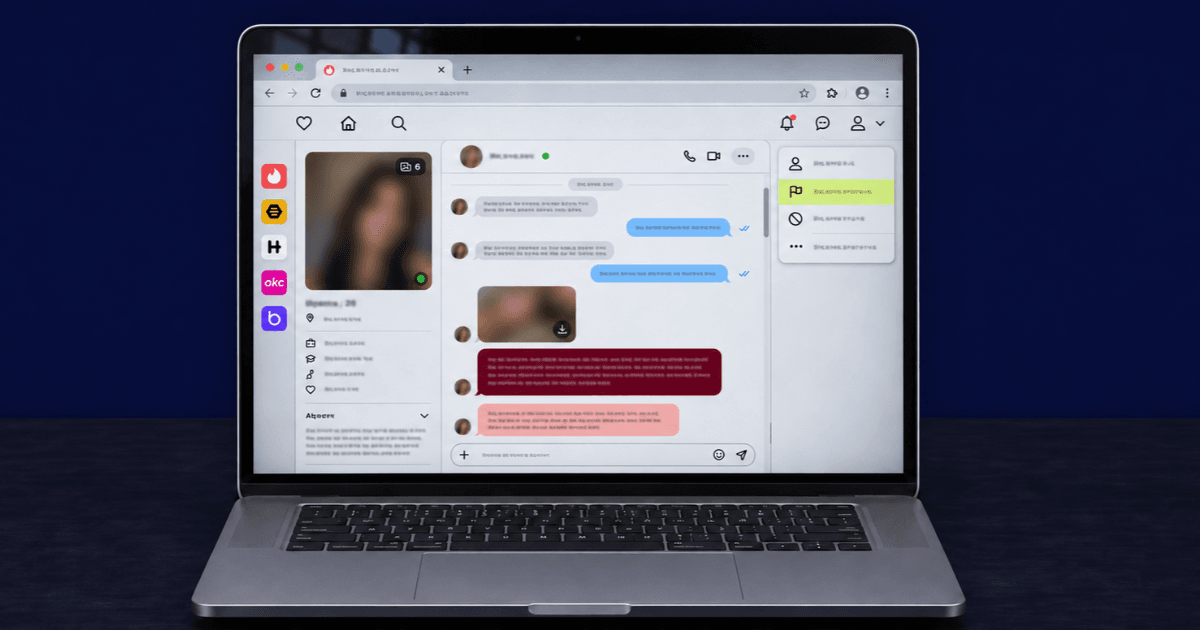
Being blackmailed on dating apps often follows a similar pattern, regardless of which platform is involved. A new profile appears, the conversation accelerates, intimacy is requested before genuine trust has developed, and once a private image is shared, the account's behaviour changes. The handles and details differ, but the underlying tactics are often the same. Recognising these patterns is useful because you do not have to work out your response from scratch. Whether the threat starts on Tinder, Bumble, Hinge, or another dating app, understanding how the scam develops can help you identify warning signs earlier. The same basic steps can help you respond to threats, protect your privacy, preserve evidence, and decide what to do next.
How Dating App Blackmail Typically Unfolds
Dating app blackmail does not always follow the same sequence, but certain warning signs can help you recognise manipulation before private images or personal information are used against you.
A Profile That Looks Too Perfect
Every photo is well lit and posed; there are no casual pictures, and the written details are generic or unusually polished. These details do not prove a profile is fake, but may warrant a closer look alongside other suspicious behaviour. A reverse image search can reveal photos used on other accounts, though finding nothing does not confirm authenticity. Understanding how to spot a catfish on dating apps can help you assess these signs alongside other profile inconsistencies.
Pressure to Leave the App
The person quickly asks to move the conversation to WhatsApp, Telegram, or another messaging service. Dating platforms generally provide reporting tools, while moving elsewhere can make the original interaction harder to document or report. The explanation may sound ordinary: they rarely check the app, prefer voice notes, or find another service more convenient. Moving off-platform is not proof of a scam, but pressure to do so deserves attention.
Affection Arriving Faster Than Information
Compliments about your character before you have shared much about yourself. Talk of a strong connection within a day. Pet names in the first few exchanges. These behaviours are not automatically deceptive, but rapid intimacy combined with requests for private images or personal information can indicate manipulation.
A Video Call That Never Happens
You suggest a video call, but the other person repeatedly avoids it with plausible explanations. Even when a call takes place, it does not guarantee that the person is trustworthy. Pre-recorded or manipulated video can also be used to create a misleading impression of authenticity.
Then the Image, and the Threat
After receiving a private image, the person's tone may change abruptly. They demand money or additional content and threaten to share the image with your friends, family, or colleagues. Some include names or screenshots of social media contacts to make the threat more convincing. People facing blackmail on Tinder, for example, may encounter similar threats. The aim is to create pressure before you can assess what they actually have access to.
Recognising these behaviours early is an important part of learning how to avoid dating app scams. No single warning sign confirms a scam, but several appearing together should make you more cautious about sharing personal information or intimate content.
What to Do in the First Hour
When someone threatens to share your private images, the first priority is to avoid making decisions under pressure. You do not need to respond within the deadline they set.
Stop Responding and Do Not Pay
Avoid negotiating, sending additional images, or paying the demanded amount. Payment does not guarantee that the images will be deleted or the threats will stop. It may also lead to further demands. Once you have preserved the necessary evidence, stop engaging with the person.
Limit Access to Your Social Media Contacts
Set your social media accounts to private, review who can see your followers and friends, and remove publicly visible personal details where possible. Blackmailers may use this information to identify people close to you and make their threats more convincing. These changes can restrict access to additional information, but they cannot remove contact details or screenshots the person has already saved.
Preserve the Conversation and Account Details
Save the dating profile, username, profile URL where available, full conversation, and any threats or payment instructions. Keep timestamps visible and preserve original messages rather than relying only on cropped screenshots. If Hinge blackmail begins on the app but the conversation later moves to WhatsApp, Telegram, or another service, document the original Hinge profile as well.
Report the Account Before Blocking
Use the dating app's reporting tools to flag the profile for blackmail, threats, or sexual exploitation, depending on the available categories. If you are dealing with Bumble blackmail, report the profile even if the conversation has moved elsewhere. Report threats on other platforms involved. After saving evidence and submitting reports, block the accounts to prevent further contact. Platforms may restrict or remove reported accounts, but enforcement is not guaranteed.
You can also report the incident to the appropriate law enforcement authority. For information about reported scams and emerging fraud patterns, the Better Business Bureau Scam Tracker can be a useful resource, although it is not a substitute for reporting a crime.
Why the Threat Sounds So Specific
A blackmailer may mention your sister, manager, or teammate by name, making it seem as though they have access to your phone or private accounts. In many cases, however, these details can be gathered from publicly visible follower lists, tagged photos, employment information, or connected social media profiles. Specific names alone do not prove that your accounts have been compromised.
If the person shares screenshots of your contacts or claims to have accessed your accounts, examine what the evidence actually shows without engaging with them further. Change your passwords if you suspect unauthorized access, enable two-factor authentication, and review active login sessions. Restricting public profile information can make it harder for someone to gather additional details, although it cannot erase information they have already collected.
Need Expert Help?
Our team has resolved thousands of cases. Get confidential support now.
If Something Has Already Been Shared
If your private images or videos have been shared without your consent, removal and reporting should happen in parallel. Document the exact URLs, relevant accounts, and dated screenshots before reporting each copy through the platform's non-consensual intimate imagery process. If the content appears on multiple sites, document each location separately and monitor for reuploads. Removing one copy does not automatically remove others, and review times can vary.
Tools such as StopNCII.org can help limit the spread of intimate images or videos created when you were 18 or older, while NCMEC's Take It Down is available for images taken before you turned 18. Both use digital fingerprints rather than uploading the original files, but neither guarantees removal across the internet. Do not download or share explicit images of minors to submit a report. You can also report the threats to law enforcement in your country or, where applicable, the FBI Internet Crime Complaint Center (IC3).
Reducing the Next Attempt
Keep dating profiles free of details that make it easy to identify your personal life, particularly your employer, neighbourhood, and usernames on other platforms. These details can help someone connect your dating profile to your social media accounts and identify people close to you. Be cautious when a new match asks for private images or tries to move the conversation to another service before trust has developed.
Keeping conversations on the dating app initially can make suspicious behaviour easier to report, but staying on the platform does not guarantee safety. A video call may help you assess who you are speaking with, although it cannot confirm someone's intentions. Assume that anything you send, including disappearing messages and images, could be captured or saved without your knowledge.
Taking Action Against Dating App Blackmail
Being blackmailed on dating apps can feel overwhelming, especially when someone threatens to share private images with people you know. You do not have to follow their demands. Preserving evidence, reporting the account, and limiting access to your personal information can help you regain control.
If the threats continue or your images have been shared, you can seek support with dating app blackmail through Altahonos. The team can help you explore reporting, content removal, and monitoring options. While no service can guarantee complete removal or an end to the threats, support is available. Altahonos is not a law firm, and this information does not constitute legal advice.
About the Author
Altahonos Team
The Altahonos Team consists of cybersecurity and online reputation management specialists with extensive experience in digital threat mitigation and content removal strategies, helping individuals and businesses protect their digital presence.
Related Resources
Trusted by Thousands

Based on 620+ verified reviews